Fashion's Scorching Reality: How Extreme Heat is Reshaping Couture

Fashion's Scorching Reality: How Extreme Heat is Reshaping Couture
Record-breaking heat waves in Italy and France forced 'change in plans' for fashion's key events. Discover how the industry is adapting its designs, schedules, and materials for a climate-challenged future. The heat is o
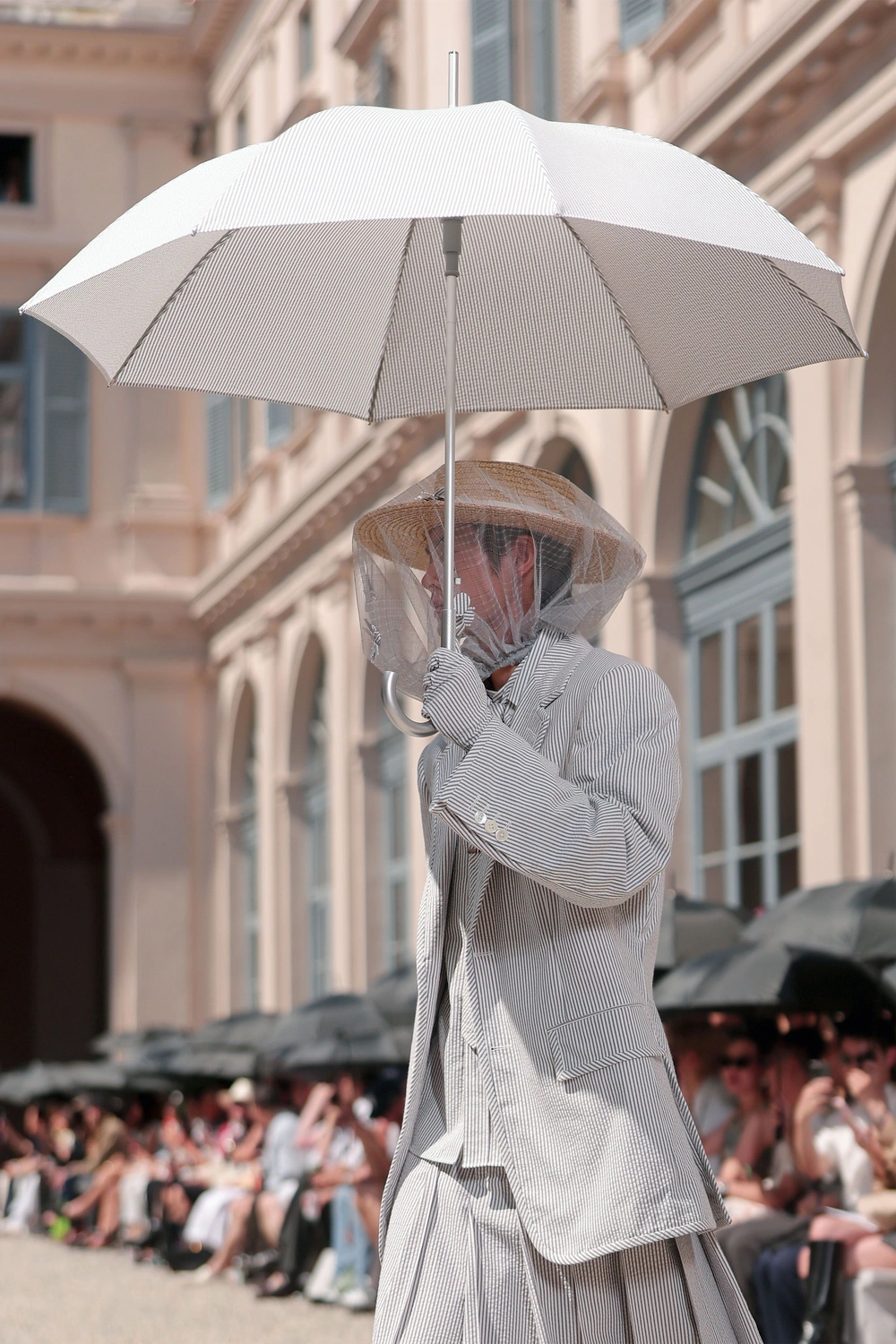
The conversation within our industry is buzzing, and for good reason: Can Fashion Handle the Heat? This isn't just a rhetorical question posed by publications like Vogue US; it's a stark reality we faced head-on during recent "key event moments" in Italy and France. "Record-breaking heat waves" swept through, forcing "change in plans" that rippled across show schedules and presentations. It's clear: the climate isn't just changing around us; it's actively reshaping the very fabric of Fashion Month, with the upcoming June 23, 2026 events already a topic of serious strategic discussion.
Think about it. Our carefully curated collections, often designed months in advance, suddenly feel out of step when temperatures soar. Outdoor runways become impossible, guests are uncomfortable, and even the delicate integrity of certain garments is at risk. This isn't about minor adjustments anymore; it's about a fundamental reevaluation of how we operate, from concept to runway.
Material Matters: Designing for a Hotter World
One immediate area of focus is materials. The pursuit of lightweight, breathable, and sustainably sourced fabrics isn't just an ethical choice; it's becoming a functional imperative. We're seeing greater innovation in linen blends, organic cottons, and Tencel, alongside technological textiles designed to regulate body temperature. Designers are exploring how to maintain the luxurious feel of couture while prioritizing comfort and climate resilience. The days of heavy, multi-layered ensembles dominating summer collections might be numbered.
Reshaping the Runway Calendar
Beyond the garments themselves, the logistics of Fashion Month June 23, 2026 and beyond demand radical thinking. We've witnessed firsthand how unpredictable weather can disrupt everything. Shifting show times to cooler parts of the day, moving presentations indoors, or even exploring entirely new formats that are less weather-dependent are no longer suggestions – they're necessities. There's a growing discussion about whether the traditional calendar needs a complete overhaul, moving certain seasonal showcases to different months entirely to avoid peak heat.
The Rise of Seasonless Style
This challenge also pushes us to reconsider design philosophy. The concept of 'seasonless' collections, once a niche idea, is gaining serious traction. Why invest in pieces that are only wearable for a few weeks a year when global weather patterns are so volatile? We're seeing designers lean into versatility, creating garments that can be layered or unlayered, adapted for various climates, and offer a longer lifespan. It's about designing for longevity and practicality without sacrificing an ounce of artistic vision. Functionality is no longer a dirty word in high fashion; it's a badge of honor.
Ultimately, the question Can Fashion Handle the Heat? isn't just about survival; it's about leadership. Our industry, often seen as a bellwether of culture, has a powerful platform. By openly confronting the impacts of climate change on our own operations, and by championing sustainable practices and climate-conscious design, we can inspire change far beyond the runway. The extreme weather events in Italy and France served as a powerful, undeniable wake-up call. The next Fashion Month, especially on June 23, 2026, will be a testament to our adaptability, our innovation, and our commitment to a more resilient, responsible future. The heat is on, and fashion is learning to adapt, one stitch, one fabric, one show at a time.
#ClimateChangeFashion #SustainableCouture #FashionAdaptation #FashionMonth2026
