Namo Cities & Metro Corridors: NCR's Bold Plan for a Future-Ready Urban Landscape!

Namo Cities & Metro Corridors: NCR's Bold Plan for a Future-Ready Urban Landscape!
Delhi-NCR's ambitious 2041 plan unveiled! Four new 'Namo Cities' and a ₹5,000 crore incentive aim to transform the region with transit-oriented hubs and tackle pollution. Discover the future of urban living!
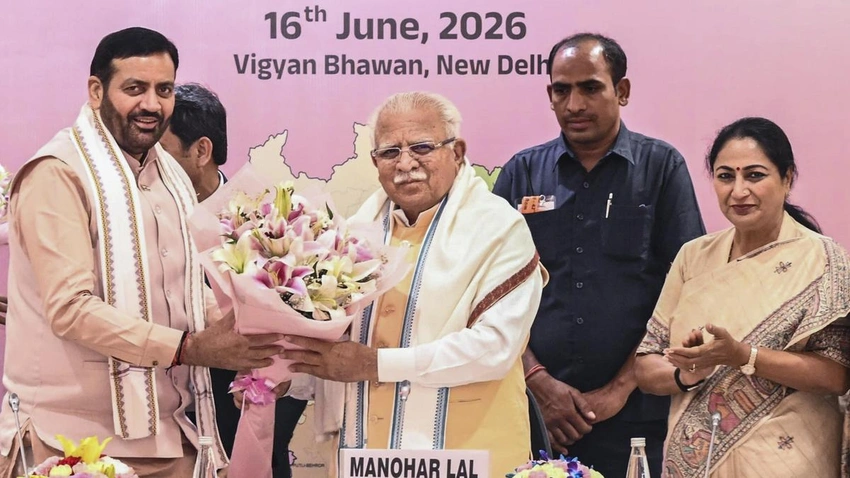
The National Capital Region (NCR) is set for a monumental transformation with the unveiling of the ambitious 'NCR Regional Plan 2041'. This forward-thinking blueprint includes the development of four brand-new 'Namo Cities', designed to redefine urban living and manage the region's rapid growth. Union Minister of Housing and Urban Affairs, Manohar Lal, announced the details after chairing the 42nd board meeting of the NCR Planning Board. The meeting saw participation from key leaders, including Delhi Chief Minister Rekha Gupta and Haryana CM Nayab Singh Saini, alongside Urban Development Ministers from Uttar Pradesh and Rajasthan.
These four 'Namo Cities' will be strategically developed as mixed-use, transit-oriented projects. Each city will be established around existing and proposed Namo Bharat Regional Rapid Transit System (RRTS) stations, fostering seamless connectivity and sustainable living. The plan earmarks one 'Namo City' each for Delhi, Haryana, Uttar Pradesh, and Rajasthan. To kickstart this monumental initiative, the NCR Planning Board will provide a robust performance-linked incentive package of ₹5,000 crore, comprising grants, loans, and guarantees. States are invited to propose three sub-cities from which the final four will be selected through a competitive process. The ultimate goal is to accommodate the region's burgeoning population and alleviate the increasing pressure on Delhi.
Beyond new urban centers, the 2041 plan also addresses critical environmental concerns. Under proposed anti-pollution steps, the NCR will be segmented into three distinct zones. Delhi and the adjacent 'Central NCR' will fall into the innermost zone, facing the most stringent pollution-related restrictions, while districts further afield will be exempt.
To further decentralize development and reduce migration towards the national capital, nine 'counter-magnet areas' have been identified. These include Hisar, Ambala, Kota, Jaipur, Patiala-Rajpura, Kanpur-Lucknow, Bareilly, Gwalior, and Dehradun. The comprehensive plan, initially placed in the public domain in 2021 and updated with state feedback in January this year, represents a visionary step towards creating a balanced, sustainable, and future-ready urban landscape for millions.
