Tragic End for Professor Jason Arday Amidst “Life-Lie” Revelations
Tragic End for Professor Jason Arday Amidst “Life-Lie” Revelations
Former Cambridge professor Jason Arday's death sparks debate after 'life-lie' allegations surfaced. Explore the tragic story and the unsettling questions it raises about truth, delusion, and public scrutiny.
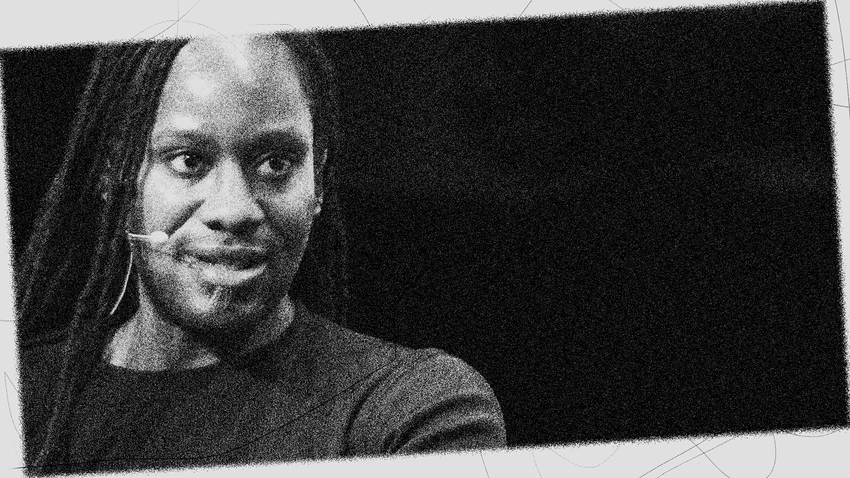
The academic world is grappling with the tragic death of former Cambridge professor Jason Arday, who passed away at the age of 41. British police have classified his death as “unexpected but not suspicious,” a phrase that, coupled with reports of his delicate emotional state, has led many to believe he took his own life.
This comes after weeks of escalating revelations that Arday had allegedly fabricated aspects of his professional and personal life for career advancement. The situation draws a chilling parallel to Henrik Ibsen's play, “The Wild Duck,” where a character, Dr. Relling, prescribes “livsløgn”, a “life-lie”, as a psychological balm.
This grandiose self-delusion allows fragile individuals to believe they are geniuses, shielding them from overwhelming self-contempt and despair.
In Ibsen's play, when another character exposes these lies, the story culminates in a suicide.
Arday's final public statement, an interview with The Times of London where he firmly denied being a liar, has been grimly interpreted by some as a classic sign of a “livsløgn overdose.” Unlike figures such as George Santos, who might offer a defiant shrug when caught in a lie, Arday's response suggested a desperate commitment to his narrative. It appears he felt compelled to stick with his story, leading to what many now term a “narcissistic collapse.” This occurs when the elaborate web of lies no longer convinces others and, crucially, ceases to convince the liar himself.
For Arday, it tragically seemed to leave suicide as the perceived last option. The events surrounding Arday's death have ignited a fierce debate.
Some argue that he was the victim, and those who relentlessly exposed his fabrications are the villains.
They question the ferocity of public scrutiny and the role it played in his demise, suggesting that the penalty for embellishment, no matter how extensive, should not be death. Others contend that accountability is paramount, especially in academia, where integrity is foundational. This heartbreaking episode forces us to confront complex questions about truth, deception, and the fine line between personal delusion and public accountability.
It serves as a stark reminder of the profound impact that societal pressure and the unraveling of one's constructed reality can have on an individual, leaving a legacy far more intricate and painful than any lie he may have told. #JasonArday #LifeLie #AcademicScandal
