Doomscrolling: How Tech Companies Compete For Your Focus

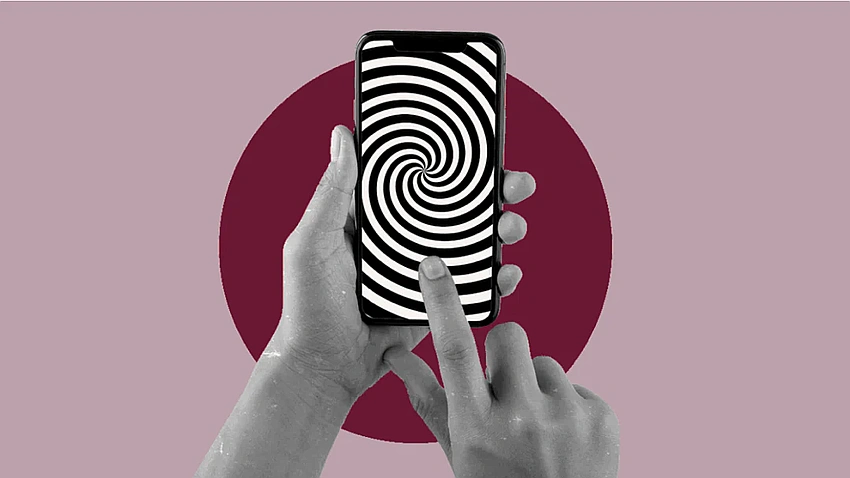
Doomscrolling: How Tech Companies Compete For Your Focus
Doomscrolling: How Tech Companies Compete For Your Focus
How every ping, autoplay reel, and endless scroll turns your attention into a product for platforms like Instagram, YouTube, and TikTok—and why real focus feels scarce.
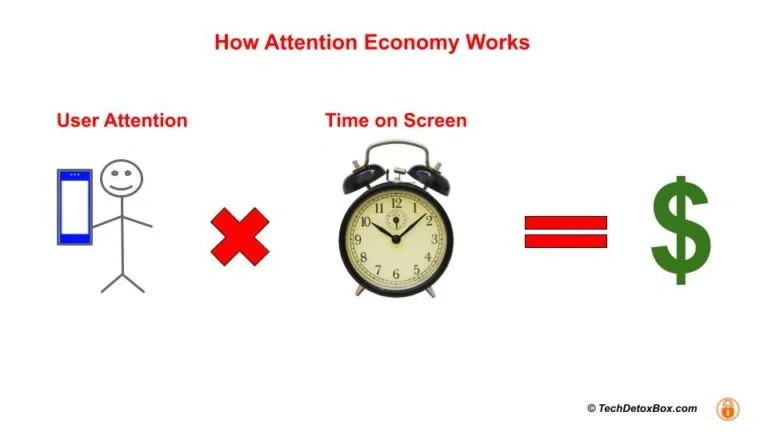
In the digital world, attention is no longer just a human faculty; it is a commodity. Tech companies thrive on our glances, clicks, pauses, and scrolls. The more we linger, the more valuable we become. Platforms like Instagram, YouTube, and TikTok are not free services but intricate marketplaces where our attention is the product being sold to advertisers. Every notification ping, autoplay reel, and push alert is a subtle negotiation for our focus.
The concept of the “attention economy” refers to the ways digital platforms design systems to capture and monetise our attention. As Nobel laureate Herbert A. Simon once observed, “...a wealth of information creates a poverty of attention.” In a landscape flooded with content, the scarcest resource is no longer data but the ability to focus.
The Design of Distraction
When you open your phone, you are not simply choosing between apps. You are entering a behavioural casino. Infinite scrolls, variable rewards, and algorithmic recommendations work together to trigger dopamine responses similar to gambling. Each refresh offers a new possibility of something delightful or shocking alike, a message, a meme, keeping you tethered to the feed.
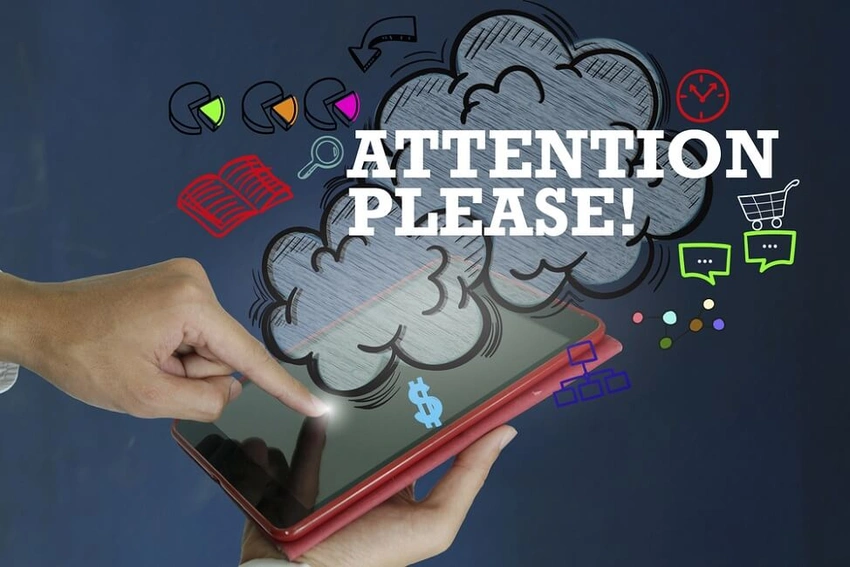
This design isn’t accidental. Features like “pull to refresh” mimic the mechanics of slot machines. The unpredictability is what hooks you. As former Google design ethicist Tristan Harris notes, these platforms are “shaping the thoughts of two billion people every day.” By engineering small moments of engagement, they extend screen time, which directly translates to advertising revenue.
Algorithms That Know You Better Than You Do
The algorithms that curate our feeds are not neutral curators; they are profit-driven puppeteers. They learn our preferences through watch time, pauses, and likes, tailoring an endless stream of content to keep us scrolling. The more time we spend, the more data they collect, and the better they become at predicting what we will do next.
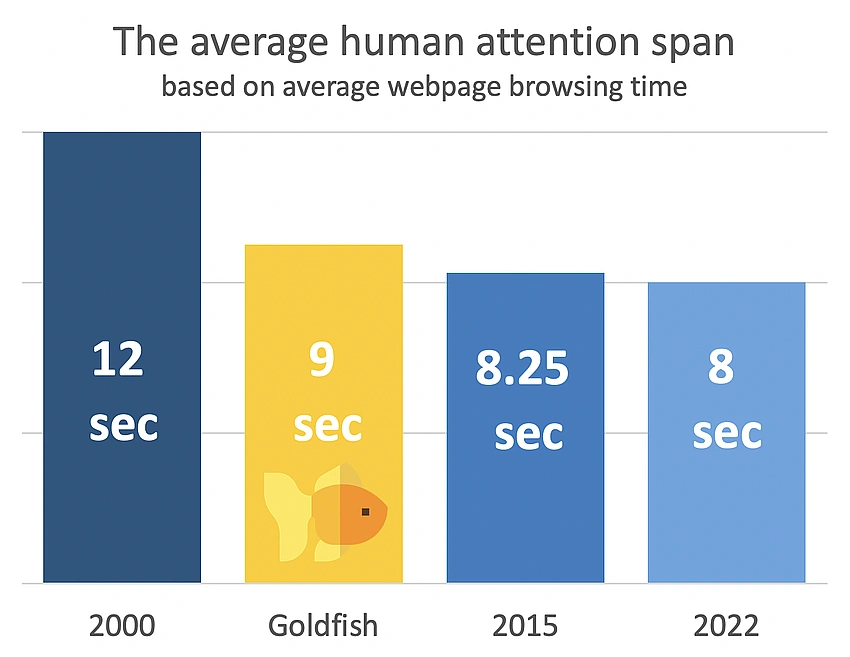
What emerges is a personalised theatre of attention. A recipe video might follow a political rant, which is then followed by a travel reel, all fine-tuned to prevent boredom. This fragmentation of attention mirrors our fractured digital selves. We begin to lose the ability to linger, to read deeply, to think slowly. Research suggests the average attention span online has shrunk to eight seconds, shorter than that of a goldfish.
It is not just entertainment. Even news is designed to be “snackable.” Outrage, fear, and novelty are the emotional levers that drive virality. As a result, we consume headlines rather than stories, emotions rather than analysis.
The Psychological Toll of Being “Always On”
The attention economy thrives on distraction, but the human mind is not designed for constant stimulation. Psychologists warn of cognitive fatigue, reduced memory retention, and heightened anxiety due to multitasking across apps. Notifications pull us from one context to another, fragmenting not just our attention but our sense of time.
In literary terms, we are living through a new modernism of fragmentation but without the reflective depth of Woolf or Eliot. Our interior monologues are interrupted not by epiphanies but by alerts. What does it mean to read or think in such an environment? The contemplative silence necessary for creativity and empathy becomes increasingly rare.
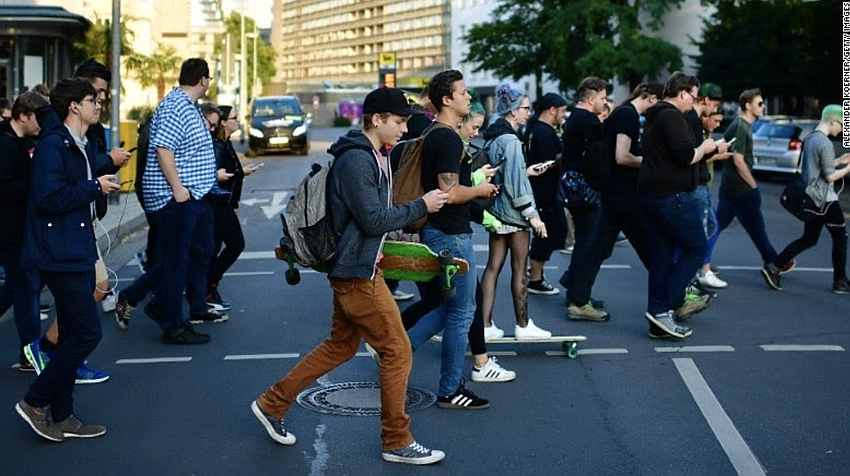
Moreover, attention is tied to agency. When our focus is constantly hijacked, our ability to make intentional choices diminishes. We become reactive, not reflective; a condition eerily reminiscent of what Foucault might call a “soft surveillance,” where control is exerted not through force but through habit.
Reclaiming Focus in a Noisy World
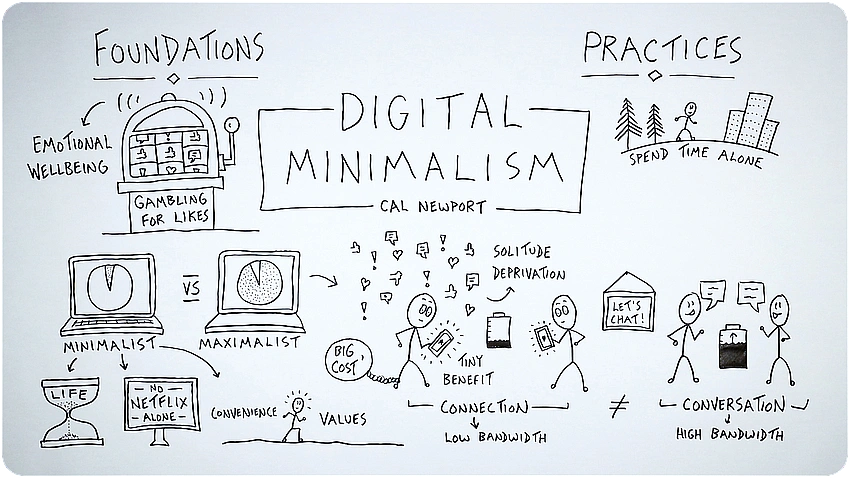
Can we reclaim our attention? Perhaps not fully, but resistance begins with awareness. Many users are now embracing “digital minimalism”, curating their feeds, limiting notifications, and using tools like screen-time trackers. Movements such as the “Time Well Spent” initiative advocate for humane technology that respects rather than exploits user attention.
Ironically, the same platforms that scatter our focus also offer tools for mindfulness. YouTube channels on slow living, Substack newsletters, and podcasts about digital detoxing reveal a hunger for slowness. The desire to escape the feed is itself a symptom of how deeply we feel trapped by it.
The challenge, then, is what kind of attention do we wish to cultivate? In a culture that equates productivity with worth, pausing to read and reflect becomes a quiet act of rebellion.
Ultimately, the attention economy is not just about technology; it is about time, which is the only truly finite resource we have. Every moment spent on a platform is a moment not spent elsewhere: with a book, a friend, or our own thoughts.
Perhaps the real question is not how to escape the attention economy but how to spend our attention wisely. After all, what we attend to becomes our world.
#AttentionEconomy #DigitalWellbeing #EndlessScroll #TechEthics #MediaLiteracy
