Buddhism Across Asia: Birthplaces, Monuments, and Modern Refuges

Buddhism Across Asia: Birthplaces, Monuments, and Modern Refuges
Explore how Buddhism spread across Asia—from Nepal's Lumbini birthplace to Taiwan's daily practice—and the monuments that symbolize its enduring journey.
Buddhism's story isn't confined to temples; it's a living thread that winds across continents, shaping art, daily life, and landscapes.
The journey begins in Lumbini, Nepal, the widely recognized birthplace of Siddhartha Gautama. Pilgrims and scholars alike study how the Dharma traveled along ancient trade routes, guiding kingdoms and communities from the Himalayan foothills to the shores of Southeast Asia and beyond.
In Taiwan, Buddhism has found a resilient refuge, growing into a dynamic contribution to daily life. A Sinicized form of the tradition has taken hold on the island, where temples dot neighborhoods and the rhythm of chants and rituals permeates everyday routines.
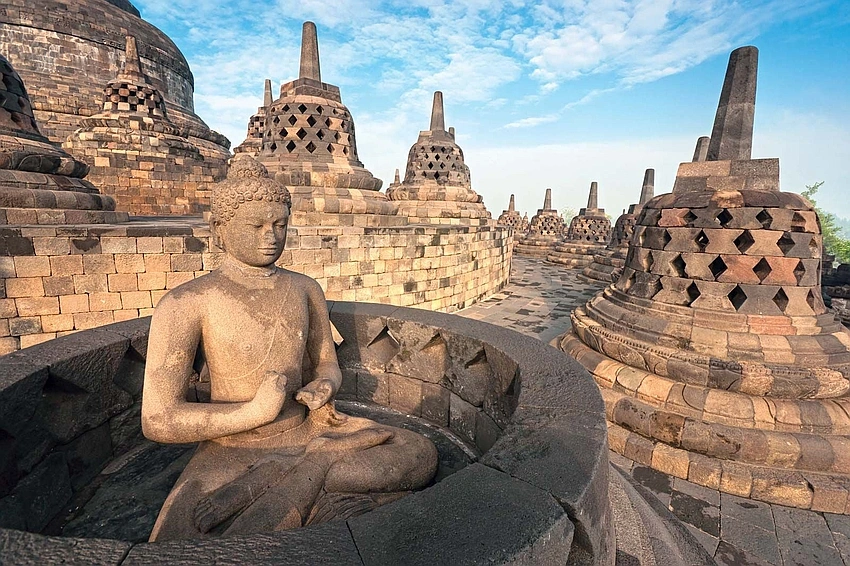
Three architecturally significant stupas—reliquary mounds—stand as tangible markers of this shared heritage, one in Nepal, another in Thailand, and a third in Taiwan. These monuments draw pilgrims and visitors alike, offering spaces for reflection, learning, and cross-cultural exchange.
Beyond monuments, readers can explore an essential reading list on the history of Buddhism in Asia, and a primer on Buddhist monuments that helps connect the theory to the stone. These curated works trace how ideas spread, how art interpreted devotion, and how communities reimagine practice across borders.
Taken together, the story of Buddhism in Asia is a testament to cultural exchange and spiritual resilience. As Asia continues to diversify, the threads of the Dharma remain a common thread weaving through temples, classrooms, and daily rituals.
