10 Signs You're a 'People-Pleaser' and How to Break the Habit Without Feeling Awkward

10 Signs You're a 'People-Pleaser' and How to Break the Habit Without Feeling Awkward
Discover if you're a people-pleaser and learn practical, easy-to-implement strategies to reclaim your boundaries and confidence without the cringe. Stop saying 'yes' when you mean 'no'!
Ever feel totally drained after a social event, wondering why you agreed to something you didn't even want to do? Or perhaps you're constantly apologizing, even when it's not your fault. If that sounds familiar, you might be a 'people-pleaser', someone who prioritizes others' feelings and needs over their own, often at the cost of their own well-being.
It's about an unhealthy pattern that can lead to burnout, resentment, and a lost sense of self.
It's time to reclaim your energy and authenticity.
The good news?
You can totally shift this habit without making things weird.

Are You a Yes-Person? The 10 Signs
Being agreeable is one thing, but consistently putting yourself last is another. Check if these resonate with you:
- You constantly apologize. Even for things beyond your control or minor inconveniences.
- You avoid conflict at all costs. You'd rather suffer in silence than voice a disagreement.
- You struggle to say 'no'. The word just feels stuck, leading you to overcommit.
- You seek external validation. Your worth often feels tied to others' approval.
- Your mood depends on others'. If someone around you is upset, you feel responsible for fixing it.
- You over-commit yourself. Your calendar is packed with things you didn't truly want to do.
- You feel resentful. Because you're constantly giving, you often feel taken for granted.
- You change your opinions to fit in. It's easier to agree than to express a different view.
- You ignore your own needs. Self-care often gets pushed aside for others' demands.
- You take responsibility for others' feelings. Believing you can, or should, control how someone else feels.
Recognizing these patterns is the first, huge step toward change. It’s not about being selfish, it's about being self-aware.

Breaking Free, No Awkwardness Required
The idea of suddenly becoming assertive can feel cringe-worthy, right?
Don't worry, you don't need to transform into a 'no-machine' overnight. Here's how to gradually shift your habits and set healthier boundaries, while keeping your cool.
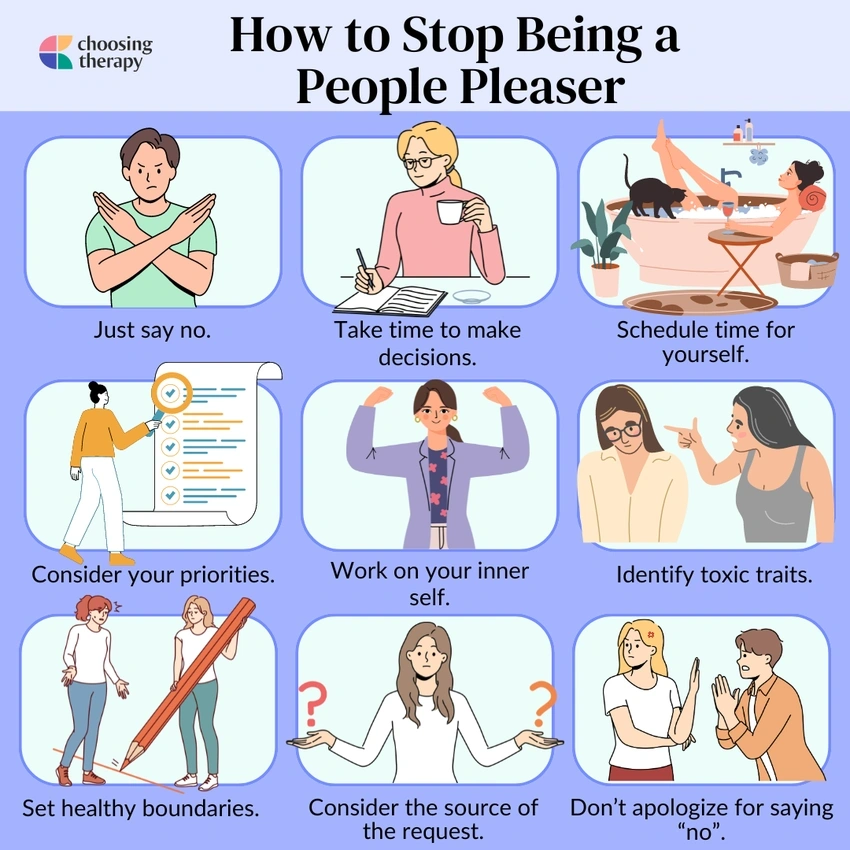
- Start Small: Practice saying 'no' to minor requests. 'Can you grab me a coffee?' 'Not right now, I’m in the middle of something.' Small victories build confidence.
- Buy Yourself Time: Instead of an instant 'yes,' say, 'Let me check my schedule and get back to you.' This pause gives you space to genuinely consider if you want to agree.
- Be Brief, Not Elaborate: You don't owe anyone a lengthy explanation. 'I wish I could, but I can’t right now' is perfectly sufficient. Long explanations often invite negotiation.
- Suggest Alternatives: If you can't fulfill a request, offer a different solution. 'I can’t help with the entire project, but I could proofread a section.' This shows willingness without over-committing.
- Prioritize Your Needs: Before agreeing, quickly ask yourself, 'What do I need right now?' Your time, energy, and mental health are valuable resources.
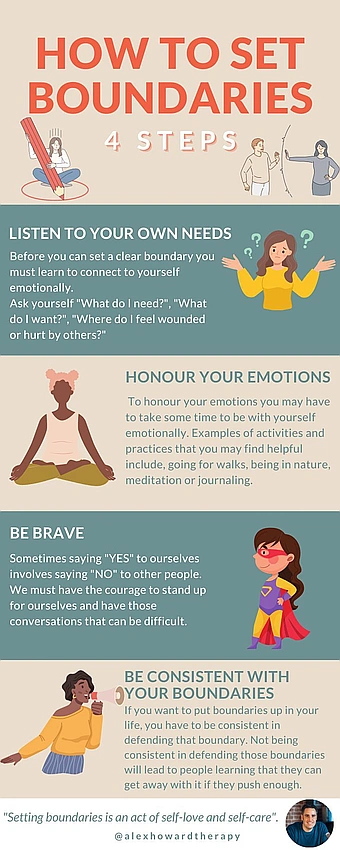
- Embrace the Initial Discomfort: It might feel a little awkward at first, that's normal! But this temporary discomfort is paving the way for long-term self-respect and stronger relationships. Remember, “Setting boundaries isn't about rejection, it's about self-respect.”
Your Authentic Self Awaits
Learning to stop people-pleasing isn't about becoming uncaring; it's about becoming genuinely you. When you honor your own limits and needs, you're not only protecting your energy, but you're also modeling healthy behavior for others.
Your relationships will become more authentic, and you'll find yourself feeling less drained and more empowered.
Ready to say 'yes' to yourself for a change?