UPI Fee Sparks "Modi Tax" Row: Who Pays for Digital India's Future?

UPI Fee Sparks "Modi Tax" Row: Who Pays for Digital India's Future?
A proposed 0.4% fee on UPI transactions above ₹2,000 sparks a political firestorm. Rahul Gandhi labels it "Modi Tax," while BJP defends India's independent policy. Get the full story on this digital payment debate!
A new proposal to levy a 0.4% merchant fee on select UPI payments exceeding ₹2,000 has ignited a major political controversy across the nation. This move aims to ensure the financial sustainability of India's robust digital payments infrastructure, but it has quickly become a hot-button issue.
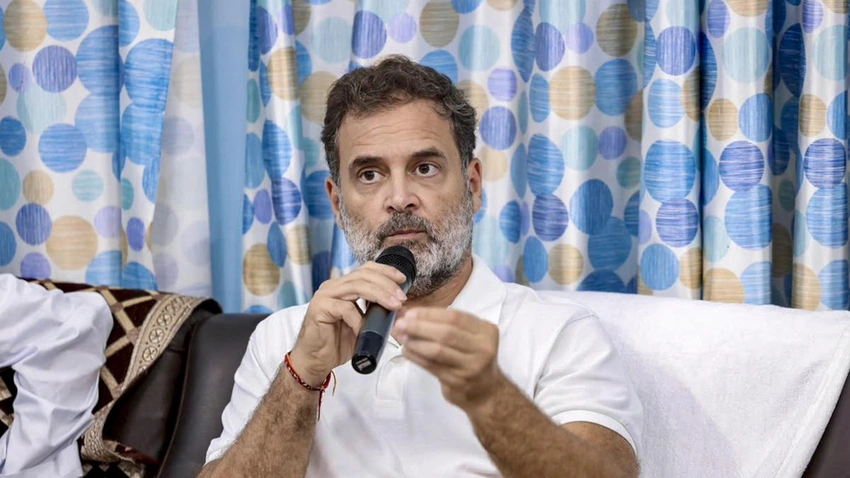
Congress leader Rahul Gandhi wasted no time in branding the proposed charge as a “Modi Tax,” demanding an immediate rollback. Gandhi also alleged that the decision was influenced by pressure from the United States, linking it to broader demands for changes in India’s zero merchant discount rate regime for UPI.
The Bharatiya Janata Party (BJP) has swiftly countered these allegations, accusing the Congress of misleading the public and insisting that India’s UPI policy remains entirely independent and free from external influence. They argue that the Congress is politicizing a crucial financial discussion.
Amidst the political sparring, the Reserve Bank of India (RBI) has clarified that the framework is designed to make digital payments financially viable. The RBI emphasizes the need to support the extensive infrastructure that underpins the UPI system, which has seen unprecedented adoption across the country.
The proposed fee has also drawn mixed reactions from various stakeholders.
Retailers have expressed significant concerns, warning that these added costs could force some small businesses, especially those operating on thin margins, to revert to cash transactions. This would be a step backward for the digital India initiative.
On the other hand, voices from the fintech industry argue that the payment ecosystem desperately needs a sustainable funding model to continue innovating and expanding.
The core question remains: who should bear the cost of maintaining and developing the massively successful UPI platform?
Should it be the merchants, who are key drivers of its adoption?
The government, through subsidies?
Or should the system itself find a way to generate revenue without stifling growth? This debate is set to continue as stakeholders weigh the benefits of a sustainable digital payment system against the potential burden on users and businesses.

Login to comment.
No thots yet. Be the first to share your thoughts!