New Green Card Rules Take Effect: How Public Benefits Could Impact Residency
New Green Card Rules Take Effect: How Public Benefits Could Impact Residency
Starting September 18, stricter Green Card rules will affect immigrants using public benefits. Learn how the 'public charge' policy could impact families and future applicants.
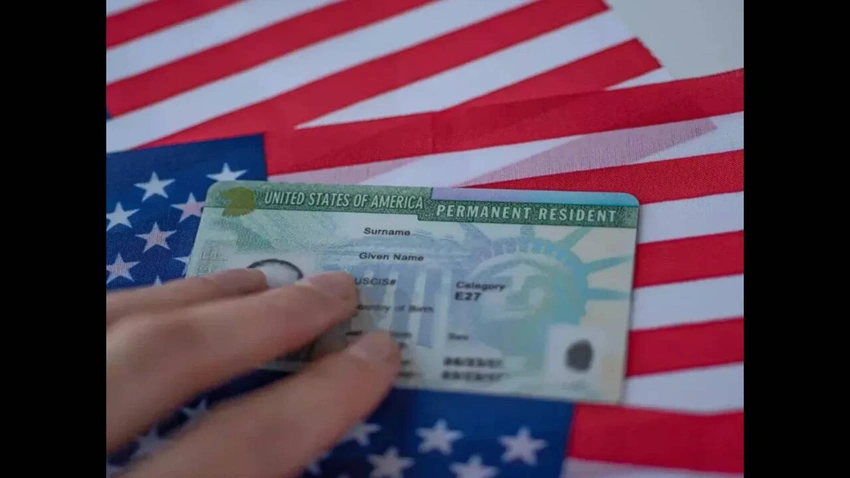
The U.S. government is implementing new regulations that will significantly alter the landscape for Green Card applicants. Effective September 18, immigration officers will gain broader authority to deny permanent residency to individuals who have utilized public benefits.
This updated "public charge" rule, initially championed by the Trump administration, aims to ensure that immigrants are self-sufficient and do not become a financial burden on the state.
Under these revised guidelines, the U.S.
Citizenship and Immigration Services (USCIS) will conduct stricter financial evaluations for Green Card applicants.
A wider array of public benefits will now be considered when determining if an individual is likely to become a "public charge." This includes, but is not limited to, certain forms of public assistance such as Medicaid, food stamps, and housing subsidies. The policy's implementation will primarily impact family-based and employment-based Green Card submissions filed from the effective date forward.
It's crucial for applicants to understand that not all applications will be affected equally.
Any applications submitted before September 18, 2026, will still be processed under the previous, less stringent criteria.
Furthermore, specific categories of applicants will be exempt from these changes, though the full list of exemptions was not detailed in the provided source.
This policy is expected to have far-reaching implications for immigrant families, potentially forcing difficult choices between accessing essential support and securing permanent residency.
