The Macklemore Question: Should Politics Cost You Your Gig?

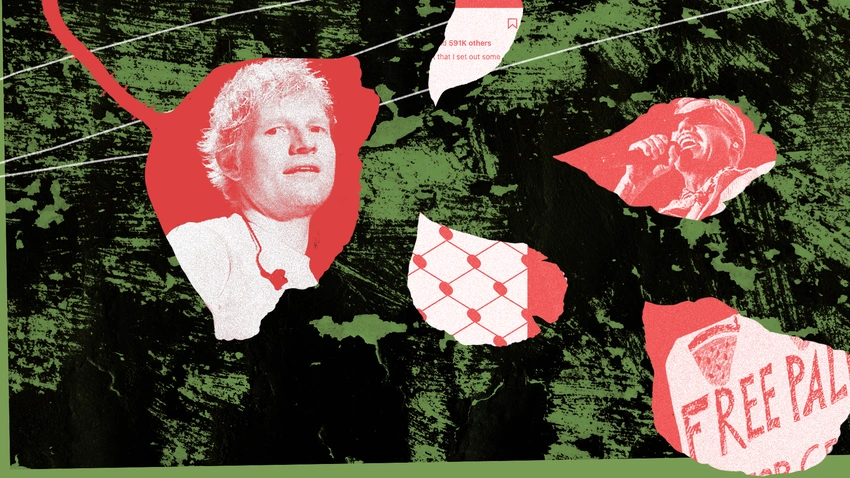
The Macklemore Question: Should Politics Cost You Your Gig?
The music industry is wrestling with a critical question: when an artist takes a political stand, especially on complex issues like the Israel-Palestine conflict, what's the real cost? We dive into whether speaking your
The buzz around Macklemore being removed from the Ed Sheeran tour over his stances on Israel and Palestine has thrown a wrench into the idea of the 'apolitical concert.' Let's be real, that concept has always been a bit of a myth, hasn't it? Artists have been challenging the status quo and voicing opinions since forever, from Bob Dylan to Public Enemy.
Yet, when an artist like Macklemore, known for his socially conscious lyrics, speaks out on a deeply polarizing issue, the industry reacts. Suddenly, it's not just about the music; it's about the message, the platform, and the potential impact on brand partnerships, ticket sales, and even other artists' comfort levels. We're witnessing a critical juncture where artistic freedom clashes directly with commercial viability and public relations.
Some argue that artists should stick to entertaining, leaving politics to the politicians. The sentiment is often: 'Just sing, don't preach.' This perspective values broad appeal and minimizing controversy, seeing any strong political statement as a business risk. And let's be honest, for many, an Ed Sheeran concert is about escape, not engagement in global conflict.
But is it fair to penalize someone for using their voice on issues they deeply believe in?
We've always celebrated artists who speak truth to power. “The idea of separating art from life, and therefore politics, is fundamentally flawed,” a veteran publicist once told me. When an artist achieves a certain level of fame, their platform becomes immense.
To expect them to remain silent on major world events can feel like a demand for intellectual disengagement.
Consider the pressure. Performers are often seen as role models, whether they want to be or not. Their fans, especially younger ones, look to them for more than just tunes.
When they speak out, they risk alienating a portion of their fanbase and potentially affecting their income.
Losing a tour slot, like Macklemore reportedly did, is a significant professional consequence.
So, where do we draw the line?
Is there an unspoken rule that some topics are simply too hot to handle for a touring musician?
Or is it that the industry, and perhaps audiences, are just uncomfortable with certain perspectives being amplified?
The Cost of Conviction: A Necessary Evil?
Ultimately, every artist makes a choice. Do they prioritize their convictions, knowing it might cost them opportunities, or do they self-censor to maintain commercial appeal? The Macklemore situation isn't just about one artist and one tour; it's a microcosm of a much larger debate about free expression versus professional repercussions in a hyper-connected, often polarized world.
For the industry, it's a stark reminder that the 'apolitical concert' truly is a figment of imagination, and navigating artists' political lives is a challenge that's here to stay.
