Why Your Skin Feels Oily and Dry at the Same Time: The Moisture Paradox Explained

Why Your Skin Feels Oily and Dry at the Same Time: The Moisture Paradox Explained
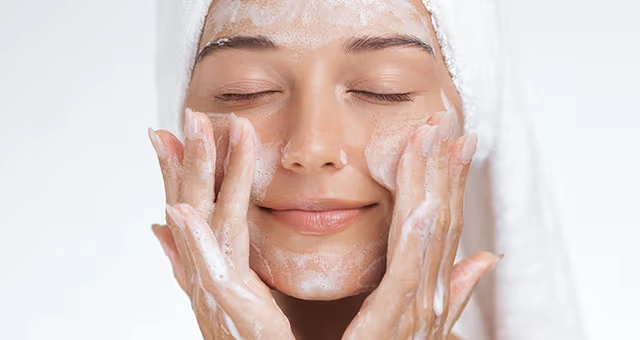
It is one of the most confusing skincare experiences. Your face looks shiny within hours, yet it feels tight and dehydrated underneath. Many people assume they have oily skin and try to strip away excess oil using a cleanser for oily skin 🔗, only to make the problem worse. This contradiction is known as the moisture paradox, and understanding it can completely change how you approach skincare.
What Is the Moisture Paradox?
The moisture paradox occurs when your skin lacks water but produces excess oil to compensate. Oil and hydration are not the same. Your skin can be oily yet dehydrated at the same time.
When your skin loses hydration:
- It signals sebaceous glands to produce more oil
- The surface becomes greasy
- The deeper layers remain dehydrated
This imbalance leads to clogged pores, breakouts, and an overall unhealthy skin appearance.
Why Stripping Oil Backfires
Many people respond to oily skin by using harsh cleansers, frequent washing, or skipping moisturizers. While this may reduce shine temporarily, it disrupts your skin’s natural balance.
Over-cleansing can:
- Damage the skin barrier
- Increase water loss
- Trigger more oil production
- Cause irritation and sensitivity
Instead of solving the problem, it creates a cycle where your skin becomes increasingly dependent on oil to protect itself.
The Science Behind Hydration vs Oil
Your skin barrier is responsible for retaining moisture and protecting against external damage. When this barrier is compromised, water escapes more easily, leading to dehydration.
At the same time:
- Sebum production increases to compensate
- Pores become more prone to clogging
- Skin texture becomes uneven
This explains why oily skin often still needs hydration. Ignoring this need only worsens the imbalance.
A Research-Backed Perspective
A study published in the National Library of Medicine highlights the importance of maintaining skin barrier function for overall skin health. It explains how barrier disruption increases transepidermal water loss, leading to dehydration and compensatory oil production. You can read more here 🔗.
This shows that hydration is not optional, even for oily skin types.
Why Moisturizing Is Non-Negotiable
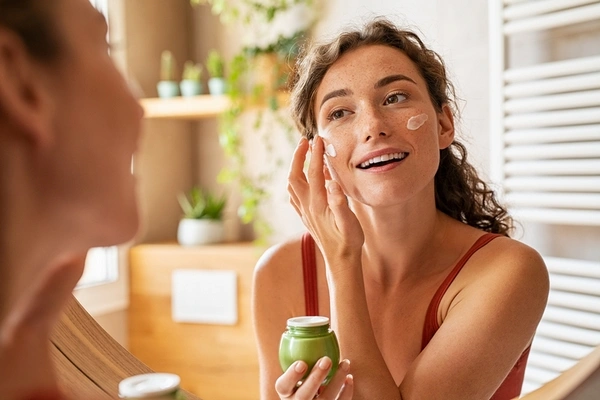
Skipping moisturizer is one of the biggest mistakes people with oily skin make. Hydration helps regulate oil production and restore balance.
Using the right Moisturizer for oily skin can:
- Reduce excess sebum production
- Strengthen the skin barrier
- Improve overall texture
- Prevent dehydration
The key is choosing lightweight, non-comedogenic formulations that hydrate without clogging pores.
Signs Your Skin Is Dehydrated, Not Just Oily
It can be difficult to tell the difference between oily and dehydrated skin. However, certain signs indicate a lack of hydration.
Look for:
- Tightness after cleansing
- Dull or uneven texture
- Increased sensitivity
- Breakouts despite oily appearance
Recognizing these signs helps you adjust your routine effectively.
How Cleansing Affects Skin Balance
Cleansing is essential, but the method matters. Using the wrong cleanser can strip your skin and disrupt its natural balance.
A balanced approach includes:
- Washing your face twice daily
- Using gentle formulations
- Avoiding overly hot water
- Not over-cleansing throughout the day
The goal is to remove impurities without removing essential moisture.
The Role of Humidity and Climate
Your environment plays a major role in how your skin behaves. In humid conditions, your skin may produce more oil, while in dry climates, dehydration becomes more noticeable.
Environmental factors can:
- Affect water retention in the skin
- Influence oil production levels
- Change how products perform
Adjusting your routine based on climate helps maintain balance.
Why Layering Matters More Than Quantity
Many people think adding more products will fix their skin. In reality, proper layering is more important than quantity.
An effective routine includes:
- Cleansing to remove buildup
- Hydrating to restore water levels
- Sealing moisture with a suitable moisturizer
This approach ensures your skin receives both hydration and protection.
The Impact of Lifestyle on Skin Hydration
Your daily habits influence your skin more than you realize. Factors like diet, sleep, and stress directly affect hydration levels.
For example:
- Dehydration from low water intake affects skin elasticity
- Poor sleep slows down repair processes
- Stress increases oil production
Improving these areas enhances your skincare results.
Why Over-Exfoliation Worsens the Problem
Exfoliation can be beneficial, but overdoing it damages your skin barrier. This leads to increased water loss and oil production.
Over-exfoliation can cause:
- Redness and irritation
- Increased sensitivity
- More breakouts
- Persistent dehydration
Limiting exfoliation and focusing on barrier repair is essential.
Building a Balanced Routine
Creating a routine that addresses both oil and hydration requires balance. Focus on consistency rather than complexity.
A simple routine includes:
- Gentle cleansing
- Hydrating treatments
- Lightweight moisturizing
- Daily sun protection
This structure helps restore your skin’s natural equilibrium.
Why Patience Is Key
Skin balance does not happen overnight. It takes time for your barrier to repair and for oil production to stabilize.
During this process:
- Avoid switching products frequently
- Stick to a consistent routine
- Monitor how your skin responds
Gradual improvement leads to long-term results.
Conclusion
The moisture paradox highlights a crucial truth: oily skin is not always well-hydrated. Treating oil without addressing hydration can worsen your skin condition. A balanced approach that includes proper cleansing and consistent hydration is essential for healthy skin. Even the best Moisturizer for oily skin 🔗 will only work effectively when paired with the right habits and routine.
Call to Action
Ready to restore balance to your skin? Discover effective skincare solutions tailored for real results at World of California 🔗. Build a routine that hydrates, protects, and supports your skin every day.
FAQs
Why does my skin feel tight after washing but gets oily later?
This usually means your skin is dehydrated, causing it to produce excess oil to compensate for lost moisture.
Should I skip moisturizer if I have oily skin?
No, skipping moisturizer can worsen oil production. Hydration helps regulate your skin’s natural balance.
How often should I cleanse my face?
Cleansing twice a day is usually enough to remove impurities without over-stripping your skin.
Can dehydration cause acne?
Yes, dehydrated skin can produce more oil, leading to clogged pores and breakouts.
