SC reserves verdict on passive euthanasia for Delhi man in vegetative state

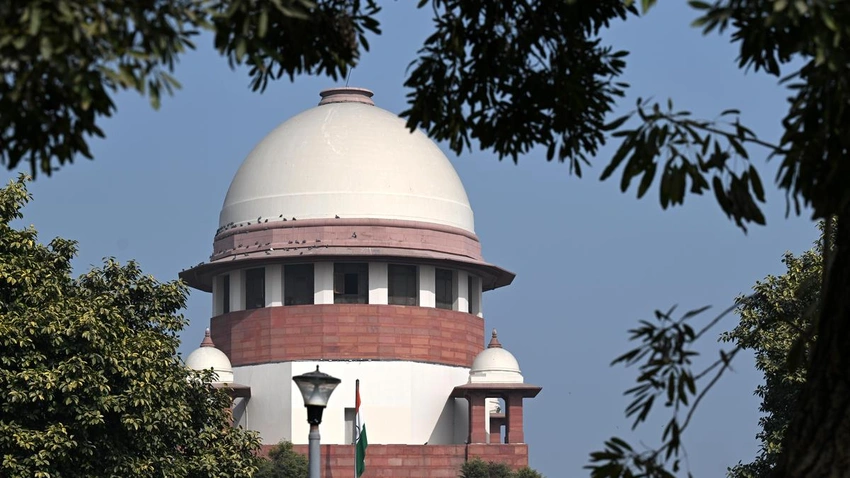
SC reserves verdict on passive euthanasia for Delhi man in vegetative state
The Supreme Court reserved its verdict on a plea for passive euthanasia for a 31-year-old in a permanent vegetative state, potentially marking India's first judicially sanctioned end-of-life decision.
The Supreme Court on Thursday reserved its judgment on a plea seeking permission for passive euthanasia of Harish Rana, a 31-year-old man who has lived in a permanent vegetative state since a 2013 fall, remaining bedridden and dependent on clinically assisted nutrition and hydration. While not on mechanical ventilation, he requires round-the-clock care. If allowed, the move could mark India's first instance of judicially sanctioned passive euthanasia, drawing on the principles laid down in the 2018 Common Cause judgment that recognized the right to die with dignity and permitted withdrawal of life-sustaining treatment under a structured framework.
The bench, comprising Justices JB Pardiwala and KV Viswanathan, heard extensive submissions from Rana’s family and the Union government. In remarks underscoring the gravity of the issue, the judges said, “We decide matters every day, but these issues are delicate. We are also mortals. Who are we to decide who lives or dies? Let us see.” Earlier, the court had ordered the constitution of a secondary medical board to review the case and provide guidance, signaling the seriousness with which the court views the medical and ethical dimensions involved.
Rana’s parents have argued that continued medical intervention serves no therapeutic purpose and only prolongs suffering, urging a withdrawal of life-sustaining treatment in line with the patient’s dignity and wishes. The hearing highlighted how the decision would hinge on a careful balancing of medical facts, patient autonomy, and family considerations, within the framework established by the Common Cause judgment. The verdict remains awaited, with potential implications for similar cases seeking a dignified end-of-life pathway in the future.
