Vance Defends New Iran Ceasefire Deal Amid Congressional Backlash

Vance Defends New Iran Ceasefire Deal Amid Congressional Backlash
VP JD Vance champions a new U.S.-Iran ceasefire agreement, promising sanctions relief and economic benefits. But can he convince a skeptical Congress and wary allies? Dive into the details of the controversial deal!
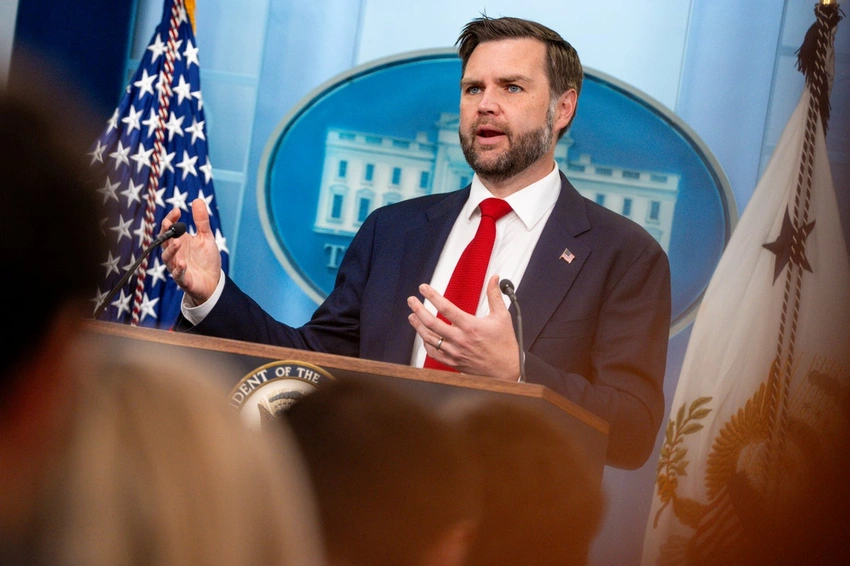
Vice President JD Vance has stepped into the spotlight, becoming the public face of the Trump administration's new Iran deal as President Trump returns from the G7 summit, bracing for congressional backlash. Vance addressed the White House briefing room on Thursday, outlining the terms of a 60-day ceasefire extension with Iran.
This agreement is set to pave the way for significant sanctions relief, crucially allowing Iranian oil to re-enter the global market. This move is expected to provide a substantial economic boost for Tehran and a much-needed lifeline for its government. The deal also includes plans for a $300 billion economic development fund, intended to be financed by regional investing partners rather than U.S. taxpayer dollars.
Vance's prominent role comes just a day after President Trump jokingly suggested his Vice President would be the "fall guy" if the administration's plan to end the four-month conflict with Iran met a negative reception on Capitol Hill. Indeed, bipartisan criticism was already mounting as Vance took to the podium.
The Vice President was quick to push back against neoconservative critics within the Trump coalition, who have drawn unfavorable comparisons between this new memorandum of understanding and the Obama-era Joint Comprehensive Plan of Action (JCPOA), which also aimed to curb Iran's nuclear ambitions. "The idea that they get benefits before they change their behavior is fundamentally a talking point that is issued by people who want the conflict to continue indefinitely," Vance asserted to reporters. He emphasized, "No sanctions will come off unless they perform their end of the bargain and every sanction will come back on [if they don’t comply]."
Furthermore, Vance issued a stark warning to Israel regarding its criticism of the peace deal. He reportedly reminded critics that the U.S. remains Israel's only powerful ally and highlighted that two-thirds of the weapons protecting Israel are funded by U.S. tax dollars. This firm stance underscores the administration's determination to push forward with the agreement despite internal and external pressures. The coming weeks will reveal if Vance can successfully navigate the political headwinds and secure broader acceptance for this contentious new approach to Iran.
