Machado Presents Nobel Medal to Trump in White House Meeting

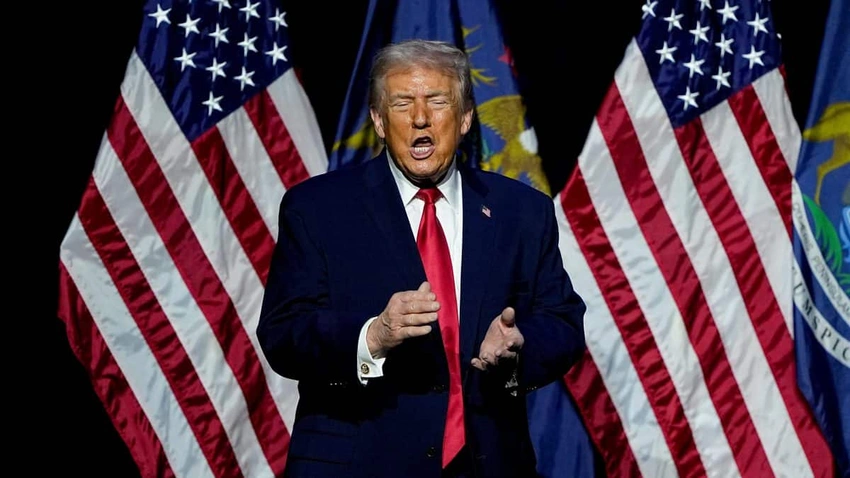
Machado Presents Nobel Medal to Trump in White House Meeting
Venezuelan opposition leader says she handed her Nobel Peace Prize medal to President Trump after a private White House meeting; question remains on whether he accepted.
Venezuelan opposition figure María Corina Machado says she presented her Nobel Peace Prize medal to President Donald Trump during a private White House meeting, and she declined to say whether he accepted it. She framed the encounter as historic for Venezuelans, noting it was the first in-person meeting between the two since recent political upheavals in Venezuela began to unfold. After leaving the White House, Machado told supporters gathered at the gates that they could count on Trump, and reiterated that she had given him the Nobel medal as a symbolic gesture of recognition for his supposed commitment to Venezuelan freedom.
The exchange comes amid a tense political backdrop in Venezuela, where opposition momentum following elections earlier in the year has been contested, and where acting leadership has been in flux. In the weeks before the meeting, U.S. officials had not endorsed Machado, who leads a movement that claimed victory in the contested 2024 elections, while Washington has been working with the acting head of state, Delcy Rodríguez, a longtime Maduro ally. The Nobel medal Machado carried is widely understood to be non-transferable; the Nobel Committee has repeatedly stated that the prize cannot be shared or reassigned once awarded.
Before the White House meeting, the Nobel Peace Center posted a note on social media that “a medal can change owners,” highlighting the symbolic nature of Machado’s gesture. Machado has previously accepted the Nobel Prize, despite prior public signals from Trump that he would prefer to be recognized himself, a point of tension that has colored interactions between the two leaders. The encounter at the White House did not have a public endorsement from Trump, and Machado’s remarks stopped short of confirming any formal transfer of the prize.
The moment sits at a crossroads of diplomacy and symbolism. While Machado framed the gesture as a boost for Venezuelan freedom and opposition momentum, critics wondered whether a medal-bearing exchange would translate into tangible policy or sustained dialogue. Supporters gathered outside the gates saw the meeting as a sign of possible openness from Washington toward Venezuela’s opposition, while others cautioned against reading too much into a symbolic act amid ongoing political maneuvering in Caracas and Washington.
For Venezuela, the event underscores how international diplomacy intersects with domestic politics, especially as leadership remains contested and external actors navigate a fragile path between recognition and pressure. Whether this moment leads to lasting dialogue or remains a symbolic footnote will depend on future actions from the parties involved and the evolving dynamics of U.S.-Venezuela relations.
