UAE Fast-Tracks Second Oil Pipeline to Bypass Hormuz by 2027

UAE Fast-Tracks Second Oil Pipeline to Bypass Hormuz by 2027
The UAE accelerates a second West-East pipeline to bypass the Strait of Hormuz, aiming to double export capacity amid tight global energy supplies.
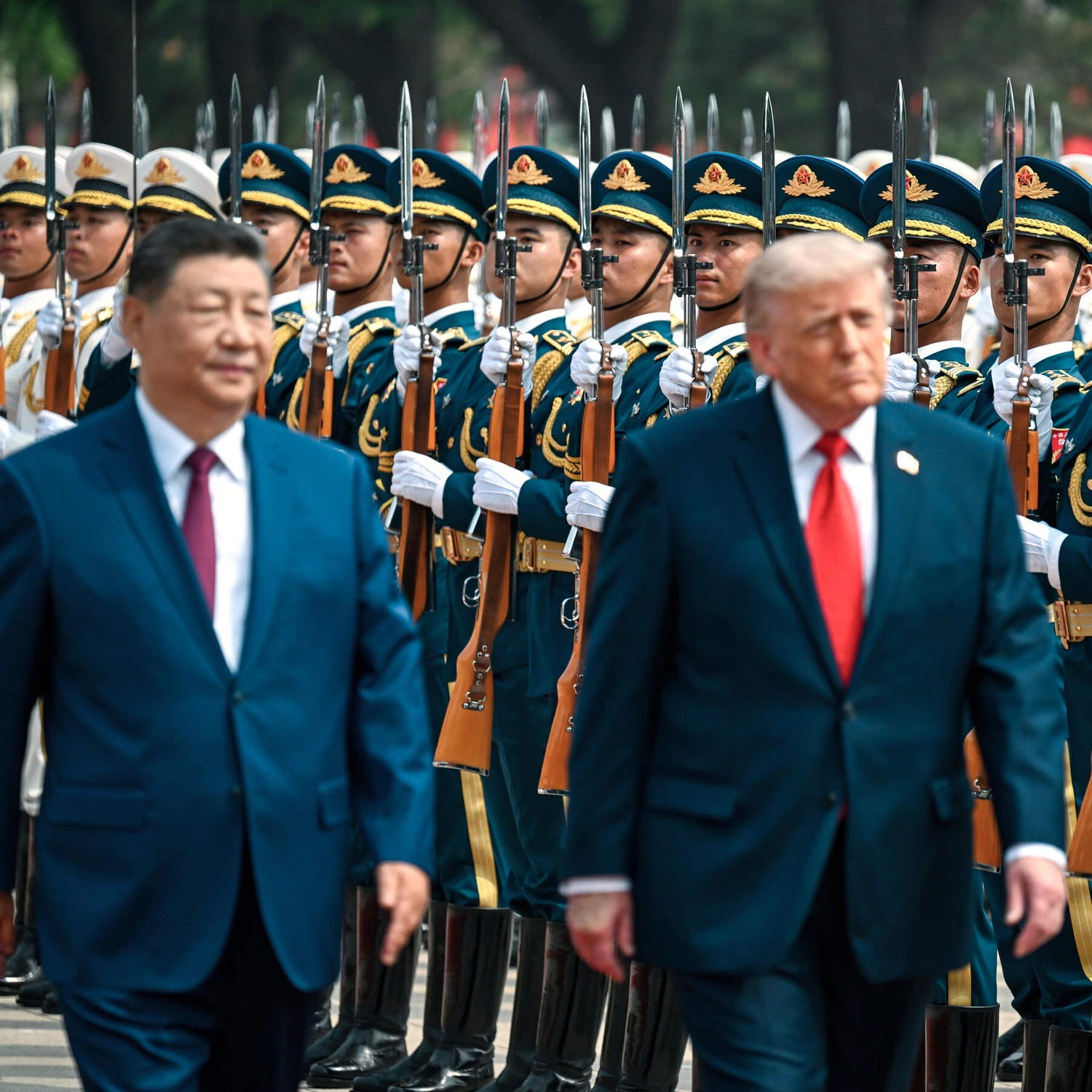
Oil prices have climbed on fears of a broader energy crunch as tensions around Iran and disruption in the Strait of Hormuz persist. Hopes for an end to the conflict involving Iran faded after President Trump failed to secure a commitment from China to help persuade Iran to reopen the Strait of Hormuz.
In parallel, UAE state oil company is fast-tracking a second West-East oil pipeline, a project designed to bypass Hormuz and keep shipments moving even if chokepoints tighten again. The new line would nearly double export capacity, strengthening the country’s role as a regional energy hub and offering a more resilient route for Gulf crude. Officials have signaled a targeted completion by 2027, with the project positioned to work alongside existing export lines rather than replace them.
Analysts say the pipeline could reduce the sector’s vulnerability to disruptions at Hormuz, providing Gulf producers with greater flexibility to meet growing Asian demand and stabilize flows amid ongoing geopolitical headwinds. The move underscores a broader shift toward energy security as a core strategic priority for energy exporters in the region, even as markets remain sensitive to supply expectations and global price dynamics.
While the plan promises longer-term stability, traders and policymakers will be watching closely how the project interacts with existing infrastructure, international diplomacy, and the evolving landscape of global energy supply. If completed on schedule, the UAE path could recalibrate regional supply routes and influence pricing expectations in the coming years.
