The Climate-Smart Acne Routine: Adapting Your Skincare to Humidity, Heat, and Urban Stress


The Climate-Smart Acne Routine: Adapting Your Skincare to Humidity, Heat, and Urban Stress

Skincare does not exist in a vacuum. Your environment plays a powerful role in how your skin behaves, especially when acne is involved. From humid coastal air to polluted urban environments, external conditions constantly influence oil production, clogged pores, and inflammation. Building a climate-smart routine is no longer optional, it is essential. Even commonly used solutions like cleanser for sensitive acne prone skin 🔗 need to be chosen based on how your surroundings affect your skin daily.
Why Climate Matters More Than You Think
Humidity, temperature, and pollution levels directly impact your skin’s oil balance and barrier strength. In humid climates, excess sweat and sebum create the perfect environment for clogged pores and bacterial growth. In contrast, dry or air-conditioned environments can strip moisture, leading to irritation and rebound oil production.
Key environmental triggers include:
- High humidity increasing oil and sweat buildup
- Pollution introducing toxins that clog pores
- UV exposure weakening the skin barrier
- Sudden temperature changes disrupting balance
Understanding these factors helps in designing a routine that adapts rather than reacts.
Step 1: Cleansing Based on Environmental Load
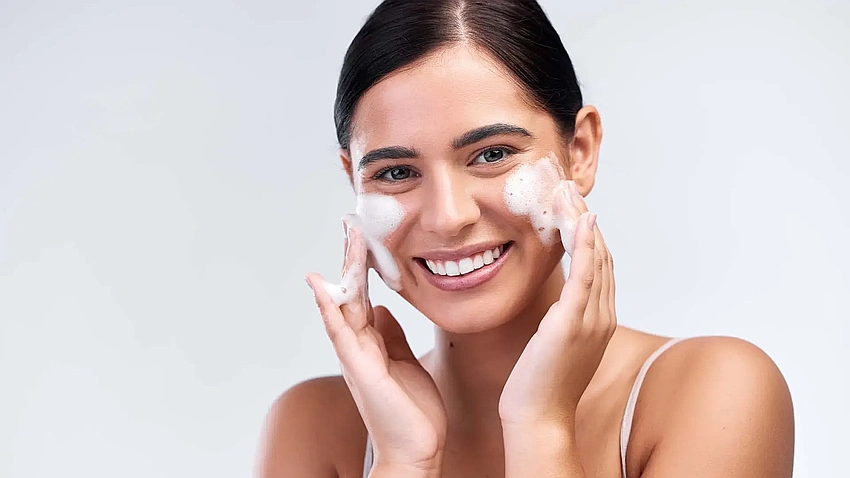
Cleansing needs to go beyond basic oil removal. In polluted or humid environments, your skin accumulates dirt, sweat, and microscopic pollutants throughout the day. This requires a cleanser that is effective yet gentle enough to maintain barrier integrity.
A climate-adaptive cleanser should:
- Remove environmental impurities without over-drying
- Maintain pH balance to prevent irritation
- Support the skin barrier while reducing excess oil
Over-cleansing, however, can worsen acne by stripping natural oils and triggering increased sebum production.
Step 2: Lightweight Treatments That Don’t Overwhelm Skin
In hot and humid conditions, heavy serums and creams can feel suffocating and lead to clogged pores. This is why lightweight, fast-absorbing treatments are ideal.
Focus on:
- Oil-regulating formulations
- Ingredients that calm inflammation
- Non-sticky textures that layer easily
Targeted treatments should address both active acne and underlying triggers without adding excess weight to the skin.
Step 3: Smart Spot Solutions for Sudden Breakouts
Environmental stress often causes unexpected breakouts. Whether it is due to sweat buildup or pollution exposure, having a reliable spot treatment is essential.
Effective spot solutions:
- Act quickly without causing dryness
- Reduce redness and swelling
- Blend seamlessly into your routine
They should be used as emergency tools rather than everyday reliance.
Step 4: Hydration Without Heaviness
Hydration is crucial even in humid weather. Many people skip moisturizers, assuming their skin is already oily. This is a mistake. Dehydrated skin produces more oil, leading to a cycle of breakouts.
An ideal moisturizer in such conditions:
- Feels lightweight and breathable
- Provides hydration without greasiness
- Supports skin barrier repair
Balancing hydration helps stabilize oil production and improves overall skin resilience.
Step 5: Sunscreen That Works With Your Environment
Sun protection is non-negotiable, especially in regions with strong UV exposure. However, the type of sunscreen matters significantly in hot and humid climates.
Look for sunscreens that:
- Are lightweight and non-comedogenic
- Do not leave a heavy residue
- Provide broad-spectrum protection
Consistent use helps prevent post-acne pigmentation and protects the skin barrier from further damage.
Urban Pollution and Acne: The Invisible Trigger
Air pollution is one of the most underestimated causes of acne. Tiny particles settle on the skin, mixing with oil and clogging pores. Over time, this leads to inflammation, dullness, and persistent breakouts.
According to a study published by the National Center for Biotechnology Information (NCBI), exposure to air pollution is directly associated with increased sebum production and higher rates of acne in urban populations.
This makes it clear that acne care must go beyond traditional methods and address environmental stressors.
Minimalism vs Layering in Humid Conditions
Layering too many products in a humid climate can overwhelm the skin. Instead, a minimal yet effective routine works best.
A balanced routine includes:
- A gentle cleanser
- One targeted treatment
- A lightweight moisturizer
- A suitable sunscreen
This approach reduces the risk of clogged pores while ensuring the skin receives essential care.
How to Transition Your Routine Seasonally
Your skincare routine should evolve with changing seasons. What works during cooler months may not suit peak summer conditions.
Tips for seasonal adaptation:
- Switch to lighter textures in humid weather
- Reduce the use of heavy actives during extreme heat
- Increase focus on hydration during dry or air-conditioned conditions
Flexibility is key to maintaining consistent results.
The Role of Preventive Care in Acne Management
Instead of reacting to breakouts, preventive care focuses on maintaining skin balance. This reduces the frequency and severity of acne over time.
Preventive strategies include:
- Regular but gentle cleansing
- Consistent hydration
- Daily sun protection
- Avoiding pore-clogging products
A proactive approach ensures healthier skin in the long run.
Why One-Size-Fits-All Skincare Fails
Skincare trends often promote universal routines, but acne is highly individual and influenced by multiple factors. Climate, lifestyle, and skin type all play a role in determining what works best.
Personalized routines:
- Adapt to environmental conditions
- Address specific skin concerns
- Focus on long-term skin health rather than quick fixes
This approach leads to more sustainable and visible improvements.
Conclusion
Adapting your skincare routine to your environment is one of the most effective ways to manage acne. From cleansing to sun protection, every step should align with the conditions your skin faces daily. A thoughtful, climate-smart routine not only reduces breakouts but also strengthens the skin over time. Incorporating solutions like an effective spot treatment for acne and pimples 🔗 🔗ensures that sudden breakouts are managed quickly without disrupting overall skin balance.
Call to Action
Upgrade your skincare routine with products designed to perform in real-world conditions. Explore effective, environment-friendly acne care solutions at World of California 🔗 and build a routine that adapts as your skin does.
FAQs
1. Can humidity worsen acne?
Yes, high humidity increases sweat and oil production, which can clog pores and trigger breakouts.
2. Should I skip moisturizer in hot weather?
No, skipping moisturizer can dehydrate the skin and lead to increased oil production.
3. How does pollution affect acne?
Pollution introduces particles that clog pores and increase inflammation, leading to breakouts.
4. Is sunscreen necessary for acne-prone skin?
Yes, sunscreen protects against UV damage and prevents post-acne marks.
5. How often should I change my skincare routine?
You should adjust your routine seasonally or when your environment changes significantly.
