Where Do We Draw the Line? Fan Boundaries in Celebrity Culture

Where Do We Draw the Line? Fan Boundaries in Celebrity Culture
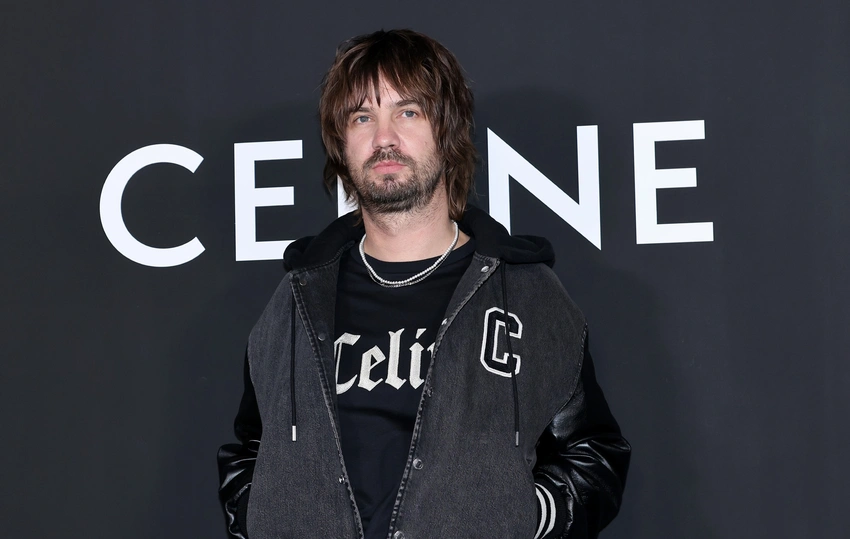
Tame Impala's Kevin Parker is setting new boundaries with fans after facing aggressive autograph hounds. This sparks a critical discussion on celebrity-fan interactions in today's culture.
The evolving relationship between artists and their admirers is a fascinating, often challenging, landscape. We’re currently in a period where the lines of personal space and public expectation are being redefined, and artists like Kevin Parker of Tame Impala are stepping up to set clear boundaries.
Parker recently made it explicit that he will no longer be signing autographs or taking photos outside hotels or at airports. It's a necessary response to the 'rise of aggressive autograph hounds' . What's particularly disheartening is his revelation that some have 'started using kids' as a tactic to pressure artists into interactions.
It's exploitation, pure and simple.
When adoration morphs into aggressive entitlement, it fundamentally changes the dynamic.
It transforms what could be a genuine, brief connection into a transaction, often an uncomfortable or even threatening one. For every fan patiently waiting for a respectful moment, there's an aggressive counterpart spoiling the experience for everyone.
The repercussions extend beyond just autographs. Parker also stated he won't be coming out after shows to meet fans in the parking lot for the time being, citing security concerns. This escalation of aggressive behavior ultimately forces artists to pull back further, creating a wider chasm between performers and their audience- a lose-lose situation for everyone except those profiting from the artist's discomfort.
In an age dominated by social media, where instant access and constant updates are the norm, the perception of a celebrity's availability can become distorted. A digital connection, however strong, does not equate to ownership of an artist's physical space or time. There's a crucial distinction between being a devoted fan and being an invasive one.
This situation isn't just about Kevin Parker, it's a symptom of a larger cultural phenomenon.
It forces us to ask: where do we as a collective draw the line?
How do we ensure that our admiration for talent doesn't morph into an intrusion that compromises an artist's comfort, privacy, and even safety?
Finding the Balance in Fandom
Ultimately, fostering a healthy environment for artists and fans requires mutual respect. It's about celebrating the art and the artist without crossing into personal boundaries, especially when tactics like involving children are deployed. Perhaps it's time for a collective recalibration of what genuine fan appreciation looks like in the modern world.
Let's champion the artists we love by giving them the space they need to thrive.
