Delhi Riots Were Pre-Planned, Not Spontaneous, Says SG in SC

Delhi Riots Were Pre-Planned, Not Spontaneous, Says SG in SC
In a Supreme Court hearing, the Solicitor General argues Delhi’s 2020 riots were pre-planned and orchestrated, challenging the spontaneity narrative and urging a full evidentiary review.
In a Supreme Court hearing, the Solicitor General argued that the Delhi riots of February 2020 were not a spontaneous surge of protests but a well-designed, preplanned act aimed at dividing society along communal lines. He described the violence as more than an agitation tied to policy dissent and urged the court to reject the prevailing narrative of spontaneity as a myth. The court was hearing bail pleas in the larger conspiracy case involving several activists charged under the Unlawful Activities (Prevention) Act, with the police asserting a coordinated effort rather than a mere outburst of protest.
The government’s top law officer said there was a trail of evidence across speeches, WhatsApp messages and subsequent statements that pointed to a deliberate attempt to inflame communal tensions. He maintained that the riots were part of an orchestrated plan rather than a spontaneous reaction, emphasizing that the investigation has found a pattern of messaging designed to provoke division.
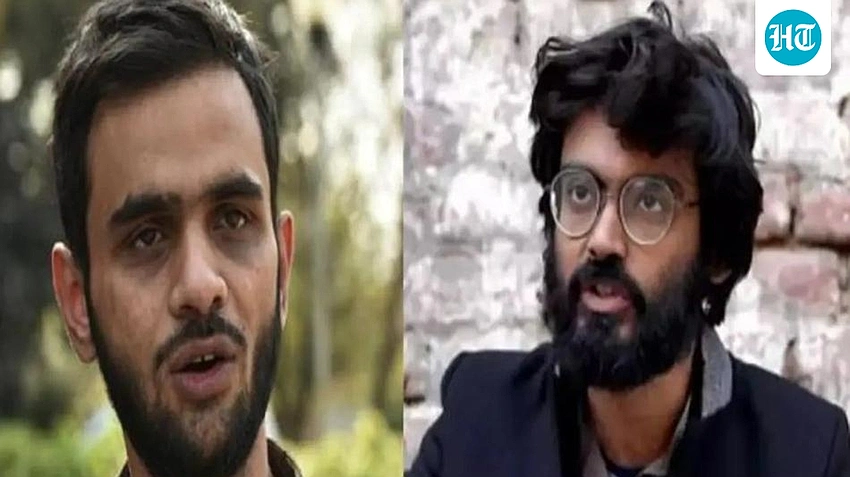
The accused include Umar Khalid, Sharjeel Imam, Meeran Haider, Shifa Ur Rahman, Mohd. Saleem Khan and Gulfisha Fatima, who are facing charges under the UAPA for allegedly conspiring to instigate riots and armed rebellion. Khalid has already spent years in custody, and the police contended that delays in the trial have been largely due to the accused’s arguments rather than procedural issues.
The Solicitor General asserted readiness to complete the trial within six months on facts, but warned that the defense petitions and legal tactics could prolong proceedings for years. While the court weighs these arguments, experts say the government’s framing of the riots as a pre-planned conspiracy could influence how future cases tied to protests and national security are adjudicated. The hearing took place amid ongoing debates about accountability for the violence and the appropriate mechanisms to ensure a transparent and timely process for those charged.
If the court accepts the pre-planned narrative, it could shift public perception and legal strategy surrounding the 2020 Delhi riots, reinforcing the view that the events were more than spontaneous civil unrest and were, instead, a strategically designed incident with lasting implications for civil harmony and national sovereignty.
Cover image source: 2020 Delhi riots were ‘pre-planned’, Supreme Court told during hearing of Umar Khalid, Sharjeel Imam's bail pleas 🔗
