Massive Attack's Mezzanine: How Trip-Hop Crafted the Darkest Soundscapes of the 90s

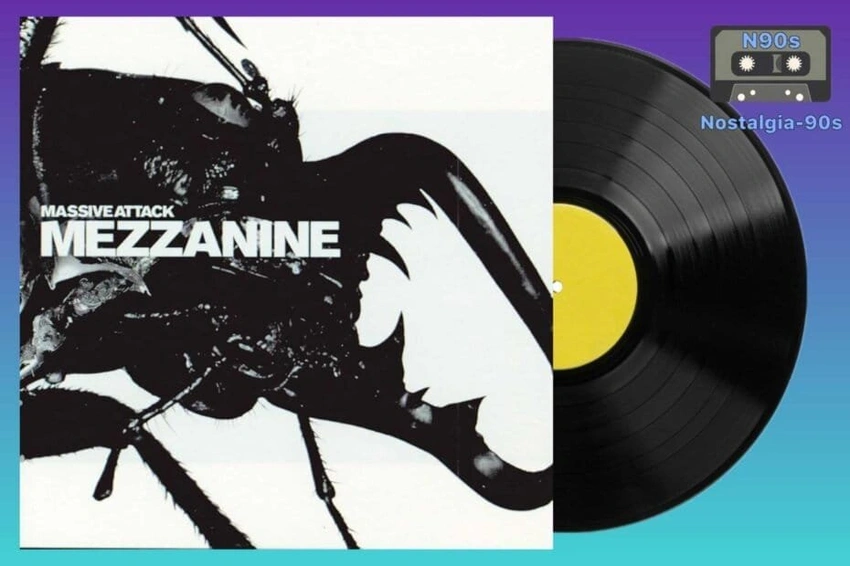
Massive Attack's Mezzanine: How Trip-Hop Crafted the Darkest Soundscapes of the 90s
Explore how Massive Attack's masterpiece Mezzanine defined the dark and moody trip-hop sound of the 90s with heavy basslines and haunting atmospheres.
Remember the late 90s? When music was allowed to be genuinely weird, deeply shadowy, and soaked in cinematic gloom? While pop was getting glossy and shiny, Bristol collective Massive Attack dropped an album that felt like walking through a neon-lit alley at 3 AM.
Released in 1998, Mezzanine did not just define trip-hop, it weaponized atmosphere, proving that bass could be as heavy as any heavy metal guitar.

The Anatomy of Gloom
Mezzanine is a masterclass in tension.
Gone were the warm, jazzy samples of their debut Blue Lines.
Instead, founding members 3D, Daddy G, and Mushroom brought in jagged guitar riffs, claustrophobic electronics, and Elizabeth Fraser's ethereal, haunting vocals.
Essential Tracks That Defined the Era
Let us talk about the heavy hitters that made this album legendary.
- Angel: This track opens with one of the dirtiest, most hypnotic basslines in music history. It builds and builds, waiting to detonate, perfectly matching the gritty attitude of the era.
- Teardrop: Yes, you know it from House M.D., but the song itself is a revelation. Fraser's vocal delivery sounds like a ghost singing from inside a piano, backed by a relentless, ticking-clock beat.
- Inertia Creeps: Dripping with eastern-influenced percussion and sheer psychological dread, this song captures the feeling of being completely overwhelmed by modern life.

Why Does Mezzanine Still Haunt Us?
Decades later, modern electronic and alternative music still owes a massive debt to this record.
It proved that commercial success and uncompromising darkness could happily coexist.
Massive Attack did not care about radio-friendly hooks; they cared about texture, mood, and making you feel something profound.

Login to comment.