Arctic Tensions Rise as Denmark Vows to Defend Greenland

Arctic Tensions Rise as Denmark Vows to Defend Greenland
Arctic security climbs the agenda as Denmark pledges Greenland defense amid US takeover talk, with UK leaders and Danish envoys pushing for dialogue.
Arctic tensions are moving from weather maps to geopolitics as Denmark publicly warns the United States about the consequences of a move to take control of Greenland. A Danish official made clear that Denmark would have to defend itself in the event of an American attack on Greenland, warning that such a step would trigger a devastating NATO response.
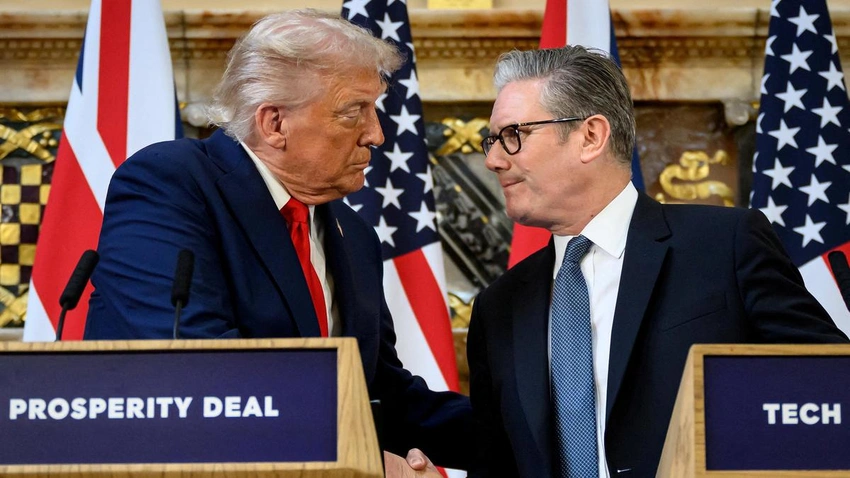
In London, Prime Minister Keir Starmer and U.S. President Donald Trump spoke about Euro-Atlantic security and the need to deter Russia in the Arctic. Starmer said European allies had stepped up to defend Euro-Atlantic interests but that more could be done to protect the region, and he reiterated support for Denmark in decisions about Greenland, arguing that no one else should determine the future of the vast territory.
Meanwhile, Denmark and Greenland envoys to Washington began meetings with U.S. lawmakers and key administration officials to urge caution against Trump’s call for a takeover of Greenland. The diplomacy aims to prevent a crisis while keeping lines open for dialogue that many say is needed.
The week saw White House discussions alongside talks with lawmakers as envoys pressed for restraint, warning that unilateral moves in the Arctic could destabilize an area that already sits at the crossroads of major security interests. The conversations also touched on broader security cooperation in the region, including possible actions to deter threats to maritime traffic and regional stability.
As the Arctic debate continues, observers say the signal is clear: diplomacy remains the priority, even as the parties assert their respective rights over Greenland. The next steps will hinge on practical negotiations, not ultimatums, and on a shared understanding of Arctic security that protects Greenland and its people while maintaining stability across the region.
