Cartel Gold Ends Up at the U.S. Mint, Investigation Finds

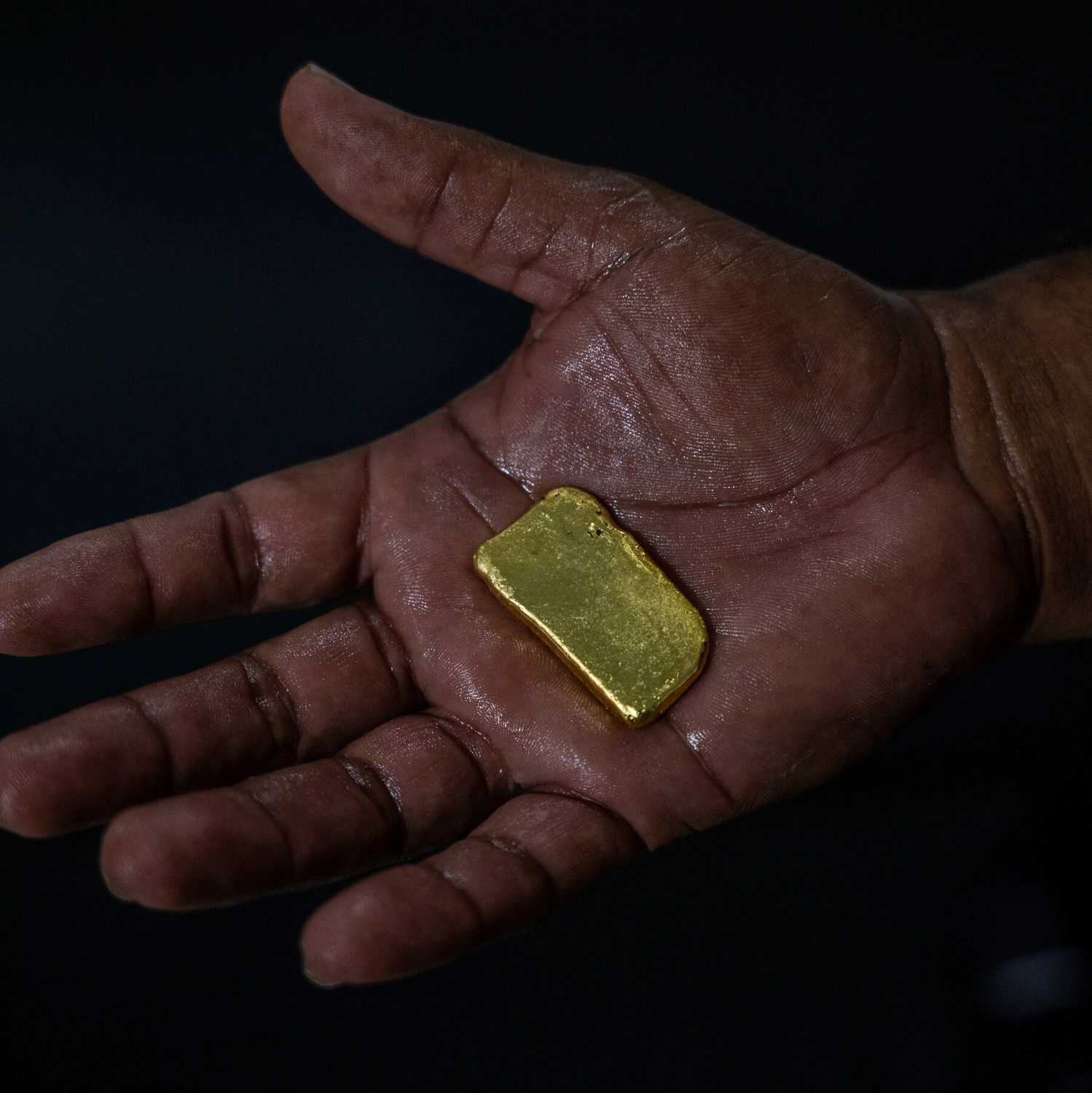
Cartel Gold Ends Up at the U.S. Mint, Investigation Finds
A months-long inquiry traces gold from illegal Colombian mines to a U.S. facility, revealing the Mint’s purchases of foreign, cartel-linked gold marketed as American.
A long-standing rule says the U.S. Mint must sell only legal, domestic gold. Yet a detailed investigation traces parts of its supply chain to foreign sources tied to drug cartels, ending at the Mint’s facilities in West Point.
The report maps a complex route: gold mined illegally in Colombia, routed through unfamiliar buyers and pawn shops abroad, and then sold as American metal once it reaches U.S. shores. In a market where prices for gold have climbed, some guardrails appear to have weakened, allowing tainted material to enter a system assumed to be strictly domestic.
Inside West Point, documents and field observations suggest the Mint has acquired gold that officials described as American, even as sources outside the United States point to foreign origin. The investigation indicates it is the last link in a laundering chain that feeds a lucrative, global market for gold, complicating efforts to trace real provenance.
Further complicating the picture are on-the-record assertions from officers at a Colombian base who denied an illegal, large-scale mining operation was underway nearby. The reporters documented inconsistencies that underscore the challenges of verifying gold’s journey from mine to mint.
The findings raise questions about oversight and transparency in a system trusted to supply legitimate currency material. If confirmed, the connections between cartel-linked gold and U.S. minting could prompt policymakers to tighten sourcing rules and improve traceability across the supply chain.
As gold prices continue to fluctuate, the responsibility to ensure clean provenance falls on multiple actors—from international traders to domestic regulators. The investigation underscores the need for stronger safeguards to prevent illicit gold from entering official channels and to maintain public confidence in a cornerstone of the monetary system.
