Has gym culture officially shifted from strength to biohacking?
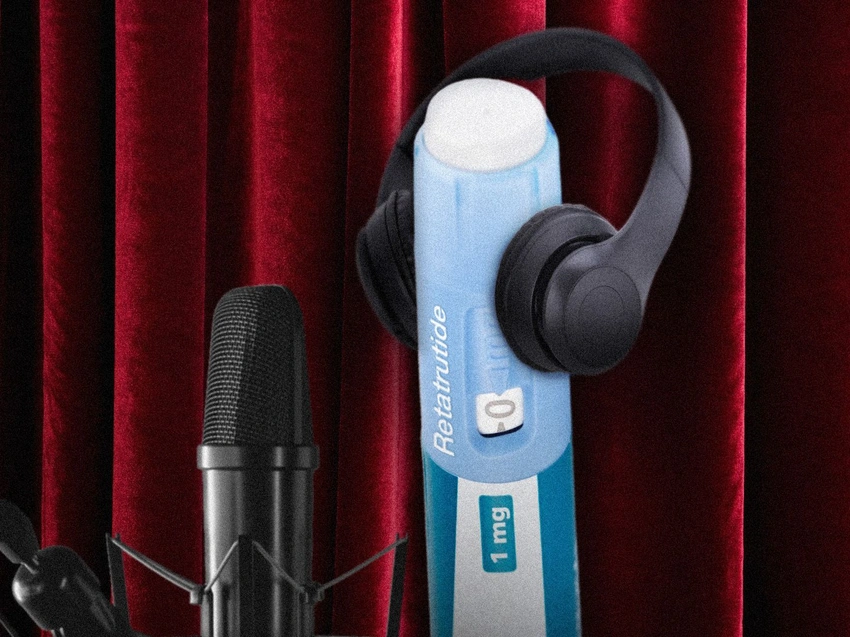
Has gym culture officially shifted from strength to biohacking?
Gym culture used to be about the grind. Now, it is about Retatrutide and biohacking. Are we trading real strength for pharmaceutical shortcuts?
From Heavy Lifting to High-Tech Injections: The End of Fitness as We Know It?
Not long ago, the height of gym-bro supplementation was a questionable pre-workout and a giant tub of whey protein. You showed up, you did the work, and you waited for the results. But walk into any high-end gym today and the conversation has shifted. It is no longer about your PR on the bench press. It is about your dosage of Retatrutide.
We are witnessing a fundamental shift in fitness culture. The era of the natural grind is being overshadowed by an obsession with pharmaceutical biohacking. While peptides like Retatrutide are being hailed as the most effective fat-reduction tools ever created by science, we have to ask ourselves a difficult question. Has the pursuit of health been completely replaced by a desperate need for aesthetic perfection at any cost?
The New Science of Shredding
The buzz around these new peptides is inescapable. For the uninitiated, these compounds are designed to mimic hormones in the body, telling your brain you are full while simultaneously cranking up your metabolic efficiency. It is incredibly effective. In fact, some experts suggest it is the most powerful tool we have ever seen for fat storage reduction.
But here is the catch. When fitness becomes a lab experiment rather than a physical discipline, something vital is lost. The fitness bro archetype used to represent a certain level of grit. Now, it is increasingly about who has the best access to the latest research chemicals.
Biohacking or Just Shortcuts?
Advocates call it biohacking, a way to optimize the human machine. They argue that if science provides a way to burn fat more efficiently, it is only logical to use it. But there is a thin line between optimization and a dangerous obsession with shortcuts.
Consider the long-term implications. When we prioritize a chemical intervention over lifestyle changes, we ignore the underlying principles of wellness.
- Health vs. Aesthetics: Are we using these drugs to be healthy, or just to look shredded for a social media post?
- The Mental Game: Part of the value of fitness is the discipline required. If you remove the struggle, do you still get the mental benefits?
- Unknown Long-Term Costs: We are essentially using the current generation of gym-goers as a massive, unmonitored clinical trial.
Reclaiming the Soul of the Gym
Strength is more than just a low body fat percentage. It is about the resilience built through consistent effort over time. If we trade the barbell for the needle, we are trading a lifestyle for a temporary look. It is time to decide if we want to be athletes or just very well-maintained chemistry projects. The gym should be a place where we build ourselves up, not just a place where we show off the results of a pharmaceutical shortcut. Let us get back to the basics before the fitness industry becomes nothing more than a walking pharmacy.
