Nepal Flood Aftermath: Families Face Legal Limbo for Missing Loved Ones

Nepal Flood Aftermath: Families Face Legal Limbo for Missing Loved Ones
Thousands remain missing after Nepal's devastating August flood. Families like Madan Lal Lawat's are trapped in an administrative nightmare, unable to obtain death certificates or compensation. Discover their struggle.
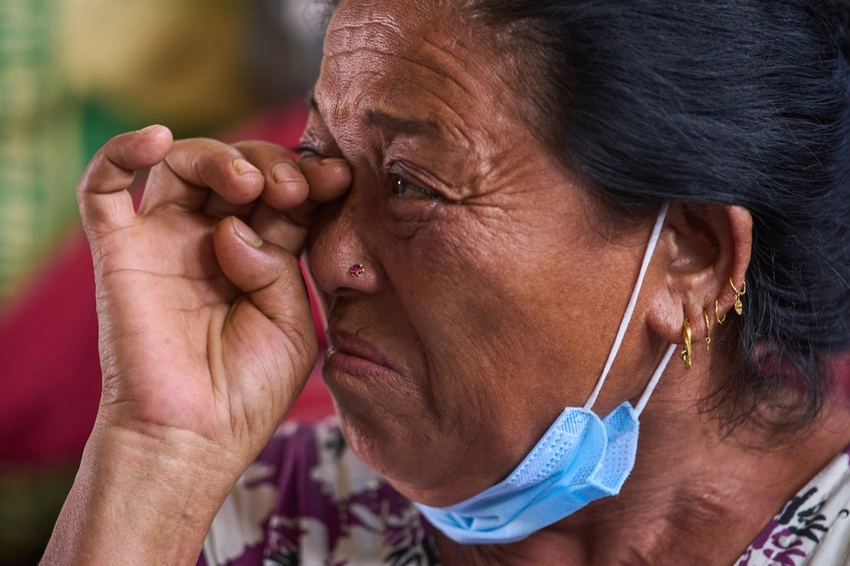
Nepal is grappling with a profound humanitarian crisis following a massive flood in August that tore through the China-Nepal border. With search and rescue operations officially ended, over 5,000 people are still unaccounted for, leaving countless families in a heartbreaking limbo.
For many, the only way to honor their lost loved ones, whose bodies may never be recovered, is through symbolic rites. At the sacred Pashupatinath temple in Kathmandu, families gather to create effigies from "kusha" grass, a poignant gesture in the absence of a physical body for final ceremonies.
Madan Lal Lawat's story epitomizes this struggle. Five of his relatives, including his brother Mangal who tragically died warning others, were swept away.
Though Madan is certain of their demise, the legal system presents a daunting hurdle.
In Nepal, a missing person is only legally presumed dead after a staggering 12 years. While Section 40 of Nepal's Civil Code offers some exceptions, it lacks specific provisions for large-scale disasters like the recent flood.
This legal void has plunged families into an administrative nightmare. Without official death certificates, they are unable to access crucial flood compensation, transfer properties, or process inheritance. The government offers some relief, 25,000 rupees for funeral costs and up to 200,000 rupees in bereavement compensation for the first death, but all depend on a death certificate.
Constitutional law expert Bipin Adhikari highlights the outdated nature of the current law, originally designed for individuals who traveled abroad and were unheard from for years. He argues that with modern technology, information retrieval is far easier, making the 12-year rule impractical for disaster victims.
Lawat's personal attempt to secure death certificates was met with frustration when local officials turned him away, citing ongoing discussions about the issue. The uncertainty is overwhelming. Meanwhile, the scale of destruction is immense: over 1,400 bodies have been recovered, but identification is slow and challenging due to limited DNA processing capabilities.
Authorities have resorted to taking DNA samples and burying unidentified bodies with markers.
More than 7,570 private buildings have been damaged or destroyed, displacing nearly 33,000 people.
Villages like Betrawati, where Lawat resided, were ravaged, leaving behind a landscape of hardened mud and silt and a dire shortage of basic supplies, having been cut off from Kathmandu for days. As families attempt to rebuild their shattered lives, the urgent need for compensation and clear legal pathways remains paramount.
#NepalFloods #MissingPersonsNepal #DisasterAftermath #NepalCrisis
