Protests Erupt in Minneapolis After Fatal ICE Shooting

Protests Erupt in Minneapolis After Fatal ICE Shooting
Protests flare outside a federal building in Minneapolis after the fatal ICE shooting of a 37-year-old woman; National Guard deployed as tensions rise.
Tensions escalated in Minneapolis after a federal immigration agent shot and killed a 37-year-old woman during an operation, prompting days of protests that brought thousands to the streets. The victim, Renee Nicole Good, was a Minneapolis resident whose death has ignited questions about use of force and the reach of immigration enforcement in the city. Demonstrators gathered outside the Bishop Henry Whipple Federal Building, where offices for multiple federal agencies, including ICE, are housed, waving signs that read “ICE Out Now” and calling for accountability. Protesters emphasized their right to peaceful assembly while expressing anger over the circumstances of the shooting, and some confrontations with police occurred as officers sought to maintain distance between the crowd and the building.
On Thursday, Minnesota Governor Tim Walz authorized the state’s National Guard to be staged and ready to support local and state law enforcement in protecting critical infrastructure and maintaining public safety “out of an abundance of caution,” a move described as precautionary and designed to prevent further escalation. While the demonstrations have largely remained peaceful, law enforcement efforts included dispersal tactics such as crowd direction and the use of tear gas and pepper balls on some segments of the crowd as crowds grew and tensions rose.
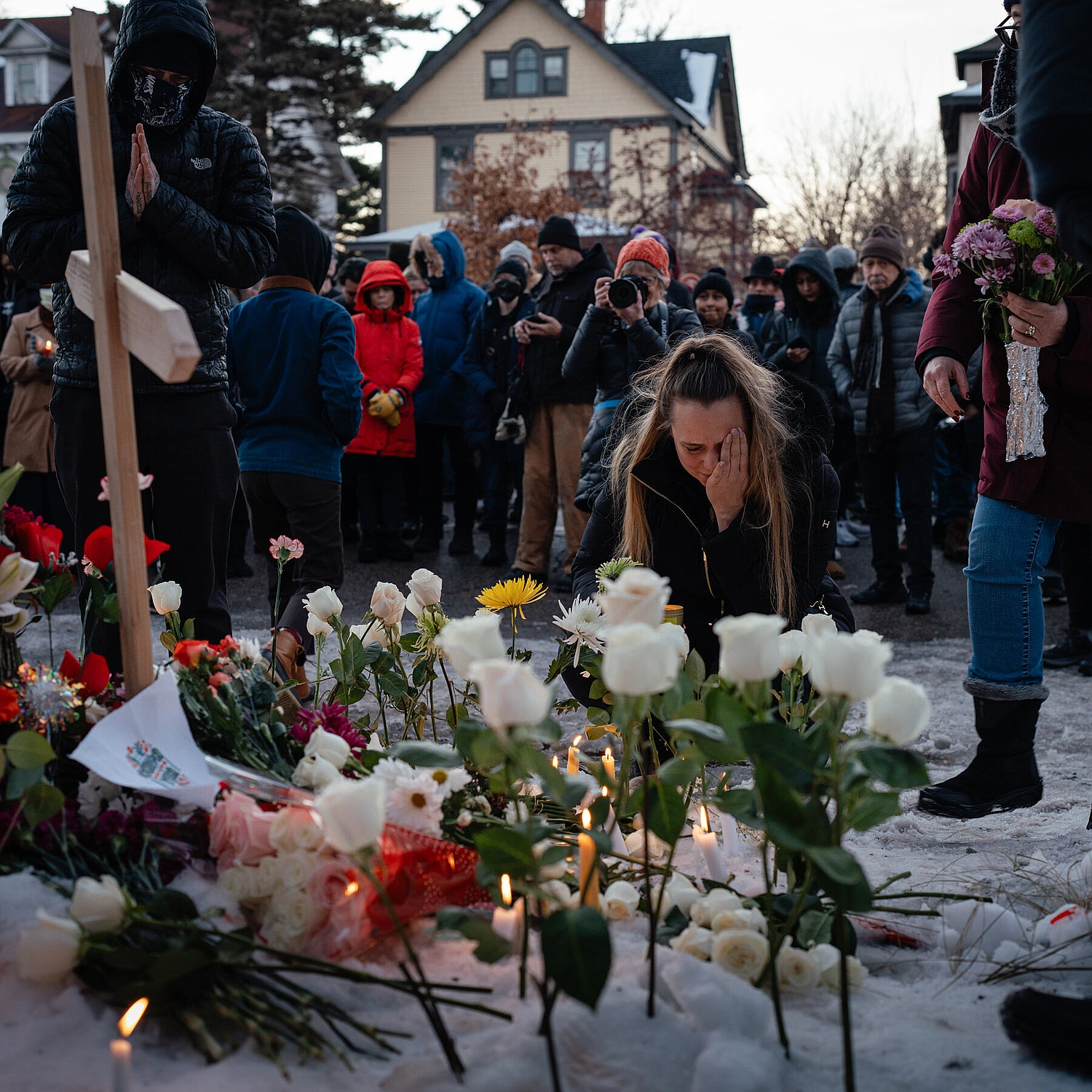
Mourners laid flowers and left a makeshift memorial for Good at the scene as neighbors and community members shared memories of her kindness and the impact she had on those around her. The incident has intensified debates about immigration policing in urban areas and the balance between public safety and civil rights. Community leaders have called for transparency in the investigation and for policies that ensure communities feel safe during encounters with federal agents.
As the investigation unfolds, supporters argue for reform and greater accountability in immigration enforcement, while officials stress that the safety of both officers and residents remains the top priority. The situation in Minneapolis reflects broader national conversations about how immigration operations are conducted and how cities respond when tragedy strikes in the context of enforcement actions.
