Europe Defends Greenland, Rejects Trump's Takeover Push

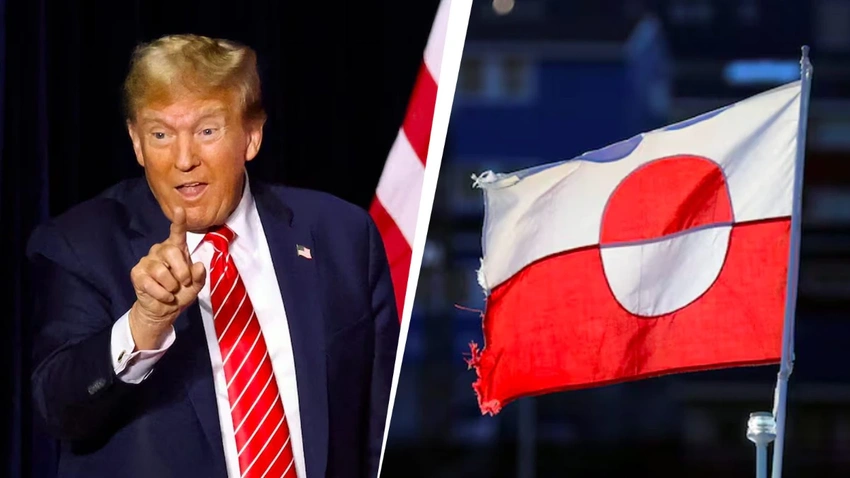
Europe Defends Greenland, Rejects Trump's Takeover Push
European leaders unite to safeguard Greenland's sovereignty, stressing NATO Arctic focus and adherence to international law.
In a coordinated move, European leaders pushed back against U.S. president Donald Trump's discussions about annexing Greenland, emphasizing that the island's status lies with its people and Denmark and must be decided within the framework of sovereignty, international law, and collective security. On Tuesday, a joint declaration was released by the Danish Prime Minister's Office, signed by Emmanuel Macron, Friedrich Merz, Giorgia Meloni, Donald Tusk, Pedro Sánchez, Keir Starmer, and Mette Frederiksen, signaling a unified stance across the continent. The document underscored that Greenland's future should be determined through established norms and that sovereignty and borders must be respected at all times.
Arctic stability, the leaders argued, cannot be separated from universal principles enshrined in the UN Charter. They stressed that security in the Arctic should be achieved collectively, in coordination with NATO allies, including the United States. They highlighted that the Arctic is a strategic priority for NATO and that allied nations are expanding their footprint, presence, and investments to keep the region safe and deter potential aggressors. The declaration reaffirmed that the Kingdom of Denmark, which includes Greenland, is part of NATO, reinforcing the link between Greenland's status and alliance commitments.
By framing the Arctic as a shared responsibility, the statement aims to deter unilateral power plays while reinforcing the rule-based international order. Analysts say the move signals Europe’s intent to preserve transatlantic unity on Arctic issues, even as debate continues in other capitals. Greenland’s people, along with Denmark, are expected to guide its path within this framework, ensuring that any future arrangements honor sovereignty and regional stability.
The Arctic’s rising strategic importance—driven by climate-driven changes and evolving shipping routes—has elevated European engagement in the region. The joint statement portrays the Arctic as a space where security and prosperity depend on cooperation, openness, and adherence to international norms, rather than coercive moves. As the debate over Greenland’s future continues, Europe’s unified message stands as a clear call for diplomacy, legality, and shared responsibility in one of the world’s most sensitive frontiers.
