What Is Canonical Literature and Who Gets to Decide It

What Is Canonical Literature and Who Gets to Decide It
What Is Canonical Literature and Who Gets to Decide It
Explore how societies decide which texts matter, who gets heard, and why the canon remains a political, evolving conversation rather than a fixed list, reshaped by culture, power, and new voices.
If you’ve ever flipped through a syllabus, wandered the stacks of a library or found yourself arguing with a friend about why we still read Shakespeare, then you’ve encountered the idea of the literary canon — even if you didn’t call it that. The notion of canonical literature is not simply about ancient texts gathering dust; it is about how cultures choose which stories matter, which voices are amplified, and which are left on the margins. In my view, this makes canon both fascinating and politically charged.

At its simplest, a literary canon is a body of works widely regarded as essential, influential, and exemplary within a particular culture or tradition. These are texts deemed worthy of study, discussion and preservation because they have shaped conversations about human experience across generations. But the story behind the canon is never quite so straightforward as a checklist of great books.
What Do We Mean by ‘Canonical’ Literature?
The term canon originates from the Greek kanôn, meaning a measuring rod or a standard. In literary discussions, it refers to the works that have been accepted — by an influential group of teachers, critics, editors, and institutions — as representative of significant cultural and artistic achievement. These works function as benchmarks: they inform how we assess style, thematic breadth, and intellectual depth in literature.
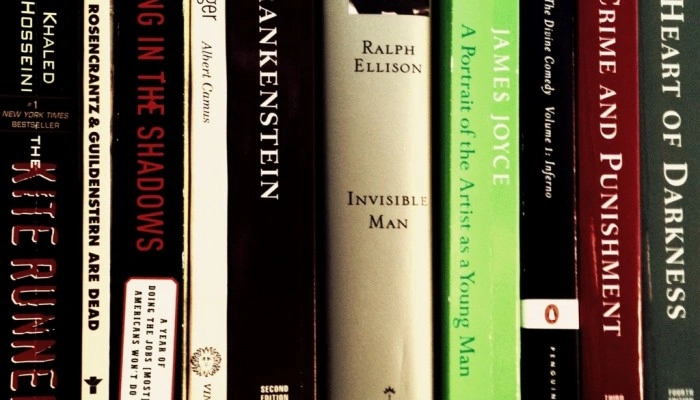
In practice, canon encompasses novels, poems, plays and essays that appear consistently in academic syllabi, anthologies, and cultural conversations. Think of texts like Homer’s epics, Shakespeare’s plays, Austen’s novels or Toni Morrison’s Beloved. These works are frequently treated as touchstones not only in literary study but in broader cultural literacy.
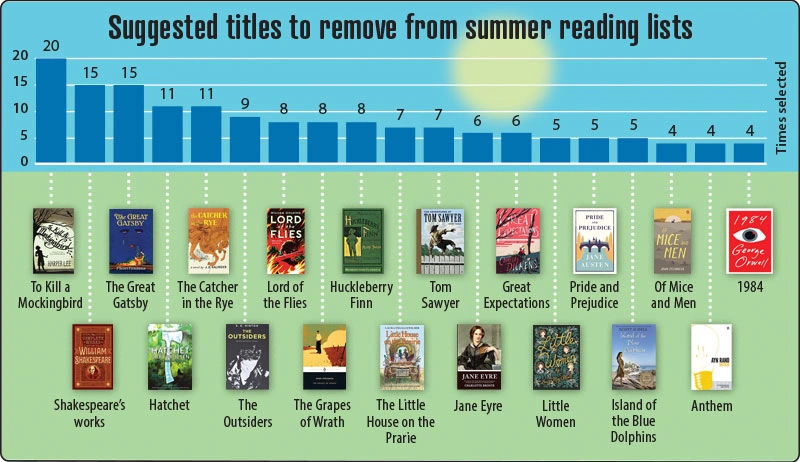
But the canon is not an official, sacrosanct list stored in some hidden vault. There is no universally agreed “List of Canonical Works”. Rather, what we call the canon is constantly negotiated — a living conversation that shifts over time.
Who Decides What’s Canonical? The Power Behind the List
This question of who gets to decide? is where the canon becomes contestable.
Historically, the selection of canonical works was heavily influenced by an elite cohort: established academics, critics, publishers, and educational institutions. These gatekeepers, often drawing from traditions rooted in Western European perspectives, shaped what generations grew up believing to be the foundational texts of literature. In the United States and the United Kingdom, for example, canon formation was long dominated by the tastes of white male scholars whose choices reflected the values, anxieties, and assumptions of their time.
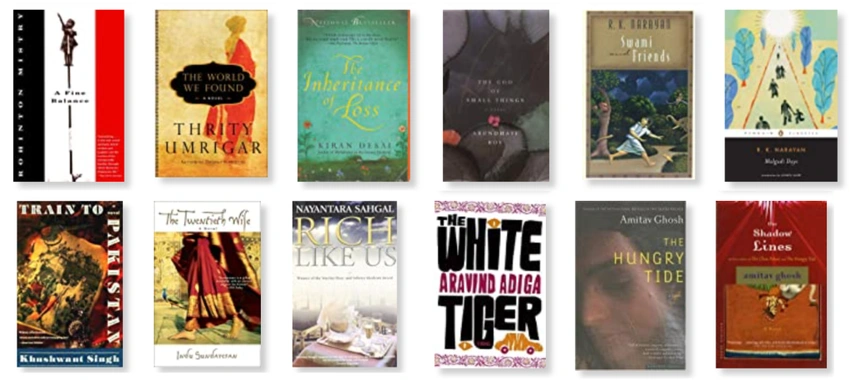
One famous figure in this conversation is Harold Bloom, whose The Western Canon defended a set of “central” writers against what he called the “school of resentment” — critics who sought to broaden the canon to include marginalised voices. Bloom’s work, while influential, sparked as much debate as it resolved, precisely because it dramatized the tensions inherent in canon formation.
Crucially, there is no official list compiled by an all-powerful committee. Instead, the canon emerges out of overlapping consensus: what professors decide to teach, what publishers choose to reprint, what critics deem worthy of serious attention, and increasingly how broader cultural movements challenge or expand these norms.
The Canon as Cultural Conversation: Inclusion and Exclusion
In recent decades, debates about the canon have become more urgent and more democratic. Critics have pointed out that traditional canons often excluded women, writers of colour, queer voices and authors outside the dominant cultural centres of Europe and North America. This exclusion hasn’t simply been an oversight: it reflects power structures embedded in literary institutions, curricula, and publishing practices.
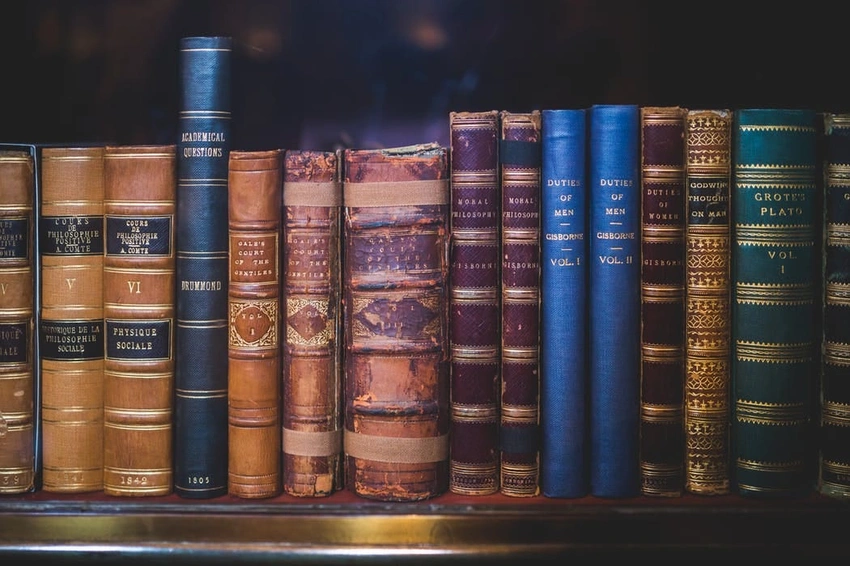
The result has been not a rejection of the canon per se, but a re-evaluation of what counts as canonical. Instead of a single, monolithic canon, many scholars and educators now argue for multiple canons — regional canons, genre canons, and canons that reflect historically marginalised perspectives. These approaches do not necessarily reject the importance of classic works; rather, they seek to broaden the field of what we consider essential reading.
This rethinking is not just academic hair-splitting. When a classroom includes diverse canonical voices, students encounter a richer array of experiences and worldviews. When syllabi expand to include global literature, we see not only new narratives but new ways of imagining literary value. The canon then becomes less a static shrine and more a dialogue with our collective cultural inheritance.
The Canon as an Ongoing Story
To approach canonical literature as fixed and immutable is to misunderstand both its history and its potential. The canon is better understood as a conversation across time — one that reflects not only enduring artistic achievement but also the changing priorities, conflicts, and communities that shape literary culture.
As readers and participants in that culture, we don’t simply inherit the canon; we engage with it, challenge it, and, at times, transform it. Asking “Who gets to decide?” is not a challenge to abandon tradition but an invitation to think critically about how power, representation, and cultural value intersect in literature.
In that sense, canon remains one of the most compelling ideas in literary study precisely because it is never finished.
