Orkut's Founder Wants a 'Human Internet.' Can It Beat AI Social Media?

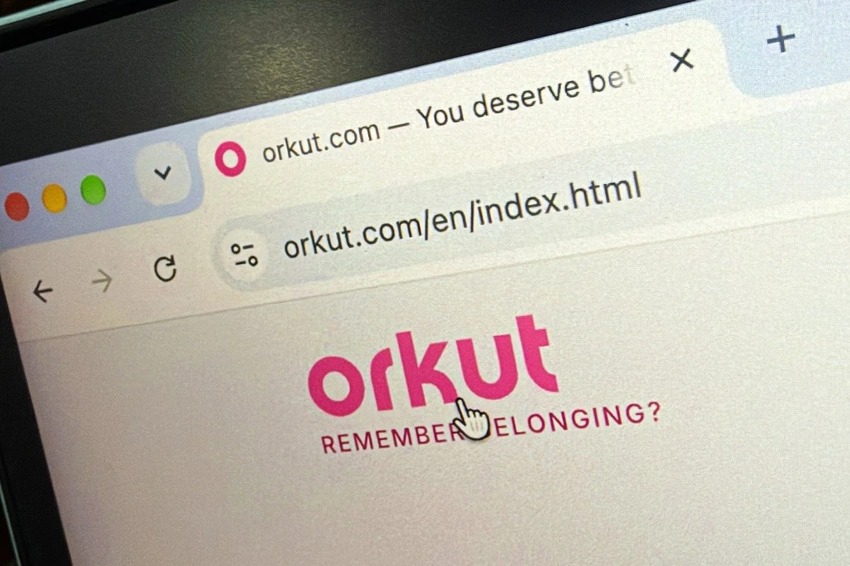
Orkut's Founder Wants a 'Human Internet.' Can It Beat AI Social Media?
Orkut's founder is taking aim at algorithms and AI, calling for a return to genuine human connection online. But can nostalgia compete with today's tech-driven social platforms?
Remember when social media felt, well, social ? Before algorithms dictated every feed and AI-generated content began blurring the lines of authenticity, there was a simpler internet. Now, Orkut Büyükkökten, the founder of the once-mighty social network Orkut, is aiming to bring that era back, challenging the very foundation of modern social media.
Büyükkökten is rallying users to support the return of Orkut, not just as a nostalgic trip, but as a renewed focus on 'friendship, community, and human connection.' He's critical of how platforms have evolved, particularly the growing influence of AI and algorithms. As he puts it, 'Artificial intelligence is extraordinary technology, but it’s dissolving the one premise that made social networking special and worth building: that there was a person on the other side.' It’s a powerful statement that resonates with many who feel adrift in the current digital landscape.
Orkut, which debuted in 2004 as a side project, was a behemoth in places like India and Brazil before Facebook's ascent led to its shutdown in 2014.
He launched Hello in 2016, which attracted over 2 million downloads before closing in 2020.
His vision for a more authentic online space has clearly been a long-standing one, even hinting at new ventures in 2022 and discussing a future platform that would 'leverage AI and machine learning' to build communities, paradoxically, to foster human connection.
But the big question looms: Can a platform centered on 'authentic people, real connection, and genuine belonging' truly compete with the colossal, AI-driven social media empires of today? We're immersed in feeds curated by complex algorithms designed to maximize engagement, often at the expense of genuine interaction.
The very fabric of online socializing has been rewoven around these intelligent systems, making Büyükkökten's call for a 'human internet' feel almost revolutionary, yet incredibly challenging.
Bringing back Orkut, or any platform with this philosophy, would require more than just nostalgia.
It needs a compelling answer to the allure of instant gratification and endless content that AI-powered feeds provide.
It's an intriguing proposition, a digital sanctuary focused on quality connections over endless scrolling.
Whether the world is ready to unplug from the algorithm and reconnect with the human on the other side remains to be seen, but the conversation itself is a vital one for the future of our online lives.
