Syria and Kurdish Forces Reach Permanent Truce and Integration

Syria and Kurdish Forces Reach Permanent Truce and Integration
A landmark ceasefire becomes a permanent truce, paving the way for Kurdish-led forces to join Syria's army and for Damascus to consolidate control in the northeast.
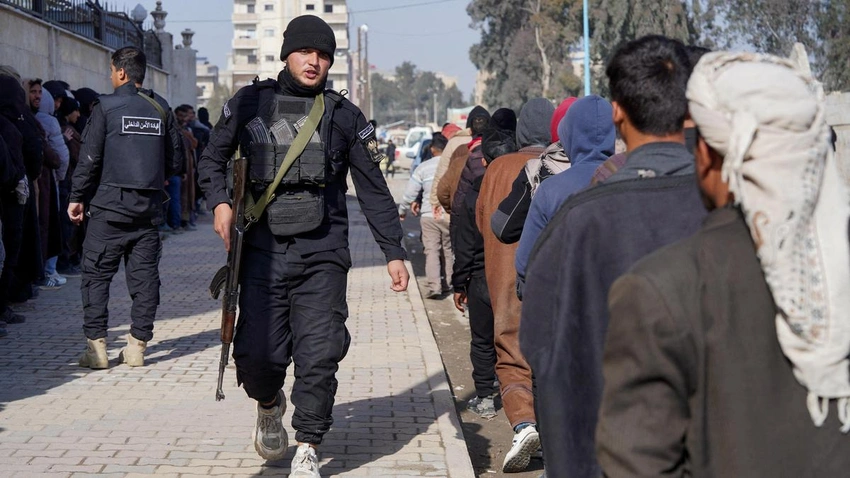
The Syrian government and Kurdish-led forces have reached an agreement to extend a fragile ceasefire into a permanent truce, laying a framework for integrating Kurdish forces into the state and ending nearly a month of fighting. The deal appears to resolve escalating tensions over Kurdish autonomy in north-east Syria and opens a path for the Kurdish-led Syrian Democratic Forces (SDF) to join Syria’s new army through negotiations rather than battle. It marks a milestone for Damascus, which has long sought to extend its control over the entirety of the country after 14 years of conflict fought among competing militias and powers. The SDF had previously controlled a sizable portion of the country and its main oilfields, presenting a significant challenge to the fledgling state’s authority. The arrangement followed a government push into north-east Syria aided by Arab and tribal elements that reduced SDF-held territory by about 80%.
Under the agreement, both sides would pull fighters back from the frontlines in north-east Syria, and government security forces would enter the cities of Hasakah and Qamishli, the Kurdish authority’s strongholds. The SDF would be integrated into the army, and the Syrian state would absorb the Kurdish civilian institutions. A new military brigade would be formed within the Syrian army, incorporating three SDF brigades and placing SDF fighters under government command in Aleppo. The Kurdish authorities would see their autonomous governance shrink significantly, with a gradual shift toward integration within the state’s security and civil administration frameworks.
The deal signals a shift from separation toward cooperation and negotiated incorporation, addressing a long-running dispute over Kurdish autonomy. The SDF had previously reserved a de facto autonomous zone in parts of north-east Syria, operating its own governance and security structures. By absorbing civilian institutions and integrating military units, Damascus aims to restore nominal central control while offering a pathway for Kurdish leaders to participate within a unified state apparatus. Observers say the agreement could reduce fighting and civilian disruption in key border areas, though many will watch closely for the pace of implementation and any potential flashpoints in cities once viewed as Kurdish heartlands.
If implemented, the agreement could redefine the balance of power in the region and shape Syria’s political future for years to come. It opens a channel for ongoing negotiations on the structure of the post-conflict state and how Kurdish oversight within the north-east will evolve as part of a broader national framework.
