Good Cop, Bad Cop: Effective Tactic or Ethical Minefield?

Good Cop, Bad Cop: Effective Tactic or Ethical Minefield?
Is the 'good cop, bad cop' strategy a savvy diplomatic play or a dangerous gamble? We unpack its ethics and effectiveness, especially in high-stakes international talks like those involving the US and Iran.
“Good Cop, Bad Cop” isn’t just for Hollywood interrogation rooms or even local precinct drama. It’s a high-stakes play increasingly seen on the global stage, especially when navigating fraught international relations. But the burning question remains: Is this tactic ever truly ethical or even effective beyond the silver screen, particularly in complex diplomatic arenas?
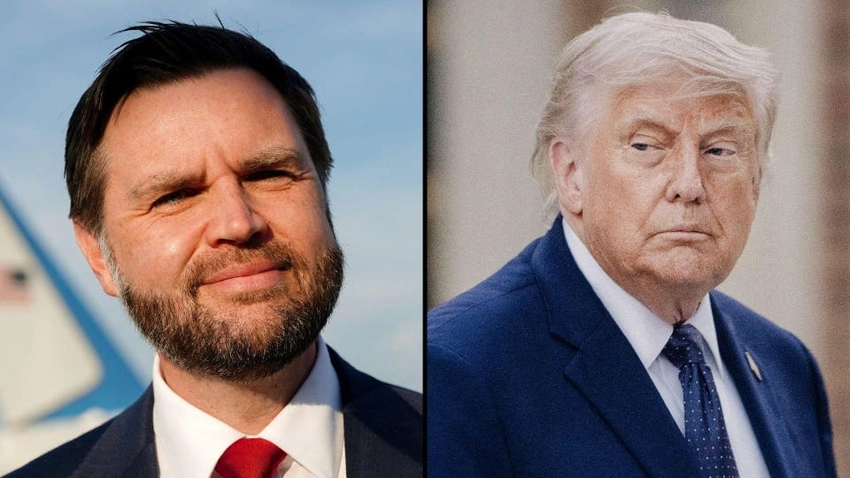
Consider the reported dynamic, for instance, between figures like Vance and Trump in discussions surrounding the U.S.-Iran memorandum and understanding. The premise is straightforward: one side (the 'bad cop') adopts a hardline stance, applying immense pressure, perhaps through sanctions or uncompromising rhetoric. The other (the 'good cop') then emerges as the seemingly more reasonable, open-to-dialogue counterpart, offering a path to compromise. The implicit goal? To make the adversary, in this case, Iran, gravitate towards the 'good cop’s' less punitive terms, driven by relief or a desire to avoid the 'bad cop’s' wrath.
From a strategic standpoint, the perceived benefits can be tempting. This dual approach can create a facade of flexibility, allowing one side to deny the harsher stance of the other. It might also help manage internal dissent within a negotiating team, channeling different viewpoints into a unified, albeit layered, strategy. Ultimately, proponents argue it could extract concessions that a uniformly hard or soft approach might not.
However, the ethical and practical pitfalls are considerable. As Dr. Jonathan Schanzer, executive director at the Foundation for Defense of Democracies, often highlights in his analyses of such intricate geopolitical maneuvers, the reliance on strategic deception in international relations is a double-edged sword. While Vance and Trump’s reported approach might be an example of this, Dr. Schanzer’s work frequently underscores the need for clear, consistent policy, something a 'good cop, bad cop' routine inherently complicates. Is it ethical to manipulate a sovereign nation through a staged display of internal division? Does it foster genuine trust, which is often crucial for lasting agreements, or merely compel short-term compliance born of fear?
The effectiveness, too, is far from guaranteed. First, there’s the risk of trust erosion. If the target state perceives the tactic for what it is, a calculated manipulation, it can breed deep resentment and suspicion, poisoning future interactions. If exposed, both 'cops' lose credibility, appearing disjointed or deceitful. Second, misinterpretation is a constant danger. A nation like Iran might misread the signals entirely, viewing the 'bad cop's' aggression as the true policy intent and escalating tensions rather than de-escalating. What looks like a calculated dance from one side might look like chaotic belligerence from the other.
Moreover, this strategy demands near-perfect coordination and execution. Any slight misstep, any deviation from the script, can expose the tactic, making both players look either weak, foolish, or utterly untrustworthy. The Foundation for Defense of Democracies' focus on robust foreign policy often implicitly argues against such opaque strategies, advocating for strength paired with clarity.
In the high-stakes world of diplomacy, especially concerning sensitive issues like a U.S.-Iran memorandum, relying on such a theatrical, manipulative strategy walks a very fine line. Its ethics are, at best, debatable, and its effectiveness hinges on an almost impossibly predictable adversary, a condition rarely, if ever, met in international relations. Perhaps, in the long run, transparency, consistency, and clear-eyed, albeit firm, communication offer a more robust and sustainable foundation for engagement than any Hollywood script.
#USIranRelations #DiplomacyTactics #ForeignPolicy #GoodCopBadCop
