Concert Halls: Star Wars or Mozart?

Concert Halls: Star Wars or Mozart?
Are movie scores replacing classical music in our concert halls? Is this cultural progress or a downgrade? Let's dive into the debate shaping the future of orchestral performances.
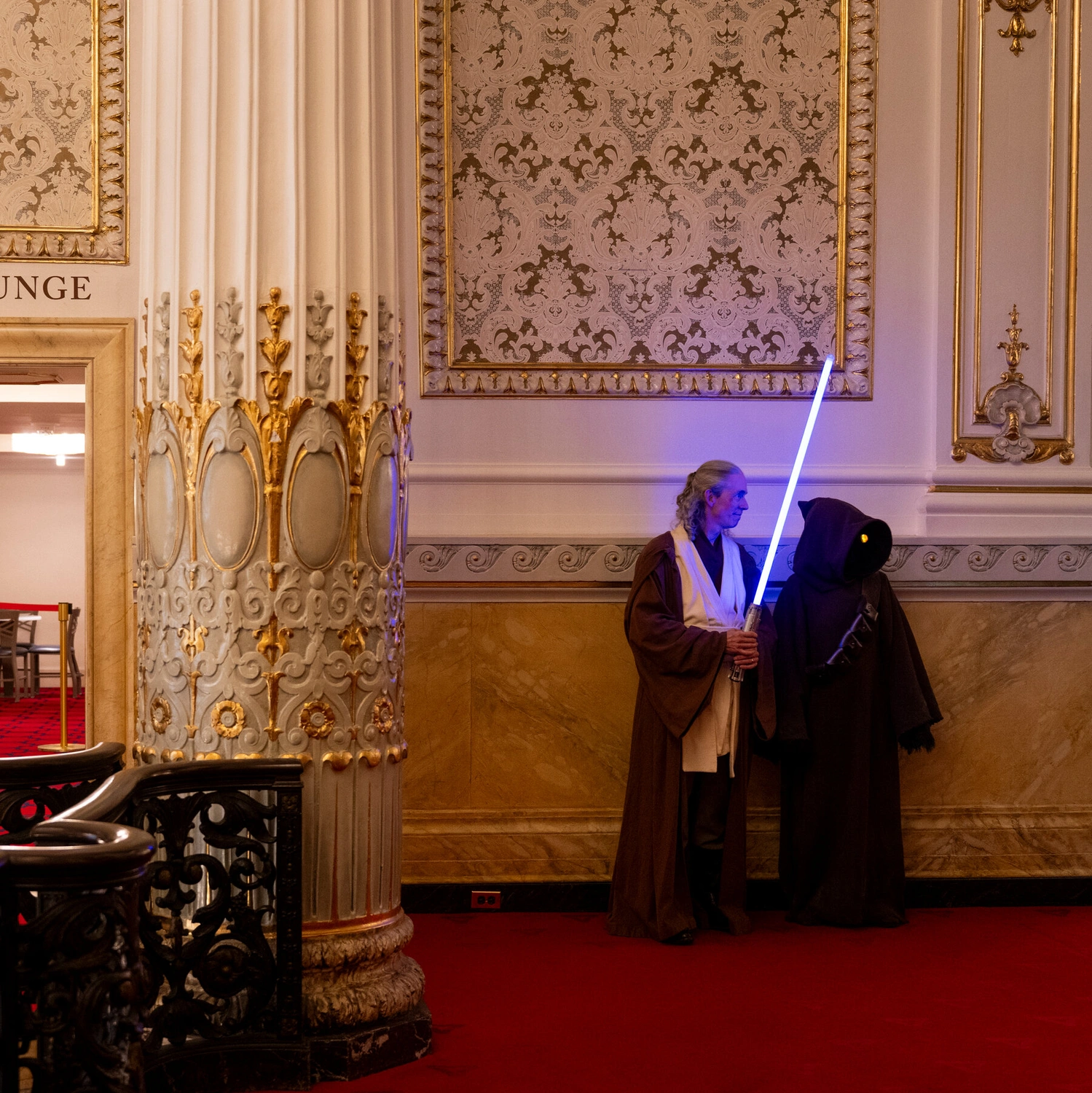
The grand concert hall, once the hallowed domain of Beethoven, Bach, and Brahms, is now often echoing with the soaring themes of Star Wars or Harry Potter. Is this a sign of vibrant evolution, bringing new life and new audiences to orchestral music, or is it a troubling commercialization, a cultural downgrade that risks eroding the very essence of classical performance?
On one hand, you can't deny the sheer energy and excitement these "film in concert" events generate. They're selling out venues, attracting crowds who might never otherwise step foot inside a symphony hall. For many, a live performance of John Williams' iconic scores is their first taste of a full orchestra's power. This accessibility is a huge win. It introduces new generations to the magic of live orchestral sound, potentially inspiring them to explore beyond the familiar. And let's be real, orchestras need to pay the bills. These blockbusters are box office gold, helping to subsidize more traditional programming.
But then there's the other side of the coin. Critics worry that by prioritizing popular movie scores, orchestras are neglecting their core mission: preserving and performing the rich, complex legacy of classical music. Is trading Mozart for Marvel really a step forward? While many film scores are incredibly well-crafted, are they truly designed for the same kind of deep, contemplative listening experience as a symphony? There's a fear that this trend dumbs down the concert experience, reducing orchestras to glorified jukeboxes for cinematic nostalgia rather than living, breathing interpreters of profound artistic works.
It's not an either/or situation. There's room for both. The challenge lies in finding a balance. Movie score concerts can serve as a fantastic gateway, but they shouldn't become the only gateway, or worse, replace the classical canon entirely. Orchestras have an opportunity here: to use the draw of blockbuster scores to introduce new patrons to the broader world of orchestral music, perhaps pairing a film suite with a contemporary classical piece, or dedicating a portion of their programming to both.
Ultimately, art evolves. Music always has. The question isn't whether film scores belong in the concert hall, but how we ensure that their presence enriches the orchestral landscape rather than diminishes it. It’s about expanding the tent, not tearing down the walls. Let’s make sure we’re cultivating appreciation for all kinds of orchestral brilliance, not just the one that comes with a popcorn bucket.
