Trump Admin Pays $765M to Scrap Wind Projects, Boost Fossil Fuels!

Trump Admin Pays $765M to Scrap Wind Projects, Boost Fossil Fuels!
The Trump administration pays another $765 million to cancel offshore wind projects, bringing total buyouts to $2.6 billion. A strategic move to halt green energy and boost fossil fuels. What does this mean for America's
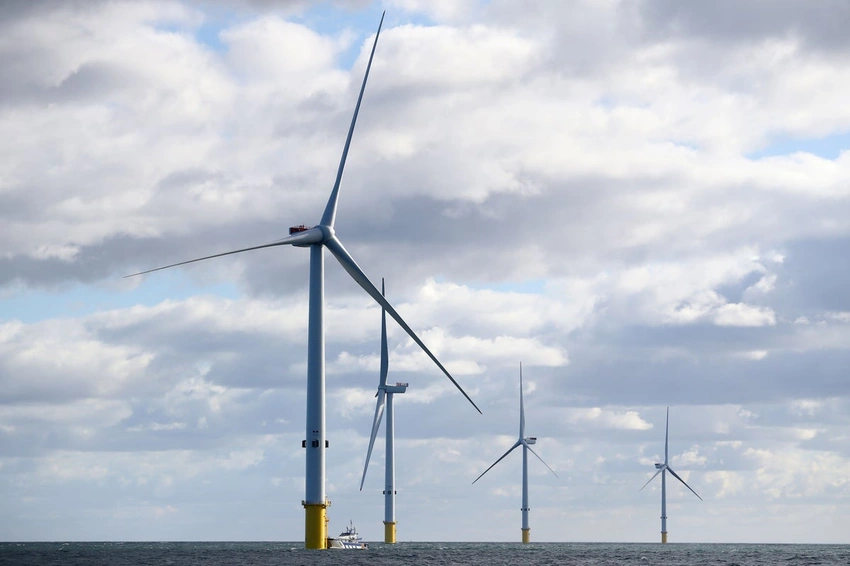
The Trump administration has announced another significant payout to cancel offshore wind projects, agreeing to pay Chicago-based Invenergy $765 million to terminate four of its leases. This latest deal brings the total expenditure on abandoning offshore wind developments to nearly $2.6 billion, marking the third such agreement by the Interior Department.
Invenergy, a major energy company, plans to redirect these funds into natural gas and geothermal projects, asserting that these technologies can be developed more rapidly than offshore wind. One of the cancelled projects, Leading Light Wind off New Jersey, was already terminated in November, with others located off the coasts of Maine and California.
This strategy is a clear move by the Republican administration to impede the growth of offshore wind farm development, a technology President Donald Trump has frequently criticized and called "ugly." Conversely, it aims to bolster fossil fuel projects, which he actively supports. This approach comes after federal courts previously blocked Trump's attempts to halt offshore wind development through executive action.
Interior Secretary Doug Burgum praised the move, stating, "Under President Trump, companies are shifting investment back toward dependable, secure energy infrastructure that can power our economy and lower utility costs." He added, "We applaud Invenergy for recognizing the importance of baseload power and investing in energy solutions that deliver real benefits to American consumers."
However, critics like Hillary Bright, executive director of offshore wind advocacy group Turn Forward, argue that these buyouts are not genuine "swaps." She pointed out that replacing coastal offshore wind with geothermal or natural gas infrastructure in a different region does nothing to address pressing concerns like rising ratepayer affordability, reliability challenges, or potential power supply gaps in the states where the wind farms would have operated.
