Afrika Bambaataa Dies at 67, Hip-Hop Pioneer Remembered Amid Controversy

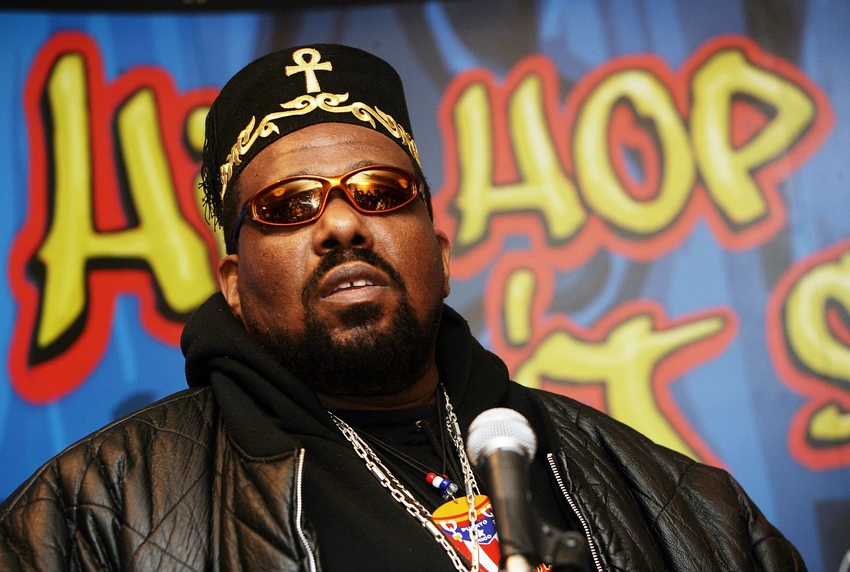
Afrika Bambaataa Dies at 67, Hip-Hop Pioneer Remembered Amid Controversy
Hip-hop icon Afrika Bambaataa dies at 67 in Pennsylvania; legacy spans groundbreaking music and controversial abuse allegations.
Afrika Bambaataa, a towering figure in hip-hop who helped shape the soundscape of a generation, has died at 67. Reports say he died around 3 a.m. today in Pennsylvania, from complications tied to cancer. Born Lance Taylor in the Bronx, he became one of rap’s early architects and a founding member of the Zulu Nation, a collective that sought to blend music, dance, and social unity.
Beyond his role as a DJ, producer, and rapper, Bambaataa helped fuse rap with electronic music, setting a template that many artists would later explore. His 1982 track 'Planet Rock' is often cited as among the first to join hip-hop with electronic and dance-floor sensibilities, paving the way for continental crossovers and the broader sound of early 80s hip-hop.
His career also carried a heavy burden. In later years he faced multiple accusations of sexual abuse of young men and was the subject of civil lawsuits. Those allegations and legal actions complicated the way fans and scholars remember him, forcing discussions about accountability in a genre built on community and mentorship.
Tributes from peers and fans reflected the duality of his impact: on the one hand, a pioneer whose work helped broaden the possibilities of sound, on the other, a figure whose actions sparked serious questions about power, consent, and responsibility in the music world. The complexity of Bambaataa’s legacy mirrors the larger reckoning in cultural history, where artists can contribute to culture while simultaneously asking to be held accountable for harm.
As the music industry continues to process those contradictions, Bambaataa's contributions to hip-hop and dance music endure in recordings, playlists, and in the stories of those who remember the Bambaataa era as a transformative moment in street culture. His life illustrates how a single career can illuminate both breakthrough art and painful controversy, prompting ongoing conversations about ethics and the responsibility of artists and their communities.
Pennsylvania's memory of the music scene may continue to debate his place in history, balancing his role as a creator of groundbreaking sound with the serious allegations that clouded his later years. In remembering figures like Bambaataa, observers are urged to celebrate innovation while acknowledging the pain of victims and the need for accountability.
