Florence Pugh's Stand: Is Social Media Silencing Women?

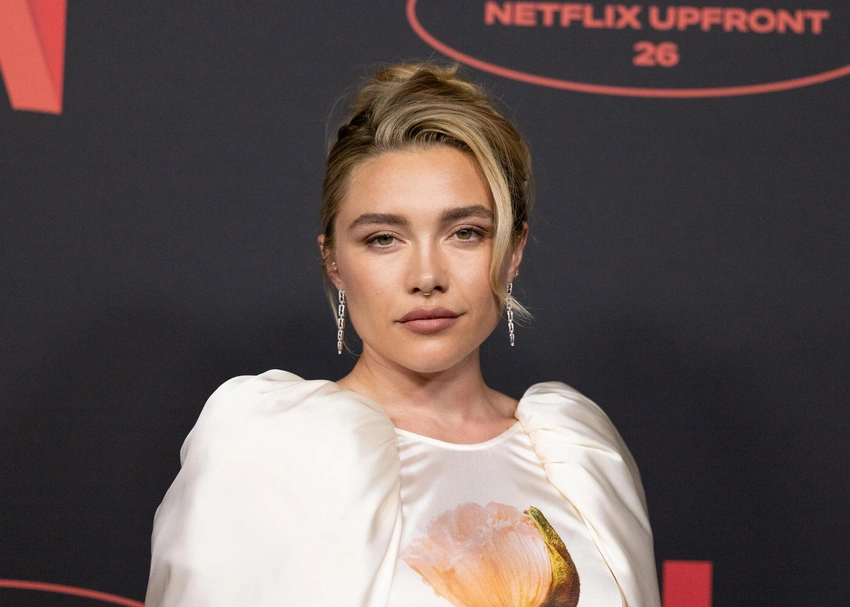
Florence Pugh's Stand: Is Social Media Silencing Women?
When Florence Pugh spoke out about the Cornell 7 sexual assault case, Instagram censored her. Is this about protecting users, or stifling crucial conversations? Let's unpack the complex role of social media platforms.
Florence Pugh, a voice often celebrated for its authenticity, recently found herself in an unexpected battle with Instagram. Speaking out passionately on the horrific sexual assault allegations surrounding the “Cornell 7,” she encountered a frustrating barrier: a content warning. It sparked a critical conversation about the true role of social media platforms.
Pugh's initial posts addressed the accusations against seven male students at Cornell University, who are alleged to have drugged and gang-raped a female classmate. Her sentiments resonated deeply with many, particularly her candid admission: “Rape is something that lives.
The fear of it lives in our bodies, and when stories like this come out... it makes me feel scared, it makes me feel anxious, it made me feel so much rage.” It's a raw, powerful statement that highlights the visceral impact such incidents have.
Yet, Instagram flagged her content, labeling it as “upsetting.” Pugh’s response was immediate and pointed, calling out the platform for “blocking” her statement. As she later put it, it's
another shock that women are censored, even when they go through these things, they can’t talk about it.
This isn't just about a celebrity's post; it's about the broader implications for advocacy and the voices of those affected by sexual violence.
Platforms often deploy content warnings with the stated aim of protecting users from graphic or disturbing material. However, when these warnings are applied to discussions about sensitive topics, particularly those advocating for justice or raising awareness, the line between protection and silencing becomes blurry.
Is a content warning on a post condemning sexual assault truly safeguarding users, or is it inadvertently stifling a vital conversation that needs to be had openly?
The Cornell 7 case itself underscores the complexities. With only two of the accused reportedly expelled despite severe allegations, the official systems often appear inadequate.
In such scenarios, social media frequently becomes a crucial, if imperfect, arena for public discourse and calls for accountability.
When even prominent voices like Pugh's face limitations, what message does that send to everyday individuals trying to speak their truth?
This incident forces us to confront a significant challenge: how do we empower platforms to moderate genuinely harmful content—hate speech, explicit violence—without simultaneously suppressing advocacy for critical social issues? Pugh’s plea for men to be “as horrified and as sickened as us” and to lead these conversations highlights the collective responsibility required.
Beyond the Content Warning: What's Next for Digital Advocacy?
The experience of Florence Pugh is a potent reminder that the tools designed to connect us can also, unintentionally or otherwise, mute essential dialogues. We must demand greater transparency and nuance from social media companies regarding their content moderation policies, especially concerning sensitive social justice topics.
The ability to speak out, even on uncomfortable truths, is paramount, particularly for women advocating against systemic issues. How can we ensure these platforms truly facilitate, rather than hinder, the urgent conversations our society needs?
