China's AI Ascent: Powering Global Tech & Shaking Up the Race!

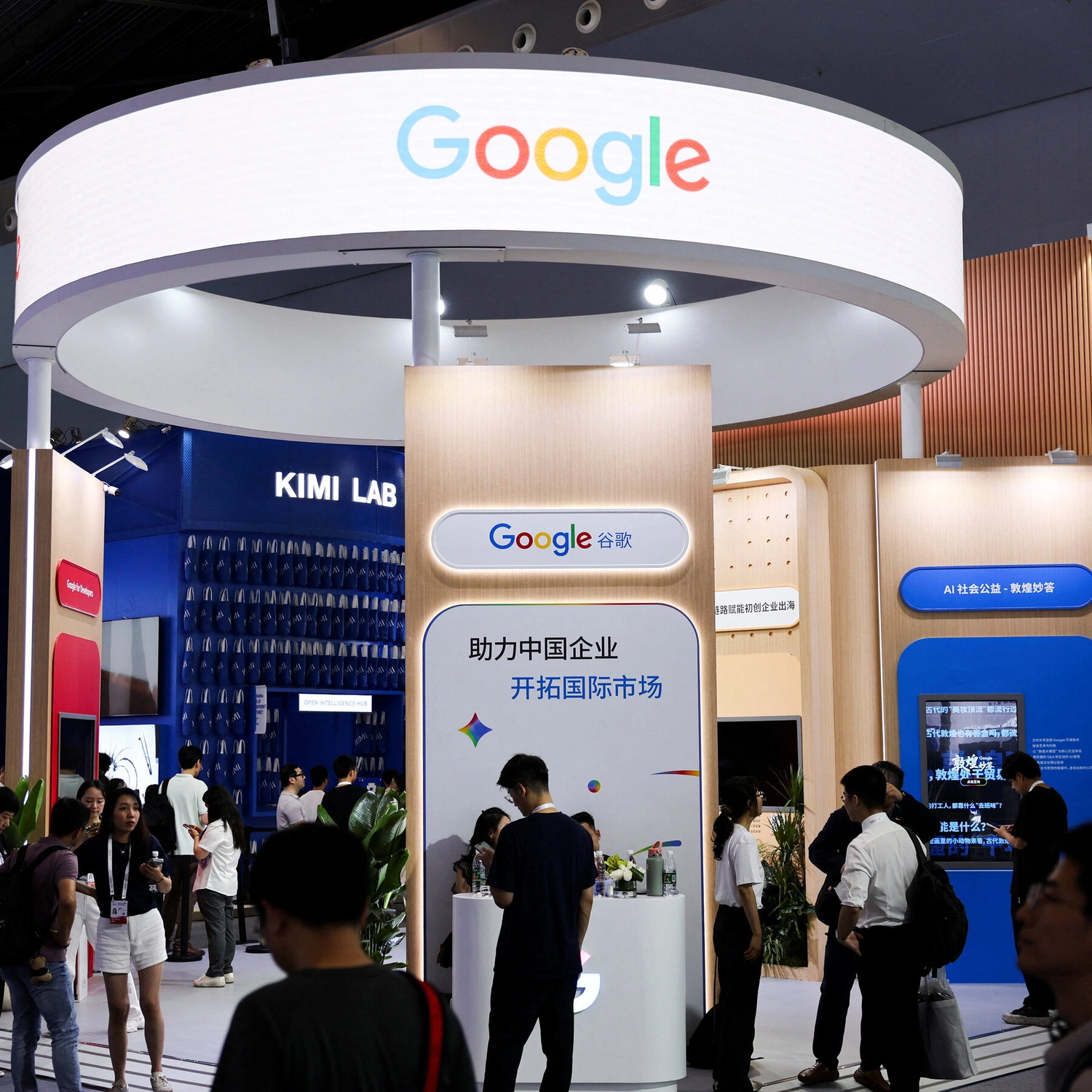
China's AI Ascent: Powering Global Tech & Shaking Up the Race!
China isn't just building AI; it's aiming to reshape the global AI landscape, from data influence to funding strategies. Dive into the intense US-China tech rivalry!
China is rapidly accelerating its artificial intelligence capabilities, not only developing its own advanced models but also actively pushing to establish its "discourse power" on the global stage. This ambitious strategy aims to ensure that Beijing's narratives and technological frameworks increasingly influence the world's burgeoning AI sector.
The move has sparked concerns about the potential spread of Chinese perspectives through widely adopted AI technologies. The intense rivalry between the US and China in the AI domain isn't solely about who can outspend the other. While the U.S. has a strong financial advantage in AI development, China has demonstrated remarkable speed in narrowing the gap.
Companies like Huawei and others in the Chinese AI supply chain have made significant strides in just a few years, challenging global competitors.
China's efforts are multifaceted, encompassing the nurturing of AI talent, leveraging competitive electricity costs, and investing heavily in infrastructure.
Funding models for AI development also highlight a divergence between the two tech giants.
In China, most leading domestic companies primarily rely on equity financing and internal funds for their AI expenditures, with limited instances of large-scale debt issuance. This contrasts with some Western models where financing might shift risk towards credit. Telecommunications and internet giants are key investors in China's AI push, pouring resources into the technology.
Beijing has concrete plans to bolster its AI infrastructure. A three-year plan was released in June to build infrastructure supporting faster computing power, and projections indicate that the buildout of computing power networks could attract a massive 4 trillion yuan (approximately $550 billion USD) in capital through 2030.
This monumental investment reflects a global shift in the tech industry, moving away from asset-light models towards substantial capital expenditure required for "hyperscalers" to maintain a lead.
Ultimately, the global AI race extends beyond just creating the smartest models.
While U.S. companies have invested heavily in this area, China's core objective is the broad integration of AI across various industries.
Experts like Winston Ma, an adjunct professor of law at New York University, emphasize that the AI rivalry is fundamentally "about applications based on the full AI stack." It's a comprehensive competition for technological dominance and influence.
