India and Russia eye a second Russian-designed nuclear plant after Putin visit

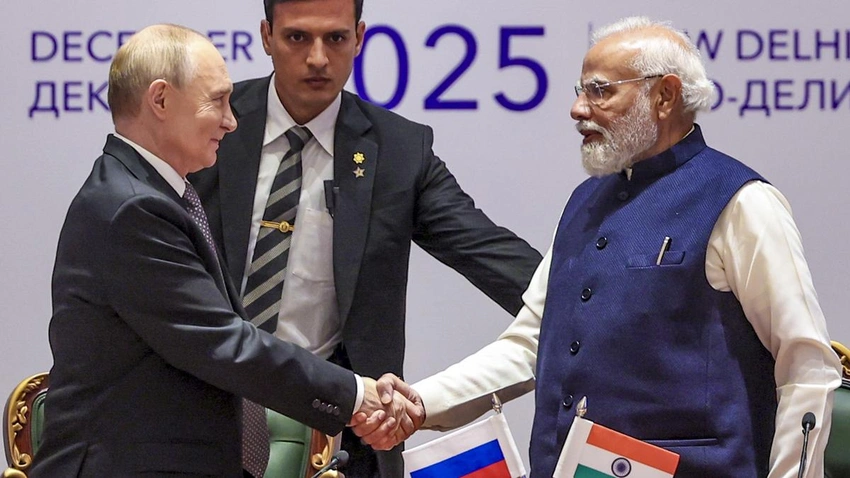
India and Russia eye a second Russian-designed nuclear plant after Putin visit
India and Russia expand nuclear energy collaboration, eyeing a second plant and site allocation, with Kudankulam support and broader peaceful energy goals.
The visit of the Russian president to New Delhi culminated in a significant expansion of nuclear energy collaboration between India and Russia, including a serious push to build a second Russian-designed nuclear power plant in India. The two sides discussed the possibility of a new site and agreed to accelerate broader cooperation in the nuclear field, emphasizing fuel cycles, lifecycle support for Kudankulam, and peaceful applications of atomic energy and related high technologies.
Indian authorities said the Indian side will strive to finalise the formal allotment of a second site in line with earlier agreements, signaling continued momentum on expanding India's nuclear footprint beyond Kudankulam. In parallel, the agreement covers expanding cooperation in the fuel cycle, lifecycle support for Kudankulam, and potential non-power applications of nuclear technology, reflecting a holistic approach to peaceful atomic energy and shared innovations.
Kudankulam Nuclear Power Plant (KKNPP) currently operates two Russian VVER-1000 reactors, each rated at about 1 GW, at Kudankulam in Tamil Nadu. There are ongoing plans to add four more units at Kudankulam, underscoring India’s ambition to scale up its Russian-designed nuclear capacity. Since 2016, discussions about a second site to host six 1.2 GW reactors have taken place, but progress has been hampered by legal constraints and the evolving liability framework.
The talks also envisaged accelerating technical and commercial discussions on the VVER design, joint research and development for NPPs, and localisation and joint manufacturing of nuclear equipment and fuel assemblies for large-capacity plants, subject to mutually agreeable terms. This reflects a broader push to deepen collaboration on the entire nuclear supply chain, from design to manufacturing.
With domestic debates about amending the atomic energy law to open the sector to private nuclear operators, the discussions signal a potential shift in how India develops and manages critical energy infrastructure. The Nuclear Power Corporation of India Ltd would continue to play a central role, while the partnership with Russia positions Moscow as a key ally in India’s energy security and technological advancement agenda. The move highlights a shared interest in peaceful use of atomic energy and high-tech collaboration that could shape India’s energy landscape for years to come.
Cover image source: India, Russia agree on Arctic and nuclear cooperation 🔗
