Your Boss After Hours: Should 'Always On' Be Illegal?

Your Boss After Hours: Should 'Always On' Be Illegal?
The lines between work and life are blurring more than ever. Is it time for a legal 'right to disconnect,' making after-hours messages from your boss a no-go? We explore the debate.
The workday officially ends at 5:00 PM or 6:00 PM for most, but does it really? For many, the ping of a work email or message after hours is a common, unwelcome intrusion. This isn't just an annoyance - it's a blurring of lines that impacts well-being, and it's fueling a growing global movement: the right to disconnect .
The 'Always On' Epidemic
Modern technology, while a boon for flexibility, has also fostered an “always-on” work culture. Smartphones mean the office is always in your pocket, making it harder than ever to truly switch off.
This constant connectivity leads to increased stress, burnout, and a lack of true downtime.
It erodes personal time, affecting family life, hobbies, and essential rest.

A Legal Lifeline?
So, should it be illegal for your boss to message you after 6:00 PM? Several countries have already embraced it. France, for instance, introduced legislation in 2017 allowing employees to ignore work emails outside of working hours.
Portugal went further, making it illegal for employers to contact employees outside of their contracted hours, except in emergencies, and penalizing those who fail to comply.
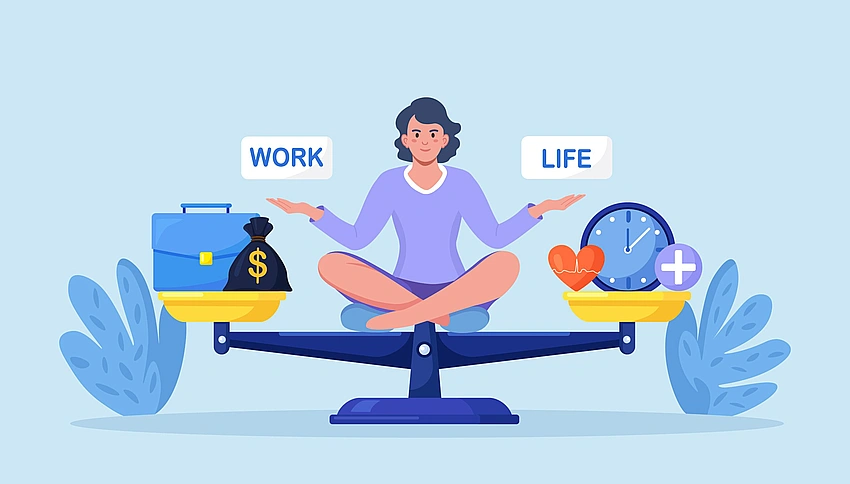
Proponents argue that such laws protect mental health and restore work-life balance. They believe it reinforces the idea that an employee's time outside of work is their own, not an extension of the workday. “When you're always connected, you're never truly off,” says Dr. Anya Sharma, a work psychology expert. “Legislation can create a much-needed boundary.”
Beyond Burnout: The Productivity Paradox
The benefits extend beyond preventing burnout.
A well-rested, less stressed employee is often a more productive one.
When employees feel respected and have clear boundaries, their engagement and loyalty can increase.
It's about optimizing human potential by ensuring adequate recovery and personal fulfillment. Think about it-how effective are you at 8 PM after a full workday, trying to respond to a non-urgent request?

The Nuance of Disconnection
However, legislating the right to disconnect isn't without its challenges. What about urgent client needs or international teams operating across time zones? How do you define an “emergency” legally?
Some argue that a blanket ban stifles flexibility, especially for roles requiring on-call duty or those with non-traditional hours.
Critics suggest that company policies and cultural shifts, rather than strict laws, might be a more adaptable solution.
Could a hybrid approach work? Perhaps guidelines that differentiate between urgent and non-urgent communications, or policies that penalize excessive after-hours contact rather than any contact. The goal isn't to create inflexibility, but to ensure boundaries exist and are respected.

Crafting a Connected Future: Who Decides?
Ultimately, the conversation about the right to disconnect forces us to re-evaluate our relationship with work and technology.
It's a call for a healthier, more sustainable way of working.
Whether through national laws, company-specific policies, or simply a shift in collective mindset, establishing clear boundaries between professional and personal life is becoming increasingly essential.
What kind of future workplace do we want to build - one that's always-on, or one that respects our need to power down?

Login to comment.