Why Your Skin Gets Oilier After Washing Your Face

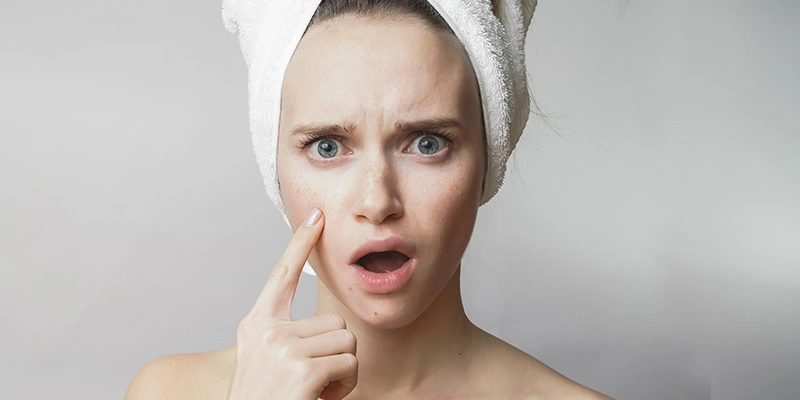
Many people expect their skin to feel fresh and balanced after washing their face. However, some notice something confusing. Their skin becomes oily again only a short time after cleansing. This experience is surprisingly common and often misunderstood. Instead of being a sign that cleansing is ineffective, it can actually be a reaction from the skin trying to restore balance. Using the right type of cleanser, such as a salicylic acid cleanser for oily skin 🔗, can help remove buildup without disrupting the natural oil balance that the skin depends on.
The Role of Natural Skin Oils
Sebum, the natural oil produced by sebaceous glands, plays an important role in maintaining healthy skin. It forms a protective layer that helps keep moisture inside the skin and shields it from environmental stress.
This natural oil helps:
- Maintain skin hydration
- Support the skin barrier
- Protect against external irritants
- Reduce moisture loss
When sebum production remains balanced, the skin tends to look smooth and healthy. Problems usually begin when the skin produces either too much oil or too little.
Why Oil Production Increases After Cleansing
When the skin is washed, especially with strong cleansers, a portion of its natural oils is removed. If too much oil is stripped away, the skin may interpret this as dryness or damage.
To compensate, sebaceous glands may produce even more oil in order to restore the protective layer. This process can make the skin appear shiny only a short time after washing.
Several factors may trigger this reaction:
- Harsh cleansing products
- Over-washing the face
- Using water that is too hot
- Skipping moisturizers after cleansing
The skin is constantly trying to maintain equilibrium, and sudden oil loss can signal the glands to work harder.
How Over-Cleansing Disrupts the Skin Barrier
The skin barrier is a thin protective layer that prevents moisture loss while protecting the skin from pollutants and bacteria.
When the barrier becomes weakened, the skin may struggle to regulate hydration and oil production. Over-cleansing can remove not only dirt and oil but also the protective lipids that support this barrier.
Signs of a disrupted skin barrier may include:
• Tightness after washing
• Increased oiliness later in the day
• Redness or irritation
• Breakouts despite frequent cleansing
Maintaining the barrier is essential for controlling oil production.
The Relationship Between Dehydration and Oiliness
It may seem surprising, but oily skin is often dehydrated skin.
When the skin lacks water, it may compensate by producing more oil. The extra oil attempts to trap moisture and prevent further water loss.
This is why hydration is just as important for oily skin as it is for dry skin.
Lightweight moisturizers help restore water levels in the skin, which can signal sebaceous glands to reduce excessive oil production.
What Research Says About Oily Skin and Acne
Oil production plays an important role in acne development, but it is only one piece of a larger process involving clogged pores, bacteria, and inflammation.
According to the American Academy of Dermatology, acne affects up to 50 million people in the United States every year, making it the most common skin condition in the country.
Because excess oil can contribute to clogged pores, dermatology research often focuses on balancing oil production rather than eliminating it entirely.
Why Gentle Cleansing Is More Effective
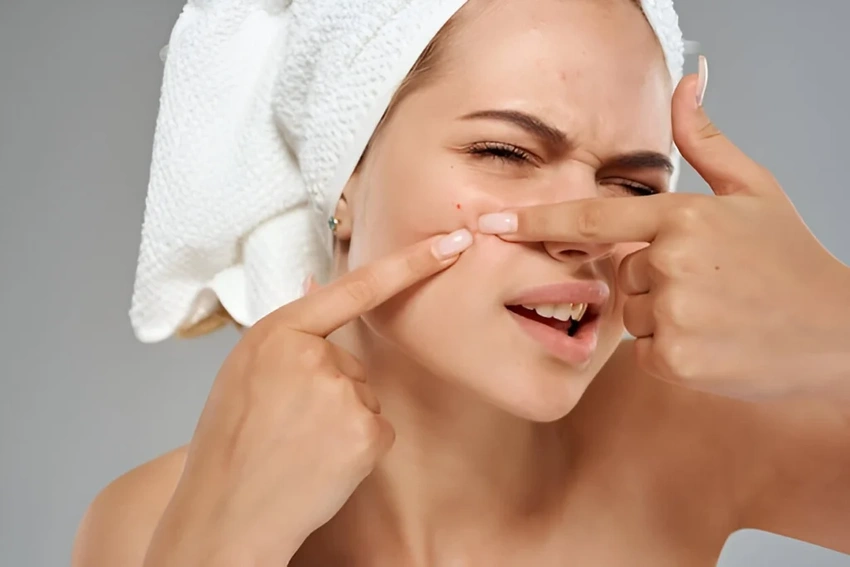
Aggressive scrubbing may feel satisfying, but it often worsens oil imbalance. Harsh cleansing strips the skin and forces sebaceous glands to produce more oil to compensate.
Gentle cleansing focuses on removing impurities while maintaining the skin’s natural protective layer.
A balanced routine usually includes:
• Cleansing twice daily instead of multiple times
• Using lukewarm water instead of hot water
• Choosing cleansers that remove oil without drying the skin
These steps help maintain the natural balance that the skin needs to function properly.
Why Moisturizing Matters for Oily Skin
One of the biggest misconceptions in skincare is that oily skin does not need moisturizer. In reality, skipping moisturizer can make oil production worse.
Moisturizers provide hydration that helps regulate the skin’s oil response.
When the skin receives adequate hydration, it is less likely to produce excess sebum as a protective mechanism.
Barrier-supporting moisturizers can help maintain this balance while preventing dryness and irritation.
Managing Breakouts While Controlling Oil
When excess oil combines with dead skin cells, it can clog pores and create an environment where acne-causing bacteria grow.
Targeted treatments help manage individual blemishes while preventing further irritation.
Protective acne patches are increasingly used because they isolate the affected pore and allow the skin to heal without external interference.
These patches can:
- Absorb impurities from the pimple
- Protect the blemish from bacteria
- Reduce the urge to pick at the skin
By shielding the affected area, they help minimize inflammation and support the healing process.
Creating a Balanced Skincare Routine
A well-balanced skincare routine does not focus on eliminating oil completely. Instead, it supports the skin’s ability to regulate itself.
An effective routine usually includes:
• Gentle cleansing to remove buildup
• Hydrating products that maintain moisture levels
• Targeted treatments for occasional breakouts
• Barrier-supporting moisturizers
Consistency allows the skin to adapt and maintain a stable oil balance over time.
Conclusion
Oily skin after washing is often a sign that the skin is trying to restore balance. When natural oils are stripped away too aggressively, sebaceous glands may produce more oil to protect the skin barrier. Understanding this response helps explain why gentle cleansing, proper hydration, and consistent routines are more effective than harsh treatments. Instead of fighting the skin’s natural processes, supporting them leads to healthier and more stable results. Protective solutions such as pimple patch waterproof 🔗 🔗options can also help manage breakouts by shielding blemishes while the skin restores its natural balance.
Call to Action
If you are looking to build a skincare routine that supports balanced, healthier looking skin, exploring products designed for gentle cleansing and targeted acne care can make a difference. Visit World of California 🔗 to learn more about skincare solutions that help maintain clearer skin and healthier pores.
FAQs
1. Why does my skin become oily after washing my face?
This often happens when cleansing removes too much natural oil, causing the skin to produce more oil to restore balance.
2. Can washing my face too often cause oiliness?
Yes. Over-cleansing can strip the skin barrier and trigger increased oil production.
3. Should oily skin still use moisturizer?
Yes. Hydration helps regulate oil production and supports the skin barrier.
4. Does hot water increase oil production?
Hot water can dry out the skin and lead to increased oil production as the skin attempts to compensate.
5. Do acne patches help oily skin breakouts?
Acne patches can protect blemishes from bacteria and prevent touching, which helps the skin heal more efficiently.
