Amit Shah Backs Key Panel Probing India's Demographic Shifts

Amit Shah Backs Key Panel Probing India's Demographic Shifts
Home Minister Amit Shah reviews crucial committee studying India's demographic changes due to illegal immigration. Learn how this high-level panel plans to assess population shifts nationwide and propose solutions. #Indi
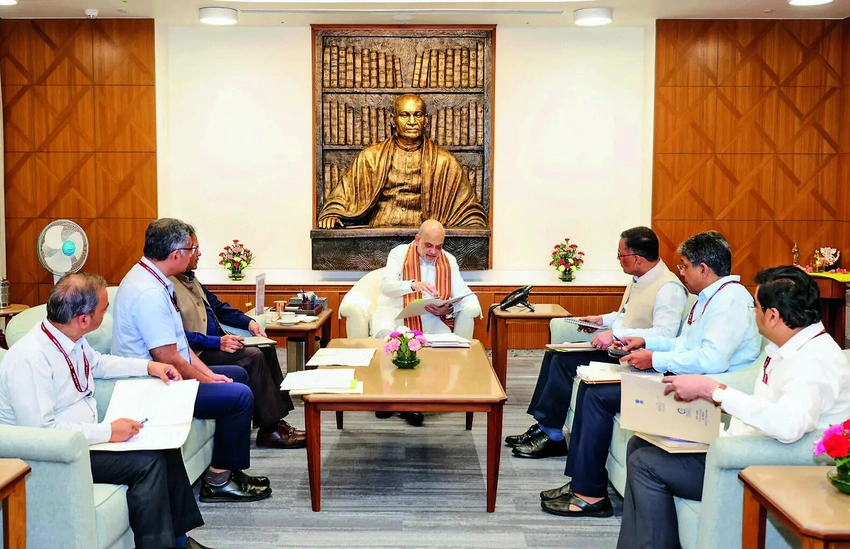
Union Home Minister Amit Shah on Saturday reviewed the functioning of a recently constituted high-level committee tasked with studying demographic changes across India. During a meeting with senior Ministry of Home Affairs (MHA) officials, Shah directed the ministry to provide comprehensive support for the committee's critical work, including facilitating visits to sensitive border districts, bustling metropolitan cities, and industrial towns across the nation. This committee, formed last month, aims to delve into population shifts driven by illegal immigration and other 'abnormal factors'.
Chairing the meeting, Minister Shah emphasized the need for robust logistical and administrative assistance for the panel. An official familiar with the discussions stated that the Home Minister instructed the MHA to ensure all necessary support is extended to the committee members. This includes access to crucial documents, coordinating with state and Union Territory governments, and enabling visits to various regions.
The committee's mandate extends beyond just border areas, focusing also on demographic shifts observed in major urban centers and industrial hubs. Local administrations are expected to provide full cooperation during the panel’s visits. This high-level body, announced by the MHA on May 26, is chaired by retired Supreme Court judge Justice Prabhakar Naolekar. Its esteemed members include Census Commissioner Mritunjay Kumar Narayan, retired IAS officer Durga Shankar Mishra, retired IPS officer Balaji Srivastava, and renowned economist Shamika Ravi.
Officials confirmed that the committee has already held its inaugural meeting and has meticulously formulated its agenda. The MHA has set a clear timeline for this crucial endeavor, requiring the panel to submit its detailed report within one year from its constitution. The findings are expected to provide a comprehensive assessment and potential solutions for the demographic challenges identified.
