Six Years On Mars Caught In Motion As Curiosity Reveals A Stunning Time-lapse

Six Years On Mars Caught In Motion As Curiosity Reveals A Stunning Time-lapse
Six Years On Mars Caught In Motion As Curiosity Reveals A Stunning Time-lapse
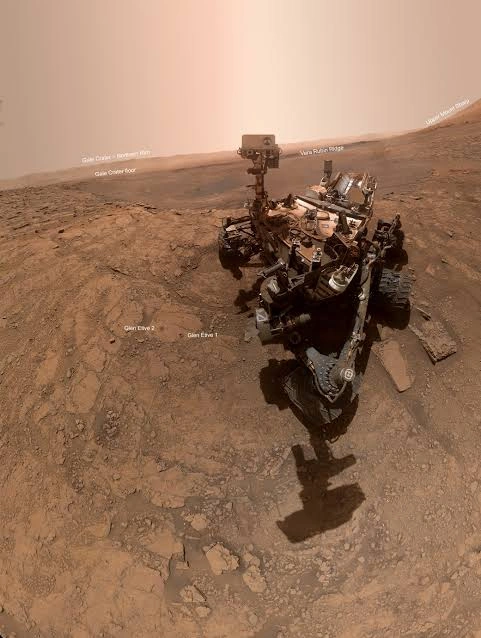
NASA's Curiosity rover offers a six-year, rear-facing timelapse across Mars, showing how the landscape shifts and what it reveals about the planet's geological history.
In an exciting new view of life on Mars, NASA’s Curiosity Rover has provided a six-year time-lapse that shows its journey across the Martian surface. This sequence not only captures movement but also gives scientists valuable insights into how the planet changes over time.
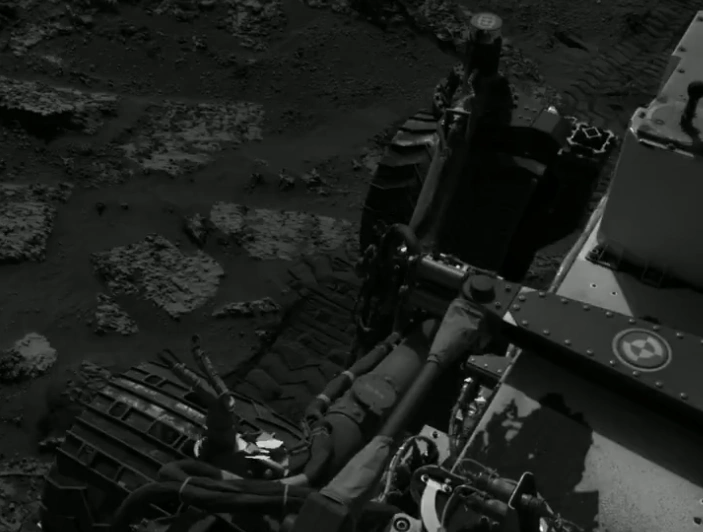
The images were taken with the rover’s right navigation camera mounted on its mast, covering the period from January 2, 2020, to March 8, 2026. This timeframe includes more than two thousand Martian days, or sols, marking an important stretch of Curiosity’s ongoing mission. Notably, the camera focused behind the rover during these captures, offering scientists a rare perspective on areas it had already explored.
Why the Rover Looked Backwards
This unique perspective was intentional. By looking back, the rover helps scientists spot rocks and surface features that may have been overlooked while moving forward. It also lets researchers better understand the geological history of regions Curiosity has traversed, transforming past terrain into new scientific opportunities.
Tracking Sand and Martian Winds
Beyond being visually impressive, the timelapse serves an important scientific purpose. Researchers are examining the rover’s deck to detect subtle movements of sand grains. By determining if these movements are caused by the rover itself or Martian winds, scientists can gain important insights into atmospheric conditions.
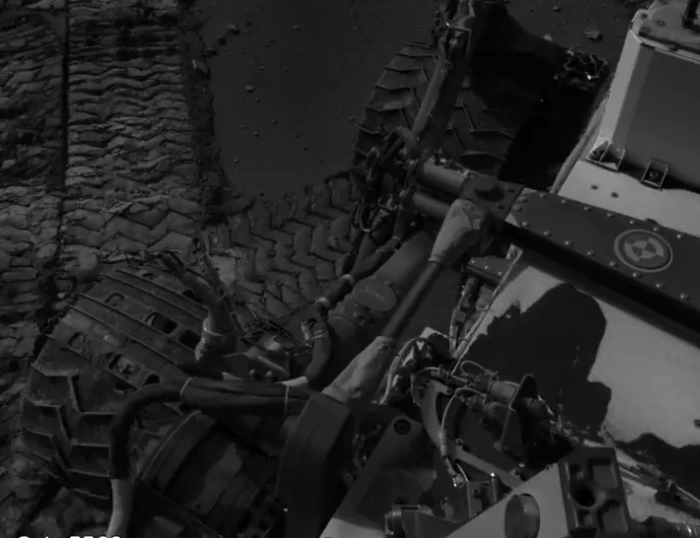
These observations should improve our understanding of seasonal changes on Mars, especially how wind patterns shift over time. Even small shifts in sand can show how active the Martian environment is.
A Mission Driven by Innovation
Curiosity has been a key part of Mars exploration since it landed in 2012. Built by NASA’s Jet Propulsion Laboratory and managed by the California Institute of Technology, the rover continues to expand the limits of planetary science. The mission operates under NASA’s Science Mission Directorate as part of the Mars Exploration Program.
This latest timelapse demonstrates how routine navigation data can lead to new discoveries. As Curiosity moves onward, each image adds more depth to our understanding of the Red Planet. What may seem like a simple backward glance is actually a powerful scientific tool that helps unlock the mysteries of Mars.
