What India’s Daring Move at SCO Means for India's and Asia’s Security

What India’s Daring Move at SCO Means for India's and Asia’s Security
India blocks SCO joint statement, demanding tougher action on cross-border terrorism. What does this mean for regional security and the fight against terror?
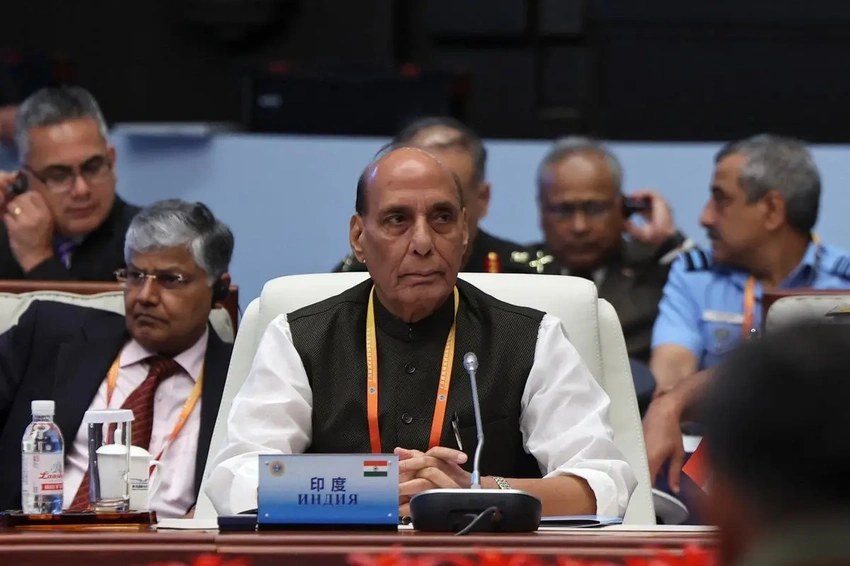
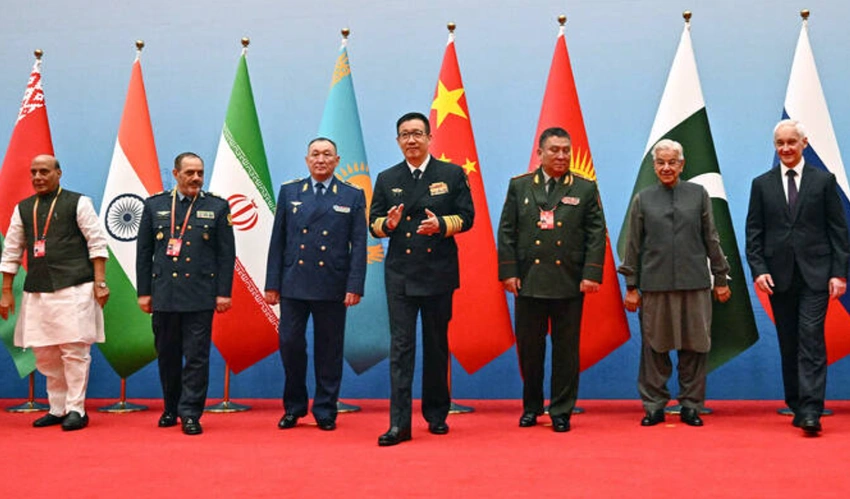
India has sent shockwaves through the Shanghai Cooperation Organisation (SCO) by refusing to sign the joint statement at the Defence Ministers’ meeting in Qingdao, China. The reason? The final document, India says, failed to address the core issue of cross-border terrorism, especially attacks linked to Pakistan. This rare move has left the influential regional bloc without a united declaration and raised tough questions about the future of anti-terror cooperation in Asia.
What Happened Behind Closed Doors?
Defence Minister Rajnath Singh, representing India, refused to endorse the draft statement after it omitted any mention of the April 22 Pahalgam terror attack, which killed 26 civilians, including a Nepali national. Singh highlighted that the attack was claimed by The Resistance Front, a proxy of the UN-designated terror group Lashkar-e-Taiba, widely believed to operate from Pakistan.
While the draft statement referenced unrest in Balochistan, Pakistan, it made no mention of attacks on Indian soil or the broader issue of cross-border terrorism which is a glaring omission, according to Indian officials.
Why Did India Take This Stand?
India’s refusal is not just a diplomatic snub; it is a calculated protest. Singh made it clear: “Peace and prosperity cannot co-exist with terrorism… There should be no place for such double standards. SCO should not hesitate to criticise such nations”. Without naming Pakistan directly, he accused “some countries” of using cross-border terrorism as a policy tool and sheltering terrorists.
India’s core demand was for the SCO to explicitly condemn cross-border terrorism and hold sponsors accountable. The absence of such language, officials say, would have diluted India’s zero-tolerance policy and sent the wrong message to terror groups and their backers.
Who Opposed India’s Push?
Sources point to China and Pakistan as the main obstacles. Both countries reportedly resisted any hard line on terrorism in the statement, preferring a softer, more ambiguous approach. This is not the first time China has shielded Pakistan from international censure on terrorism, raising questions about Beijing’s role in regional security.
The Questions No One Is Asking
Is the SCO serious about fighting terrorism, or is consensus just a façade? The bloc’s consensus-driven approach means any member can block strong language, effectively giving veto power to states accused of supporting terror.
Can India trust regional groupings to protect its security interests? If the SCO cannot agree on a basic condemnation of terror attacks, what is its value for India?
Does this expose a deeper rift between India and China? With border tensions unresolved and now open disagreement on terrorism, is the SCO becoming another arena for India-China rivalry?
What Are the Repercussions?
India’s bold move could isolate it within the SCO in the short term but sends a clear message: New Delhi will not compromise on its core security concerns, even at the cost of regional unity. This could pressure other member states to take a firmer stand on terrorism in future meetings.
However, the lack of a joint statement also signals a fractured approach to security in the region. Terror groups may see this as a sign of weakness and lack of resolve. Meanwhile, the trust deficit between India and its neighbours, especially China and Pakistan, is likely to deepen.
India’s refusal to sign the statement is both a principled stand and a risky gamble. It exposes the limitations of multilateral forums when national interests collide. While India’s insistence on naming and shaming terror sponsors is justified, the episode also highlights the need for new strategies, bilateral or multilateral, to address the persistent threat of cross-border terrorism.
