Tibet-Nepal Floods: China's Information Curtain Sparks Global Concern

Tibet-Nepal Floods: China's Information Curtain Sparks Global Concern
Devastating floods hit Tibet & Nepal, claiming hundreds. While global footage spreads, China's limited reporting and censorship raise questions. Get the full story!
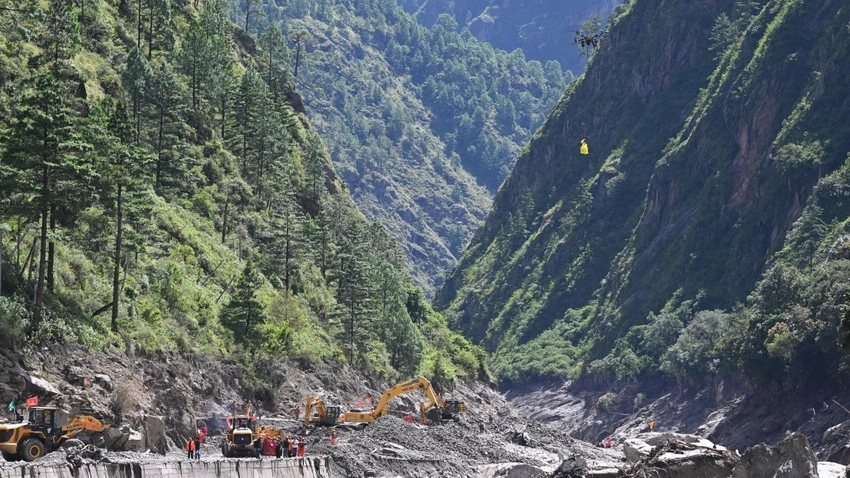
Devastating floods and landslides have struck the border regions of Tibet and Nepal, leading to a significant humanitarian crisis. Hundreds of lives have been lost, and a similar number remain unaccounted for since the disaster began earlier this week.
The scale of the devastation has been widely circulated on global social media platforms, yet a stark contrast in information availability has emerged, particularly concerning reports from inside China.
Despite the widespread footage and accounts seen internationally, China's state-run media has offered a notably limited portrayal of the disaster.
Reports indicate that only a single still image from the affected areas has been broadcast on China's flagship news bulletin. Furthermore, comprehensive video footage has proven difficult to find on China's heavily censored internet, even as authorities release updates on rescue operations and the potential threat from an overflowing barrier lake.
This significant disparity in reporting has raised concerns, especially regarding the lack of first-hand information from survivors in Tibet or user-generated footage depicting the destruction and its aftermath. While China has initiated a substantial rescue operation involving hundreds of emergency workers, with President Xi Jinping coordinating the response and Premier Li Qiang inspecting the region, details about the victims and missing persons remain scarce.
State media has shown images and videos of rescue teams navigating challenging terrains, but personal accounts from affected families are largely absent. The situation is further complicated by severe restrictions on foreign journalists, who require government permission to enter Tibet, making independent reporting exceptionally difficult.
Some outlets have even compared the challenge of contacting individuals in Tibet to that of reaching interviewees in Pyongyang, North Korea. This information vacuum has also caused distress among Tibetans living outside the region, who are desperately trying to ascertain the well-being of their relatives.
Meanwhile, Nepal has issued fresh flood alerts as the Bhote Koshi river's flow continues to increase, and China has stated it is sharing satellite, hydrological, and early-warning data with Nepal, alongside offering emergency cash and humanitarian aid.
#TibetNepalFloods #ChinaCensorship #HumanitarianCrisis #DisasterResponse

Login to comment.
No thots yet. Be the first to share your thoughts!