my mom
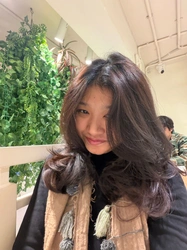
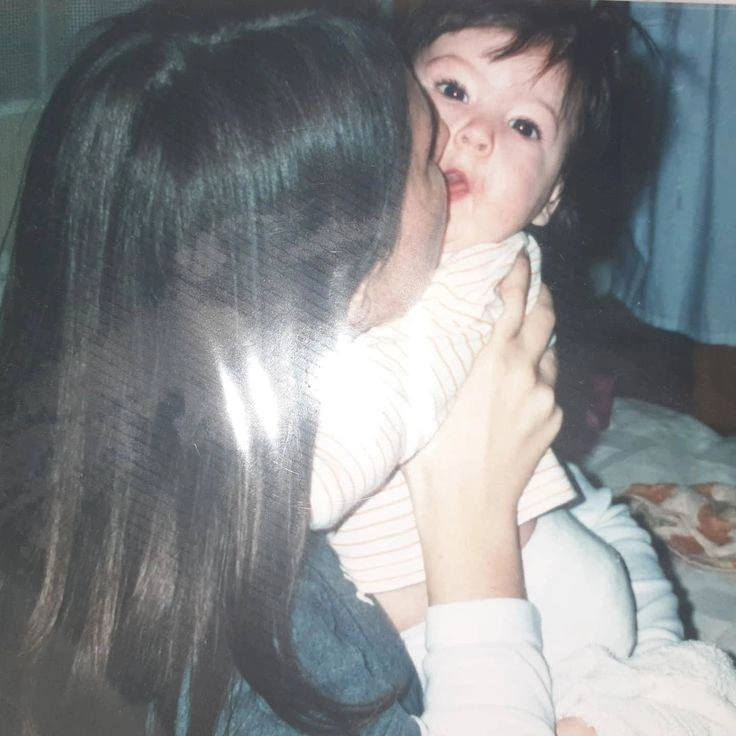
my mom
my mom
There was a long time when I thought that strength had to be loud.
I thought it had to announce itself, defend itself, or prove itself. I thought being strong meant never breaking, never needing help, and never letting anyone see where it hurt me. That’s what the world seemed to reward. That’s what confidence looked like online. That’s what survival often demanded.
But then there was my mom.
She never really raised her voice to be heard. Never demanded attention. Never made strength look impressive or dramatic. She just… kept going. Quietly. Reliably. With a kind of steadiness that didn’t ask to be applauded. In her own way. And I admire her so much for that
For the longest time, I didn’t recognize that as strength at all. I mistook it for normalcy. For obligation. For just what mothers do.
I didn’t realize until much later that my understanding of love, and eventually of myself, had been shaped by the way my mother stayed.
My mom loves me in a way that doesn’t perform. She doesn’t need grand gestures. She doesn’t need perfect words. Her love shows up in repetition: checking if I ate, asking if I reached safely, reminding me to carry a jacket even when the weather app says I won’t need one.
At some point, I learned to take these things for granted. I rolled my eyes. I brushed them off. I thought love was supposed to feel cinematic: all intense, passionate, and consuming.
But my mother’s love was never dramatic. It was consistent. She loved me when I was difficult. When I was quiet. When I was failing. When I didn’t have anything impressive to offer. She loved me without needing me to be useful, interesting, or strong.
And it took me years to realize how rare that is.
There’s a really strange moment in adulthood: it doesn’t arrive all at once, when your parents stop being just “parents” and start becoming people.
For me, that moment came quite quietly.
I was listening to my mom talk about her younger years. About things she didn’t pursue. About choices she made because she had to, not because she wanted to. About dreams she folded away carefully, like clothes she never threw out but never wore again.
And suddenly, it hit me:
Before she was my mother, she was someone’s daughter. Before she carried responsibilities, she carried hopes. Before she became strong, she was just a girl trying to figure life out.
No one teaches you how to hold that realization gently.
Because once you see your mother as a person, not just a protector, you also see how much she carried quietly. How often she chose stability over self-expression. How many times she put herself second without naming it as sacrifice.
And somehow, she never made me feel guilty for it.
My mom never called herself strong. She never used language like “resilience” or “sacrifice.” She didn’t post motivational quotes or talk about surviving hardships.
She just did what needed to be done.
She showed up on days when she was tired. She handled stress without turning it into spectacle. She absorbed worry so others wouldn’t have to carry it. She solved problems silently, without asking for credit.
It took me a long time to understand that this kind of strength isn’t invisible: it’s just uncelebrated.
In a world obsessed with loud confidence and visible success, quiet strength often gets overlooked. But it is steady. It is durable. It is what actually lasts.
And slowly, I started to realize: This is the kind of strength that raised me.
For most of my life, I loved myself conditionally. I loved myself when I was achieving. When I was productive. When I was doing “well” by external standards.
On bad days, I withdrew affection from myself the way the world does: with disappointment, impatience, judgment. But my mom never loved me like that. She didn’t love me more when I succeeded. She didn’t love me less when I failed. Her care didn’t fluctuate with my performance. And one day, it occurred to me:
If she could love me through inconsistency, confusion, and imperfection, why couldn’t I?
Learning to love myself the way my mom loves me has been one of the hardest, quietest forms of healing. Because it means unlearning the idea that worth has to be earned.
It means allowing myself rest without guilt. It means offering compassion instead of criticism. It means staying when I want to abandon myself.
We talk a lot about inherited trauma, and rightly so.
But we rarely talk about inherited gentleness. About the emotional templates passed down not through language, but through behavior.
My mother taught me how to love by example, not instruction. She didn’t tell me to be strong. She showed me what it looked like to keep going without hardening. To care without losing yourself. To nurture without disappearing completely.
Even now, I catch myself doing things she does, the way I check on people, the way I anticipate needs, the way I worry quietly.
Sometimes that scares me. Sometimes it comforts me.
Because it reminds me that even when I feel lost, I come from someone who knew how to stay upright through storms.
There are days when the world feels sharp and unforgiving. Days when I feel like I am failing at adulthood. At healing. At being okay.
On those days, I think about my mother’s love, how it never made conditions, never asked me to be impressive, never withdrew when I was at my worst.
And I try to replicate that feeling inside myself.
I remind myself that love doesn’t have to be loud to be real. That strength doesn’t have to hurt to be valid. That softness isn’t weakness, it’s endurance.
I don’t want to romanticize motherhood or sacrifice. I don’t want to inherit self-erasure or silent exhaustion.
But I do want to carry forward the best parts of what my mother gave me: patience, steadiness, emotional presence.
I want to learn how to care without disappearing. To love without abandoning myself. To be strong without needing to prove it.
And in that way, loving myself the way my mom loves me doesn’t mean becoming her. It means honoring what she taught me, and choosing to live gently with it.
