Weakening Atlantic Currents Could Reshape India's Monsoon, Scientists Warn

Weakening Atlantic Currents Could Reshape India's Monsoon, Scientists Warn
New simulations suggest a weaker AMOC could alter Indian monsoon rainfall, bringing uneven patterns and longer dry spells amid heat risks.
Scientists warn that a weakening Atlantic Meridional Overturning Circulation could tilt India's monsoon, with some climate models showing rainfall reductions in central and northwestern regions and others predicting rainfall that becomes more uneven—long dry spells punctuated by bursts of intense rain.
May rainfall is forecast to be above average, with IMD projecting May rainfall to exceed 110% of the Long Period Average, even as the broader June-September monsoon remains likely below normal at around 92% of LPA, with El Niño conditions possibly developing later.
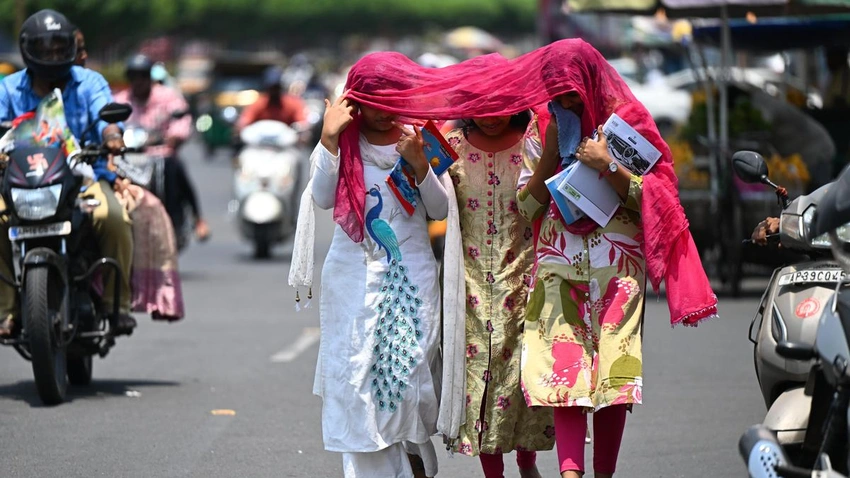
Across India, heat extremes are already making headlines: in Andhra Pradesh's Piduguralla, temperatures hit 45.9°C, marking the state’s highest maximum, while 252 mandals across 20 districts report severe heat conditions. Isolated thunderstorms may also bring brief relief in Srikakulam, Vizianagaram, ASR, Polavaram, Visakhapatnam, Chittoor and Tirupati.
Experts say the combination of a shifting monsoon, hotter days, and potential El Niño could complicate planning for farmers, water managers, and energy demand. Close monitoring and adaptive strategies will be essential as forecasters refine their predictions for the coming monsoon season.
