The Shadow Phase of Acne: Why Scars Form Even After Your Skin Looks Clear

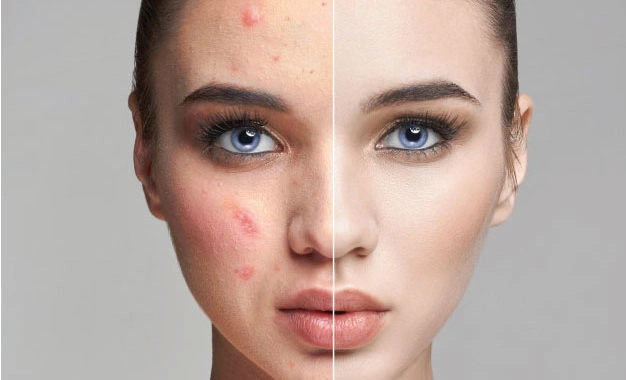
The Shadow Phase of Acne: Why Scars Form Even After Your Skin Looks Clear
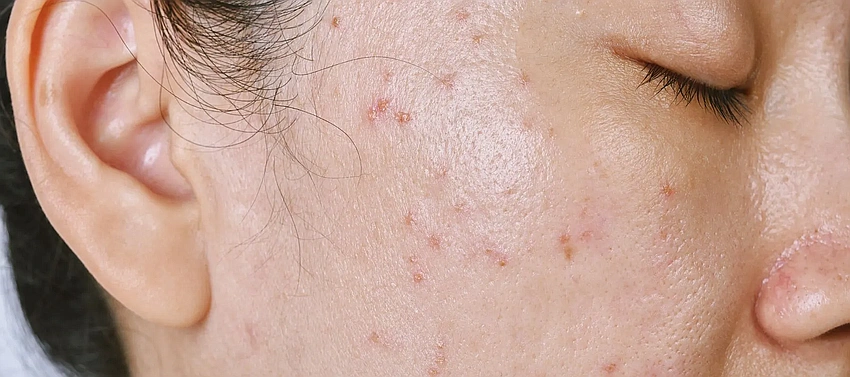
Acne does not end when the pimple disappears. For many people, the real challenge begins after the breakout fades, when uneven tone, lingering marks, and texture changes start to appear. This lesser-discussed stage is known as the shadow phase of acne, where your skin looks healed on the surface but continues to undergo internal repair. During this time, using a sunscreen for acne prone skin 🔗 becomes essential, not optional, because even minimal sun exposure can deepen scars and slow recovery.
Understanding this hidden phase helps you treat acne more completely, rather than stopping care too early.
What Is the Shadow Phase of Acne
The shadow phase refers to the period after an active breakout has healed but before the skin has fully regenerated. During this stage, inflammation may have subsided, but your skin is still repairing damaged cells and rebuilding collagen.
This is when post-acne marks form. These can appear as dark spots, red patches, or slight indentations. Many people mistake this phase for complete healing and reduce their skincare efforts, which often leads to prolonged discoloration and uneven texture.
Why Acne Leaves a Lasting Mark
When your skin experiences inflammation, it triggers a defense mechanism that affects pigment production. Melanin can become unevenly distributed, leading to hyperpigmentation. At the same time, collagen breakdown can create textural changes.
Several factors influence how severe these marks become:
- Intensity and duration of inflammation
- Skin type and natural melanin levels
- Sun exposure during healing
- Picking or touching the skin
- Lack of targeted post-acne care
Without proper protection and treatment, these marks can persist for months.
The Critical Role of Sun Protection in Scar Formation
Sun exposure is one of the most underestimated contributors to acne scars. Ultraviolet rays stimulate melanin production, which can darken existing marks and make them more noticeable.
Even a few minutes of daily exposure can impact healing skin. This is why consistent sun protection is essential, especially during the shadow phase.
A lightweight, non-comedogenic sunscreen helps prevent further pigmentation while allowing your skin to heal naturally. It also protects against long-term damage that can worsen texture and elasticity.
How the Skin Repairs Itself After Acne
Skin healing is a complex biological process involving multiple stages:
- Inflammation reduction
- Cellular turnover
- Collagen production
- Pigment normalization
If any of these stages are disrupted, scars can become more prominent. Supporting each step through a balanced skincare routine can significantly improve outcomes.
A Statistical Insight Into Acne Scarring
Acne scarring is more common than many people realize. According to research published by the National Institutes of Health, nearly 80 to 90 percent of individuals with acne experience some degree of scarring or post-inflammatory pigmentation.
This highlights the importance of treating not just acne itself, but also the healing phase that follows.
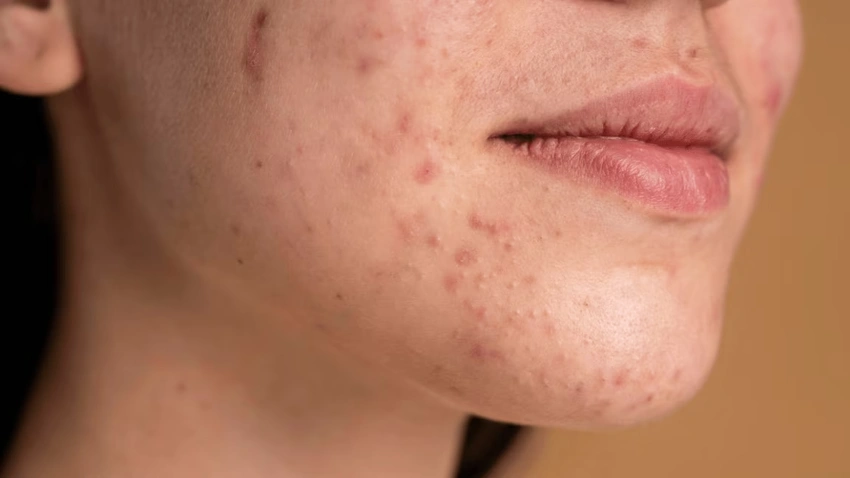
Why Basic Skincare Is Not Enough After Acne
Standard routines often focus on cleansing and treating active breakouts, but they may not address post-acne recovery. During the shadow phase, your skin needs targeted support.
Hydration plays a key role in maintaining elasticity and supporting cell turnover. Barrier-repairing ingredients help reduce sensitivity and prevent further irritation. At the same time, gentle exfoliation can encourage the removal of pigmented cells.
Ignoring this phase can result in prolonged discoloration and uneven skin texture.
The Science Behind Acne Marks and Pigmentation
Post-acne marks are not all the same. They can be categorized into two main types:
- Post-inflammatory hyperpigmentation, which appears as dark spots
- Post-inflammatory erythema, which appears as red or pink marks
Each type requires a slightly different approach, but both benefit from consistent sun protection and gradual skin renewal.
Melanin-producing cells become overactive during inflammation, and without protection, UV exposure can keep them active for longer periods.
Building a Routine for the Shadow Phase
To effectively manage post-acne skin, your routine should focus on recovery rather than aggressive treatment.
Key steps include:
- Gentle cleansing to maintain balance
- Lightweight hydration to support healing
- Sun protection to prevent darkening
- Targeted treatments to fade marks
Consistency matters more than intensity. Harsh treatments can worsen inflammation and delay recovery.
The Role of Targeted Scar Care
While prevention is crucial, targeted treatments can accelerate the fading of existing marks. Ingredients that support cell turnover and collagen production are especially helpful.
Using a dedicated acne scar gel as part of your nighttime routine can help improve skin texture and reduce pigmentation over time. These treatments work gradually, encouraging your skin to rebuild itself in a more even and balanced way.
Why Patience Is Essential in Skin Healing
Unlike active acne, which can change within days, post-acne marks take time to fade. The skin renewal cycle typically lasts around 28 days, but deeper damage may require several cycles to fully heal.
Rushing the process with aggressive treatments can lead to irritation and even more pigmentation. A steady, supportive routine is far more effective.
Conclusion
The shadow phase of acne is where long-term skin health is determined. While breakouts may disappear quickly, the marks they leave behind require careful and consistent attention. Protecting your skin from the sun, supporting its natural repair processes, and using targeted treatments can make a significant difference in how your skin heals.
Incorporating an acne scar gel 🔗 into your routine ensures that you are not just clearing acne, but also restoring your skin’s clarity and smoothness over time.
Call to Action
Take control of your skin beyond breakouts and focus on complete recovery. Discover advanced skincare solutions designed for every stage of acne at World of California 🔗. Build a routine that supports healing, protection, and long-term clarity.
FAQs
1. What is the shadow phase of acne?
It is the period after a breakout heals when the skin continues repairing itself and scars or marks may form.
2. Why do acne marks get darker over time?
Sun exposure and ongoing inflammation can increase melanin production, making marks more visible.
3. How long do acne scars take to fade?
Mild marks may fade in a few weeks, while deeper scars can take several months.
4. Is sunscreen necessary even indoors?
Yes, UV rays can penetrate windows and affect healing skin.
5. Can acne scars be completely removed?
Some marks can fade completely, while deeper scars may require advanced treatments for full improvement.
