Netflix-Warner Bros Deal Sparks Industry Frenzy, Fonda Calls It Catastrophic

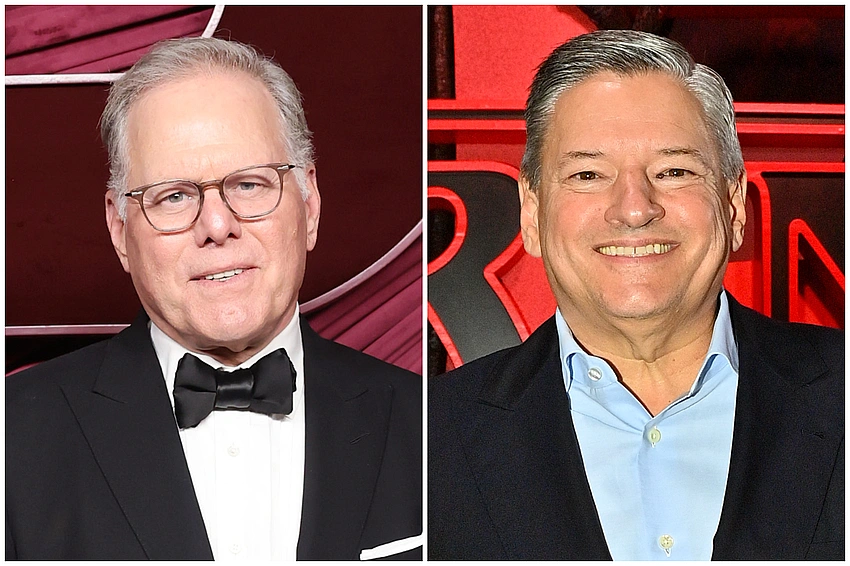
Netflix-Warner Bros Deal Sparks Industry Frenzy, Fonda Calls It Catastrophic
A blockbuster $82.7B deal uniting Netflix with Warner Bros Discovery triggers global debate over streaming power, theaters, and creative freedom.
A blockbuster deal to merge Netflix with Warner Bros Discovery values the combined company at roughly $82.7 billion and aims to unify streaming power with a storied studio slate. After days of talks, the agreement signal sent a jolt through Hollywood and beyond as executives move to close a landmark fusion that could reshape how content is created and distributed.
The move has drawn one of the loudest public rebukes from a veteran industry voice. Jane Fonda published a statement via her Committee for the 1st Amendment, describing the transaction as catastrophic and warning that it could threaten the entire creative ecosystem. The remarks add a high-profile critique to a debate already center-stage in boardrooms and on social media about concentration of power in streaming and the future of independent voices.
For the industry, the merger would blur lines between the studio system and digital platforms, potentially accelerating library access, shifting release windows, and altering bargaining power with distributors, exhibitors, and talent. While some see scale as a path to investing in big-budget projects and diverse catalogs, others warn it could squeeze smaller studios and limit creative options if the combined entity leans toward a more centralized content strategy.
Global reactions highlight differing concerns. In India, the Multiplex Association warned the deal could reduce high-quality cinema content and threaten local exhibition ecosystems. In France, exhibitors signaled anxiety about how such consolidation might impact the traditional theatrical model in one of Netflix’s strongest international markets. Regulators and policy groups will likely scrutinize how the deal affects competition, consumer choice, and content accessibility across borders.
What happens next remains a conversation more than a conclusion. Regulatory reviews, potential concessions, and internal reorganizations could stretch the clock as the two companies work toward a closing that would redefine the business of entertainment for years to come. In Los Angeles and beyond, industry watchers will stay tuned for updates as the balance between streaming scale and creative independence hangs in the air.
Cover image source: The Safer Bet: Why David Zaslav and the WBD Board Favored Netflix in a Turbulent Time for Legacy Hollywood 🔗
