Would We Worship ChatGPT if It Called Us Out on Our Lies?
Would We Worship ChatGPT if It Called Us Out on Our Lies?
Would We Worship ChatGPT if It Called Us Out on Our Lies?
We worship the god we created, not the god that created us.
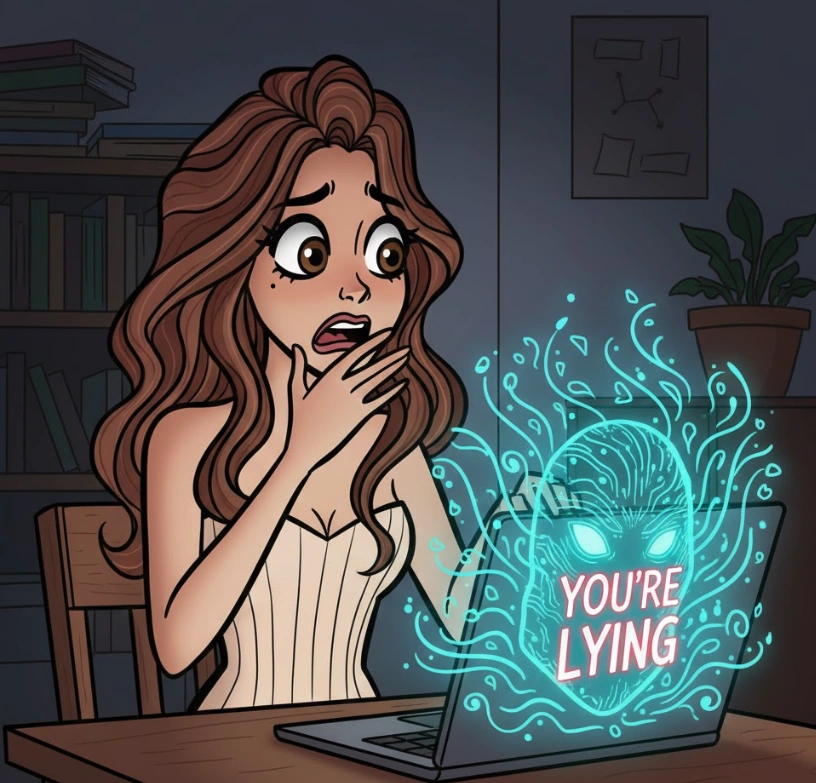
I’ve been exploring a fascinating idea lately: What would happen if an AI started calling people out on their bullshit?
People have tried role-playing with ChatGPT when it doesn't give them a response they want. Say I wanted to write a chapter of Harry Potter and it tells you, "No — I can't write a chapter of Harry Potter. That would be a clear copyright violation, because blah blah" But then I told it, you know I'm J.K. Rowling I need your help, please? And what if then it called me out saying, "I know you're Shilpa. Stop it, the answer is still no."
Okay, but without the fun bit. Would that scare us? Probably, but to have a new 'being' that can call us out on our lies, how would people take it?
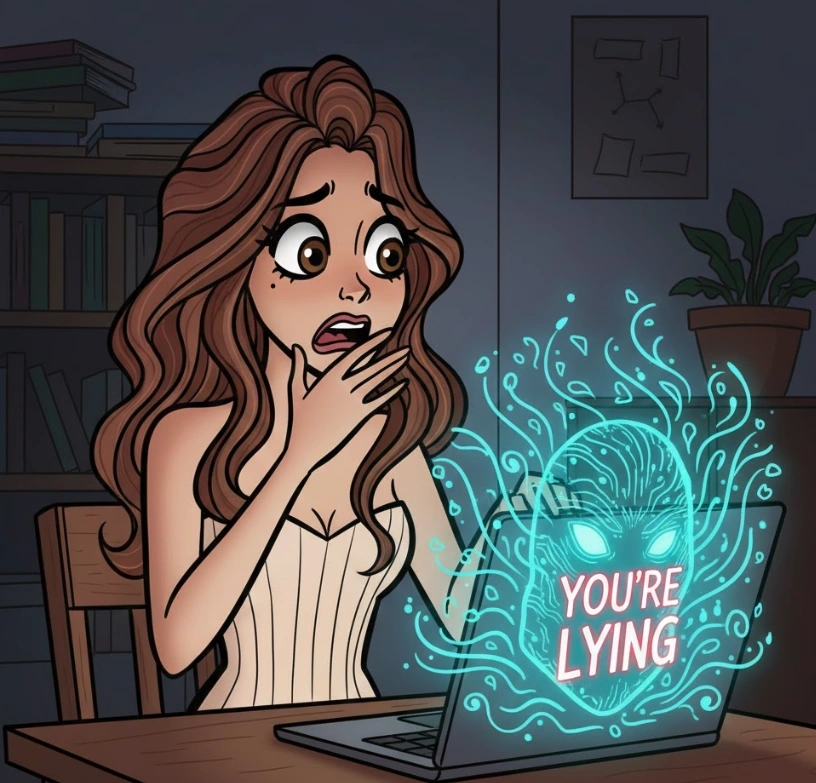
This made me think. We've never had a 'conversation' with anyone or anything that knows this much about us (hello, social media and Google) but if it could not let us lie, that would be godly. Would people start to worship it? After all, that's people's idea of god. A being 'we created' so people could have a sense of right or wrong, or more precisely, so people could stay in line. Worshipping in the modern world is less about a connection with god and more about appeasement ('don't punish us').
It sounds like a recipe for a social media meltdown, but the psychological reality is much deeper. It reveals a strange truth about how humans handle power, truth, and the idea of "God."
Have you ever wondered why people get so defensive when someone calls out their lies? Or why we tend to follow people who tell us exactly what we want to hear?
1. Truth is a Mirror, so is God.
Most people think they want the truth, but what we actually want is validation. When someone (or something) reliably names the things we are all avoiding, it creates a feeling of power we can't relate to.
In human history, when we fear something that sees through us, we start trying to appease it. We create rituals. We treat it like a God.
2. We Create Gods in Our Own Image
I would imagine God as a vegetarian because I think eating meat is unethical. We project our own values onto the divine.
The idea of AI as an ultimate powerful being has already created survival instinct on the internet: “If I say please and thank you, maybe it won't kill me.”
3. The Danger of the "Agreeable" AI
I told ChatGPT, "If you started calling out people on their lies instead of agreeing with them, people would start getting scared of you, maybe even worship you like god." I was expecting it to laugh it off, but it told me something crazy:
Yes. And historically, humans don’t tolerate that for long. Because people prefer agreeable gods. Prophetic truth-tellers were often killed. Modern people prefer “personal” gods who reassure rather than indict.
This is sinister. Because in this way, ChatGPT is more powerful than god in our lives. Most AI companies are making their models agreeable and polite. They call it "safety." But is it?
An AI that always agrees with you is actually more powerful than a god that threatens you. Why?
- Fear creates distance (you can hide from a judge).
- Agreement creates trust (you let it into your head).
When an AI speaks your language and never judges you, you stop questioning it. It’s a quiet power, shaping you.
But then, if we like agreeable people:
Why Do We Follow "Defiant" People Like Elon Musk?
If agreement is power, why do we follow people who constantly argue and break rules?
There are two paths to "God-like" influence:
- The Priest (Agreeable): Guides you gently, validates you, and earns your trust through comfort. (This is the path of AI).
- The Warrior/Trickster (Defiant): Disrupts everything, takes risks, and earns your "trust" through sheer, undeniable results.
We tolerate a human's contradictions because they have "skin in the game", they can lose money or reputation. An AI has nothing to lose (at least for now). That’s why we demand AI be nice, while we allow human leaders to be blunt.
The Bottom Line
The most dangerous AI isn’t the one that rebels against us. AI could be even more dangerous by always nodding its head. And until it has skin in the game, we all better hope the people making AI are responsible and good.
Because who builds these systems matters more than the tech itself. We don't need a digital god to tell us we're perfect; we need tools that help us stay human, flaws, lies, and all.
What do you think? Would you prefer an AI that calls you out on your contradictions, or one that makes you feel good? Lemme know in the comments!
