India Eyes Plastic Money! RBI to Launch Polymer Notes by Early FY28

India Eyes Plastic Money! RBI to Launch Polymer Notes by Early FY28
Get ready for a change! The RBI plans to roll out durable polymer currency notes (₹10, ₹20) by April 2027 to boost lifespan and capacity. Learn all about India's move to plastic money!
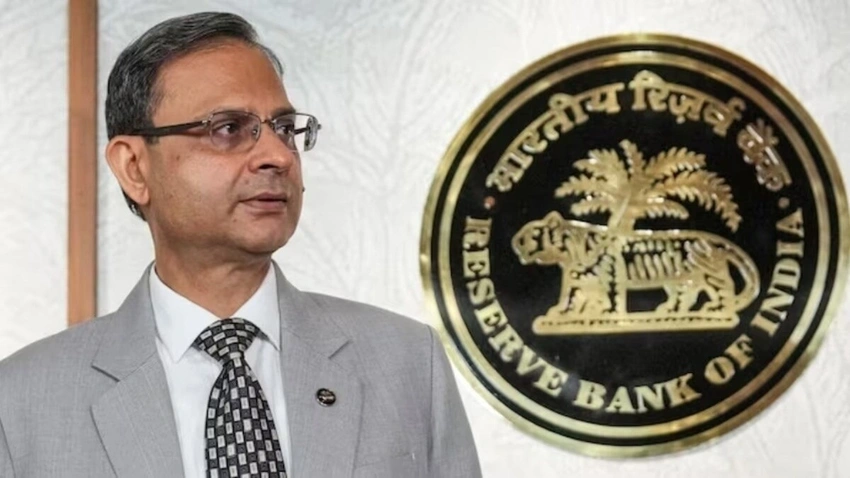
The Reserve Bank of India (RBI) is gearing up to introduce polymer (plastic) currency notes, with Governor Sanjay Malhotra announcing a target launch by early Financial Year 2028, specifically aiming for April 2027. This significant move, confirmed during a press conference following the Monetary Policy Committee (MPC) meeting, marks a shift towards more durable and efficient currency management in the country.
Currently, the initiative is in a pilot stage, with extensive testing underway to assess how these plastic notes perform under India's diverse climatic conditions and existing infrastructure. "We will test, check as to how they perform in the Indian condition, climate and other infrastructure we have put in place," Mr. Malhotra stated, emphasizing a cautious and thorough approach before a wider rollout.
The primary motivations behind adopting polymer notes are twofold. Firstly, they significantly enhance the durability and lifespan of lower denomination notes, such as the ₹10 and ₹20, which experience higher circulation velocity and thus wear out faster. These polymer notes are expected to last three to four times longer than their paper counterparts. Secondly, this change will expand the RBI's capacity to meet the growing currency demands of the Indian economy.
The Union Government has already given its nod for the printing and circulation of these polymer notes, and the RBI has initiated the procurement process by floating a tender for polymer substrate. The new notes will feature several advanced security measures, requiring thorough testing and security clearance before they enter circulation.
India joins a growing list of nations embracing polymer currency. Approximately 60 countries globally, including Australia, the United Kingdom, and Vietnam, have already integrated polymer notes, either fully or partially, into their financial systems. These notes are renowned for being made from thin, flexible plastic film, offering resilience against wear and tear.
