US to Require Five-Year Social Media History for Visa Applicants

US to Require Five-Year Social Media History for Visa Applicants
The US expands visa screening to include online footprints, asking travelers to disclose five years of social media history, fueling privacy debate.
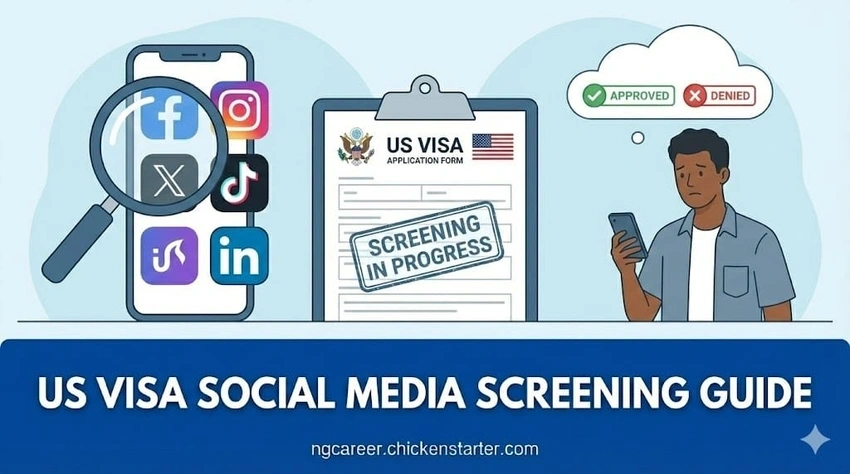
In a move that could reshape how travelers enter the United States, the Customs and Border Protection is proposing a sweeping expansion of visa screening. A Federal Register notice outlines a rule that would require nearly all non-US citizens, whether applying for a visa or entering under a visa waiver, to disclose up to five years of social media activity. The plan also signals potential requests for personal contact details tied to the same period, and hints at broader biometric data collection as part of entry and exit processing. The proposed change would be one of the most far-reaching steps to weave digital footprint analysis into immigration procedures to date.
Under the proposal, applicants would need to identify every social media platform they have used over the past five years and provide associated usernames or handles. In addition, travellers could be asked to share personal phone numbers and email addresses from the same window, with identifying information for immediate family members potentially requested as well. The scope would extend to those traveling on visa waivers, not just traditional visa applicants, elevating the reach of the screening to a wide swath of international visitors. Biometric data, including selfies or facial scans, could also be incorporated into the ongoing entry and exit screening process.
Supporters say the changes aim to tighten security and better detect potential threats, aligning with a broader push to strengthen borders. Critics, however, warn of privacy violations, civil liberties harms, and possible chilling effects on free expression and travel. Privacy advocates, including digital rights groups, have raised concerns about data collection, storage, and the potential misuse of online footprints in visa decisions. The administration has opened the proposal for public comments, with a 60-day window, and noted that finalization could occur by mid-2026 as part of ongoing border-security initiatives. The discussion also sits within a wider context of potential expansions to travel bans and other entry controls that have circulated in recent months.
Travelers planning trips should monitor developments, as the rule could affect timing for ESTA approvals and visa processing, as well as the overall ease of international travel. The coming months will determine how broadly the policy is implemented and what safeguards, if any, will accompany the sweeping data requests that would accompany almost all foreign visitors.
