India's GST Collections Soar Past ₹2 Lakh Crore in September!

India's GST Collections Soar Past ₹2 Lakh Crore in September!
Big economic news! India's GST collections hit a massive ₹2.04 lakh crore in September, a 14.7% surge. Imports fuel growth, while experts call for deeper analysis. What does this mean for the economy? Dive in!
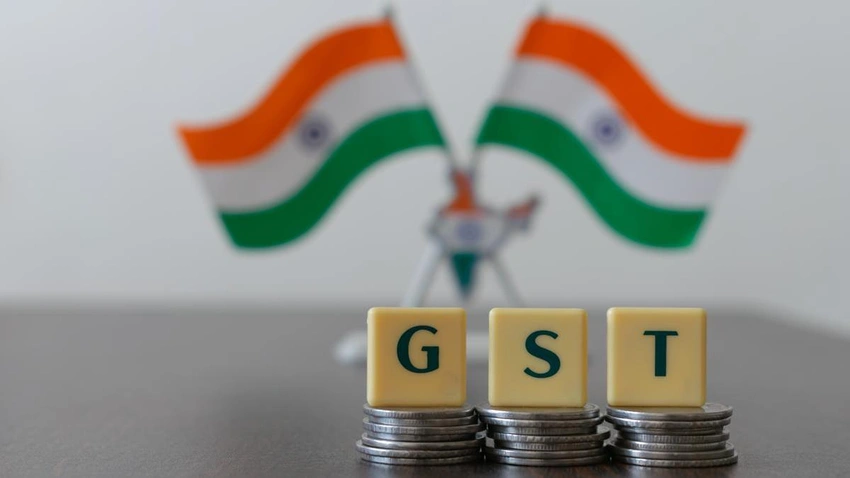
India's Goods and Services Tax (GST) collections have once again demonstrated robust growth, crossing the significant ₹2 lakh crore mark in September. Government data reveals a healthy 14.7% year-on-year increase, bringing the total collections to ₹2.04 lakh crore for the month. This impressive performance is driven by strong contributions from both domestic transactions and imports.
Revenue generated from domestic transactions saw a solid 10.1% increase, reaching ₹1.38 lakh crore, up from ₹1.25 lakh crore in September of the previous year. Even more striking was the surge in GST revenue from imports, which climbed by a substantial 25.9% year-on-year to ₹65,525 crore. The Integrated GST (IGST) collections also rose to ₹1.20 lakh crore during September.
Central GST collections stood at ₹37,762 crore, and State GST collections at ₹45,363 crore. Interestingly, total GST refunds saw a slight decline of 3% compared to the previous year, totaling ₹27,001 crore. With refunds taken into account, net GST collections actually grew even faster than gross collections, rising 18.1% year-on-year to ₹1.77 lakh crore.
This indicates a more efficient collection and disbursement mechanism.
For the first six months of the financial year (April-September), gross GST collections increased by 11.6% to ₹12.46 lakh crore, reflecting a consistent positive trend. Several states played a significant role in this growth.
Maharashtra led the pack with GST revenue of ₹29,986 crore, a 15% increase. Karnataka followed with a 16% rise to ₹13,884 crore, while Gujarat reported a 17% increase to ₹12,222 crore. Uttar Pradesh and Telangana both recorded an impressive 18% growth in their GST revenues.
Experts are keenly observing these figures. Abhishek Jain, indirect tax head & partner at KPMG, noted the encouraging growth despite global challenges but emphasized the need to examine the sharp rise in import GST. He suggested analyzing whether this indicates stronger domestic manufacturing or if further policy pushes, like the PLI scheme, are still needed.
Manoj Mishra, Partner and Tax Controversy Management Leader at Grant Thornton Bharat, echoed this sentiment, highlighting that while the ₹2.04 lakh crore figure is positive, the strong import component needs careful interpretation. He cautioned against equating it entirely with stronger domestic consumption, especially given factors like elevated energy prices and geopolitical disruptions.
The upcoming 57th GST Council meeting is expected to be crucial in discussing potential process reforms.
