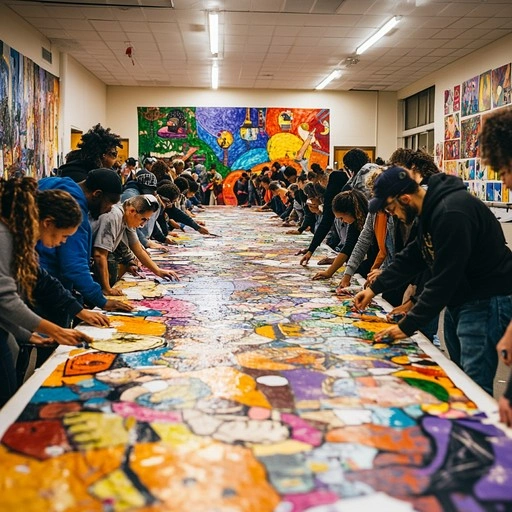
Work Ethic's End? Automation, UBI, & The Search for Meaning

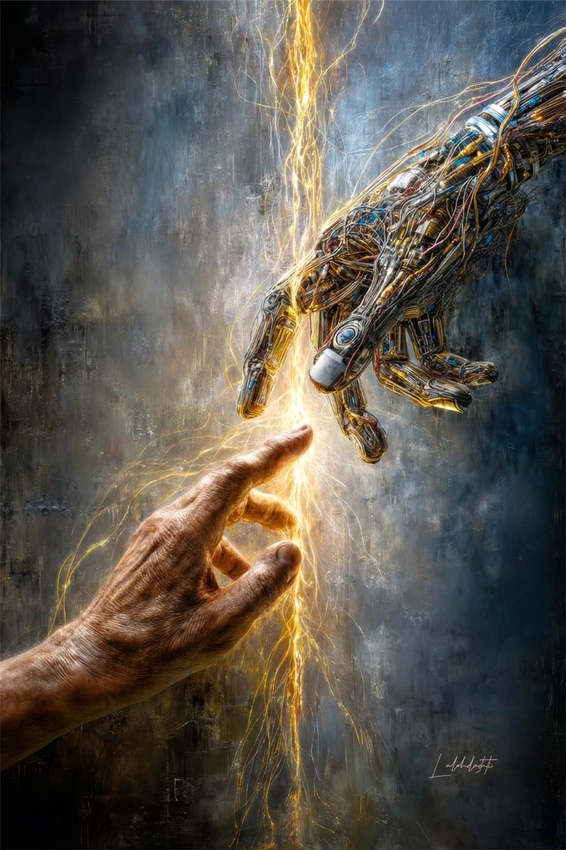
Work Ethic's End? Automation, UBI, & The Search for Meaning
Max Weber linked work to identity. What happens when automation and UBI decouple labor from survival? We explore the philosophical redefinition of a meaningful life in a post-work world.
In 1905, Max Weber presented a compelling thesis: the “Protestant Work Ethic” was a pivotal engine for modern capitalism. He argued that hard work, frugality, and the reinvestment of profits were seen as moral virtues, signs of God's favor, turning economic activity into a spiritual quest. This ethos embedded labor deep into our sense of self-worth and societal status.
Fast forward to today, and we stand at a fascinating precipice where automation and the burgeoning discussion around Universal Basic Income (UBI) threaten to decouple labor from survival itself.
What happens to human identity when the historical bedrock of 'meaningful work' begins to crumble?
The Automation Paradox
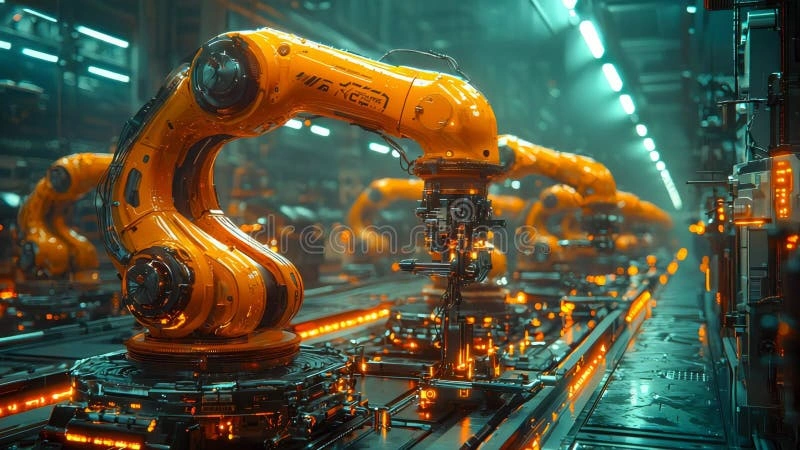
Automation isn't just about robots on assembly lines anymore.
Artificial intelligence is reshaping cognitive tasks, from customer service to complex data analysis, challenging even highly skilled professions.
This exponential rise in technological capability means that the traditional model of a 40-hour work week, necessary for economic survival, is becoming increasingly tenuous for a growing segment of the population.
The fear isn't just job displacement; it's a profound cultural displacement. If our value system is so intertwined with our productive output, what does it mean to be 'unneeded' by the economic machine?
UBI: A Bridge or a Chasm?
Universal Basic Income proposes a regular, unconditional payment sufficient to cover basic needs. Proponents argue it's a necessary buffer against automation's impact, ensuring human dignity and freeing individuals to pursue education, caregiving, or creative endeavors. Critics, however, often invoke the specter of the Protestant Work Ethic, fearing widespread idleness and a loss of purpose.
They question whether society can thrive if a significant portion of its members are not 'working' in the traditional sense. This debate highlights a core philosophical tension: is labor inherently good, or merely a means to an end?

The Identity Crisis: What Now?
If the daily grind is no longer a prerequisite for survival, how do we construct our identities? For generations, our occupation has been a primary answer to 'who are you?' It dictates our social circles, daily routines, and often our aspirations. Without this anchor, will we face an existential void, or will we finally be free to explore a richer, more authentic self?
The challenge lies in redefining what constitutes 'contribution' to society. Is it only paid labor, or can it encompass artistic expression, community building, scientific inquiry, or simply being a more engaged citizen and human being? As one might ponder, “If survival doesn't demand our labor, what then defines our worth?”

Forging a New Meaning
This isn't an argument for perpetual leisure, but a call for a profound philosophical re-evaluation.
A future with less mandatory labor could unlock unprecedented human potential. Imagine societies where creativity, learning, personal growth, and community engagement are paramount.
Education systems would need to shift from job training to fostering critical thinking, emotional intelligence, and genuine curiosity. Social status might derive from impact, innovation, or compassion, rather than income bracket or job title. Embracing this future requires confronting deeply ingrained beliefs about work and worth, and consciously building new narratives for a meaningful life in a post-scarcity, post-labor economy.