Nine Tamil Nadu officers sentenced to death over custodial Covid lockdown killings

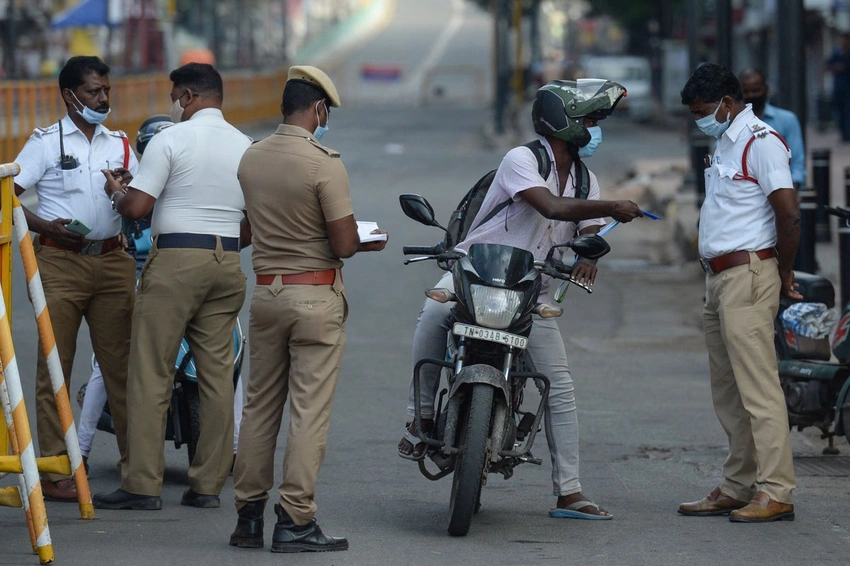
Nine Tamil Nadu officers sentenced to death over custodial Covid lockdown killings
A court hands down death penalties to nine police officers for the custodial deaths of a father and son during the Covid lockdown, igniting debate on police accountability in India.
A court in Tamil Nadu handed down the death penalty to nine police officers for the custodial deaths of a father and his son during the Covid-19 lockdown in Sattankulam. Jayaraj, 58, a trader, and his son Benicks, 31, died within days of being detained on an initially alleged violation of lockdown norms, a charge investigators later said was unfounded.
The prosecution said the men were stripped and tortured through the night at the Sathankulam police station, often in front of each other. "Where there was power, there should be responsibility," the judge said, adding, "They attacked unarmed people. They should not be forgiven." The court noted the violence was deliberate, not incidental, and carried out as retribution.
The Central Bureau of Investigation took over the case amid public pressure and found that the officers inflicted injuries severe enough to cause death, with attempts to cover up the crime, including forcing the victims to clean their own blood and destroying material evidence.
The verdict placed the case in the 'rarest of the rare' category, a legal threshold reserved for the most extreme crimes, reflecting the court's view of the gravity of the acts.
The ruling has sparked renewed national debate about police brutality and accountability, with rights groups and families pressing for sustained reforms in policing and criminal justice processes.
While some view the decision as a crucial step toward accountability, others caution that the use of the death penalty in state violence remains controversial and requires broader safeguards. As the case moves forward, activists say this verdict should be a turning point that leads to training improvements, independent oversight, and stronger protections for detainees.
